A Verse From Compton
As third spaces disappear, Los Angeles teens travel across the city to find places where they can create and belong.
By Robert Hill, JohVonne Roberts, Lauren Ceballos and Ren Franklin
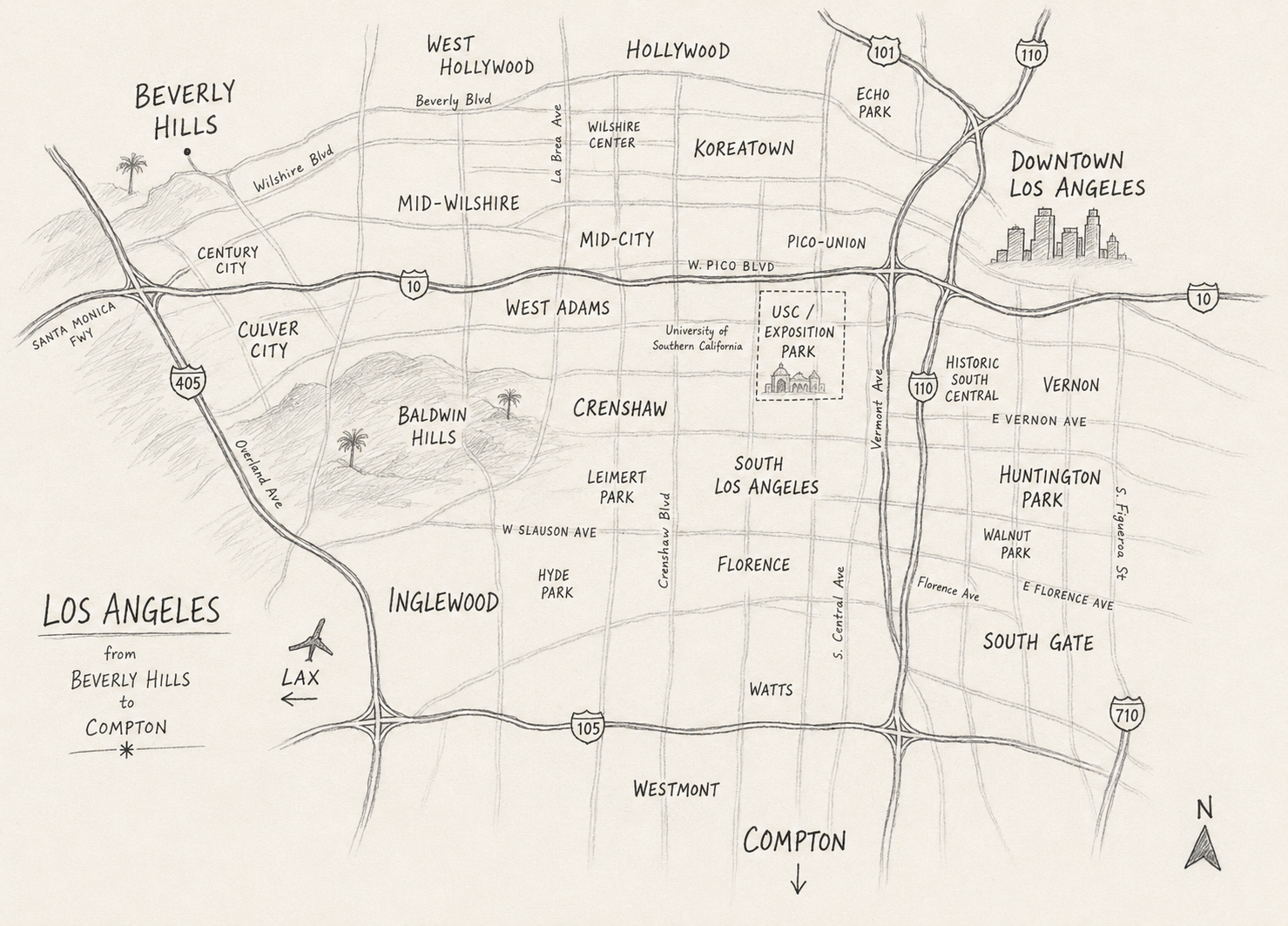
Two hours. 18 miles. Two trains. One bus. That's what it takes for foster youth Paige Lecole Thibodeaux to find her third space.
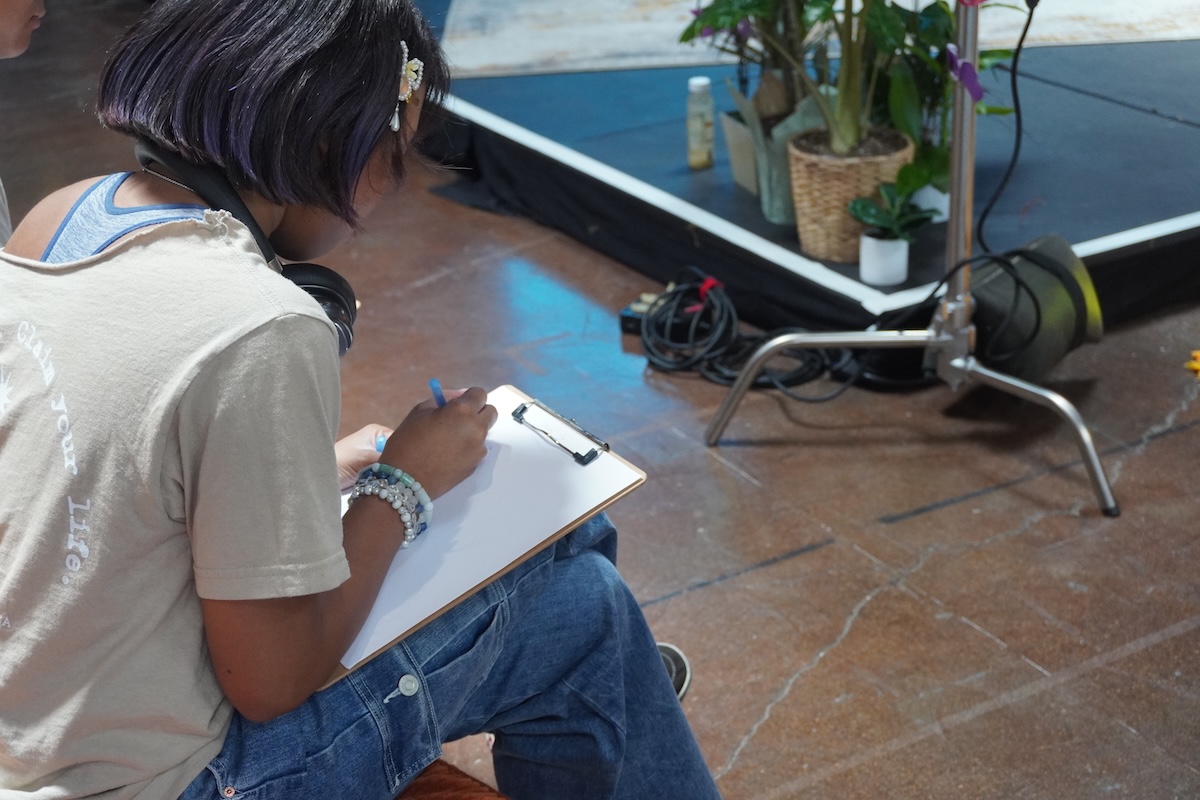
Before she can write a verse, she has to follow another kind of line, one traced by Metro rails, bus routes and her scooter from Compton to Koreatown. She wakes up at 7 a.m. to make the nearly two-hour trip. Some days she takes the bus. Other days, she rides her scooter until the battery runs low before finishing the rest of the trip on public transit.
“It sucks at the end of the day to have to commute, but I think it’s worth it. I’ve found a space where I feel accepted. It’s brought me so much joy, and I found so many friends and so many people throughout this journey,” Thibodeaux said. “So yeah, it’s worth it.”

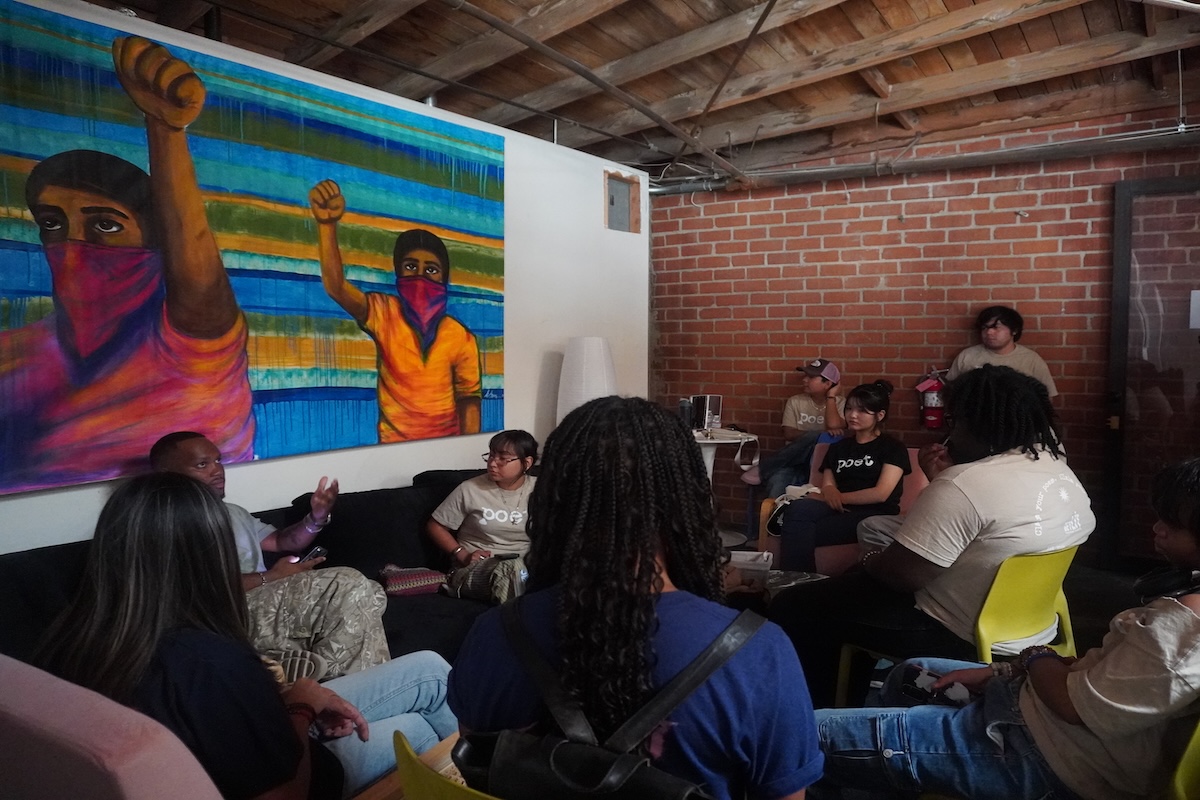
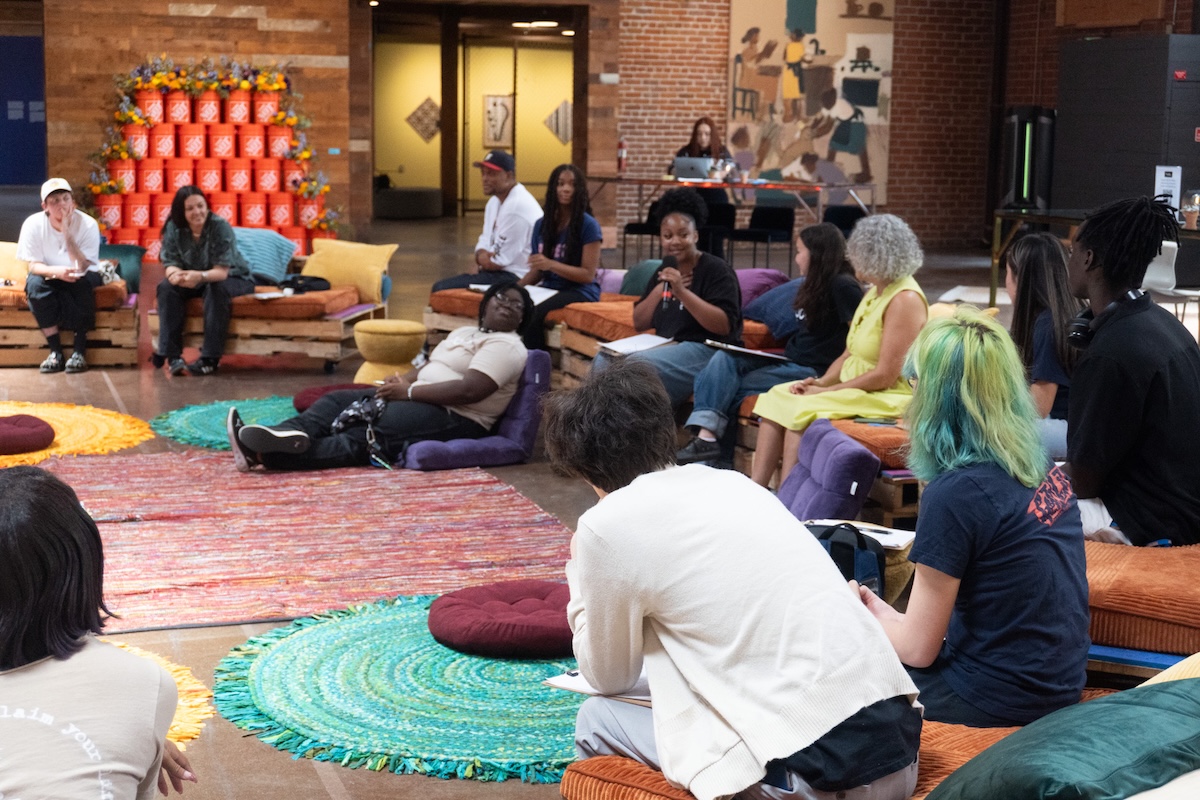
For Thibodeaux, the two-hour commute reflects a larger challenge facing many young people across Los Angeles. As traditional third spaces — places outside of home and school where people gather, build community and find a sense of belonging — continue to disappear, spoken word organizations have become places where they can build community, express themselves and find a sense of belonging.
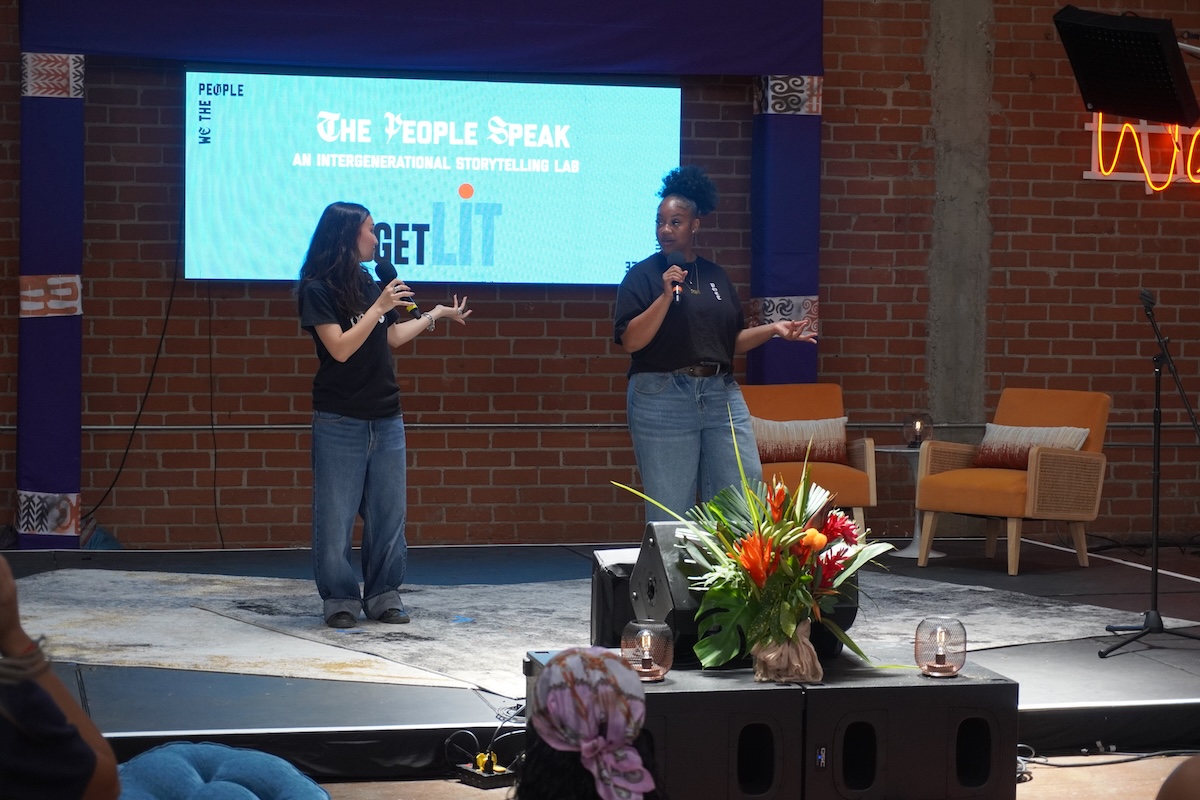
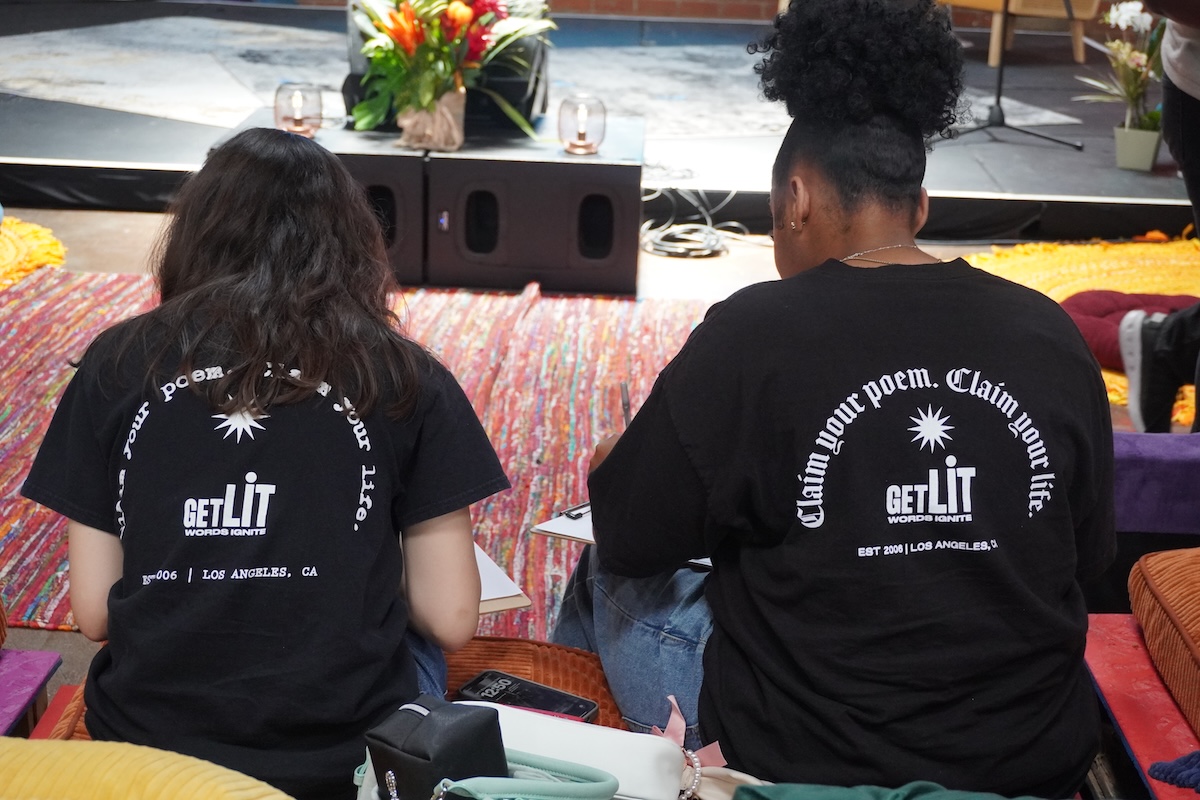
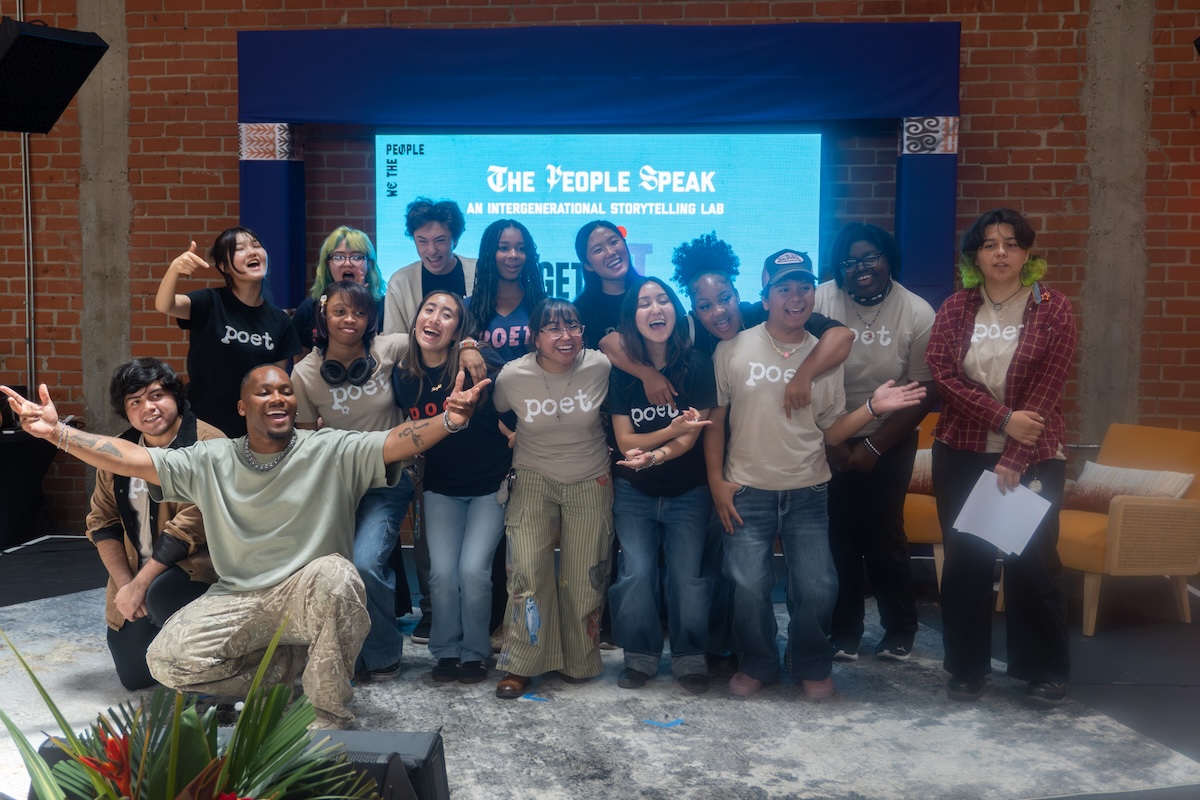
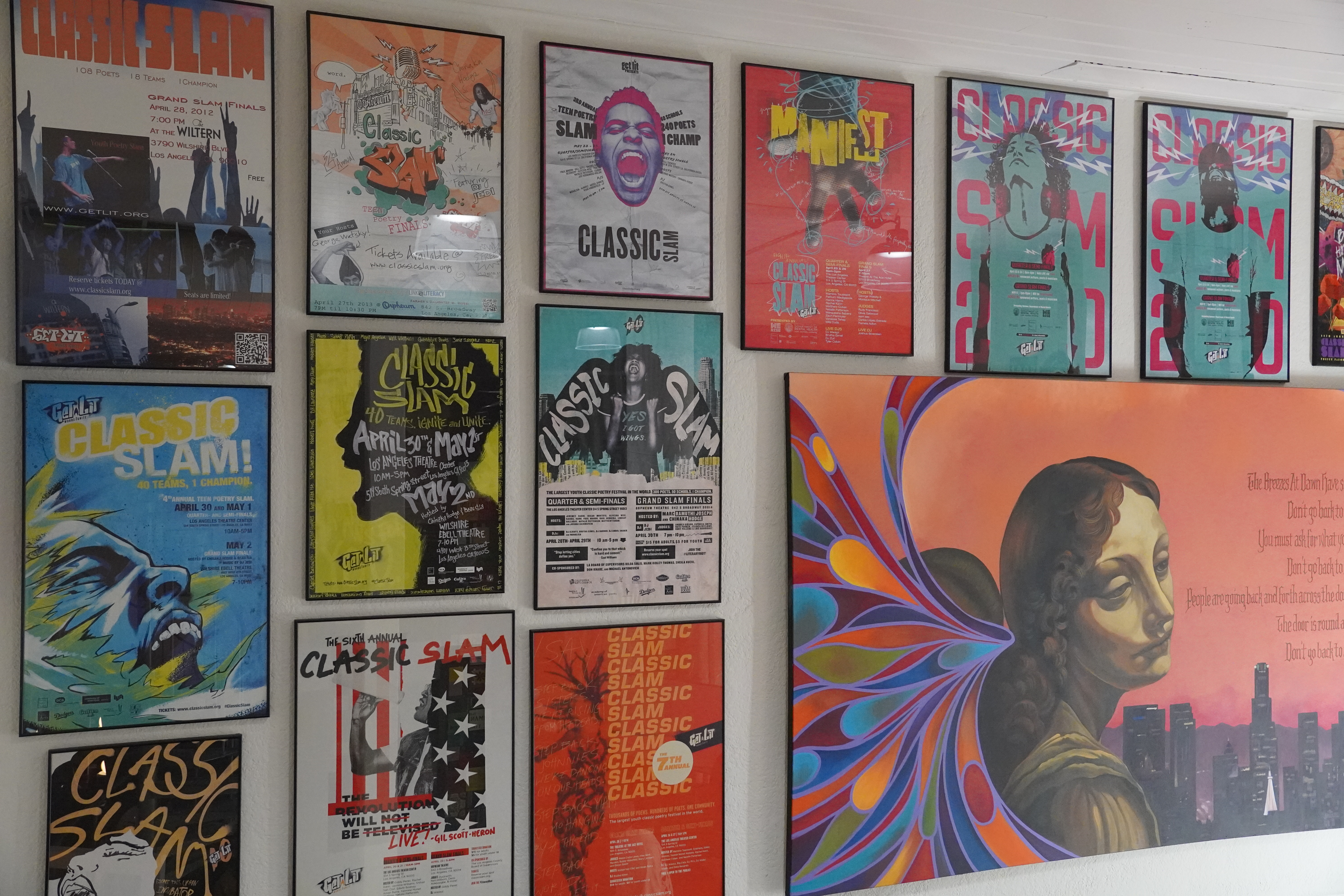
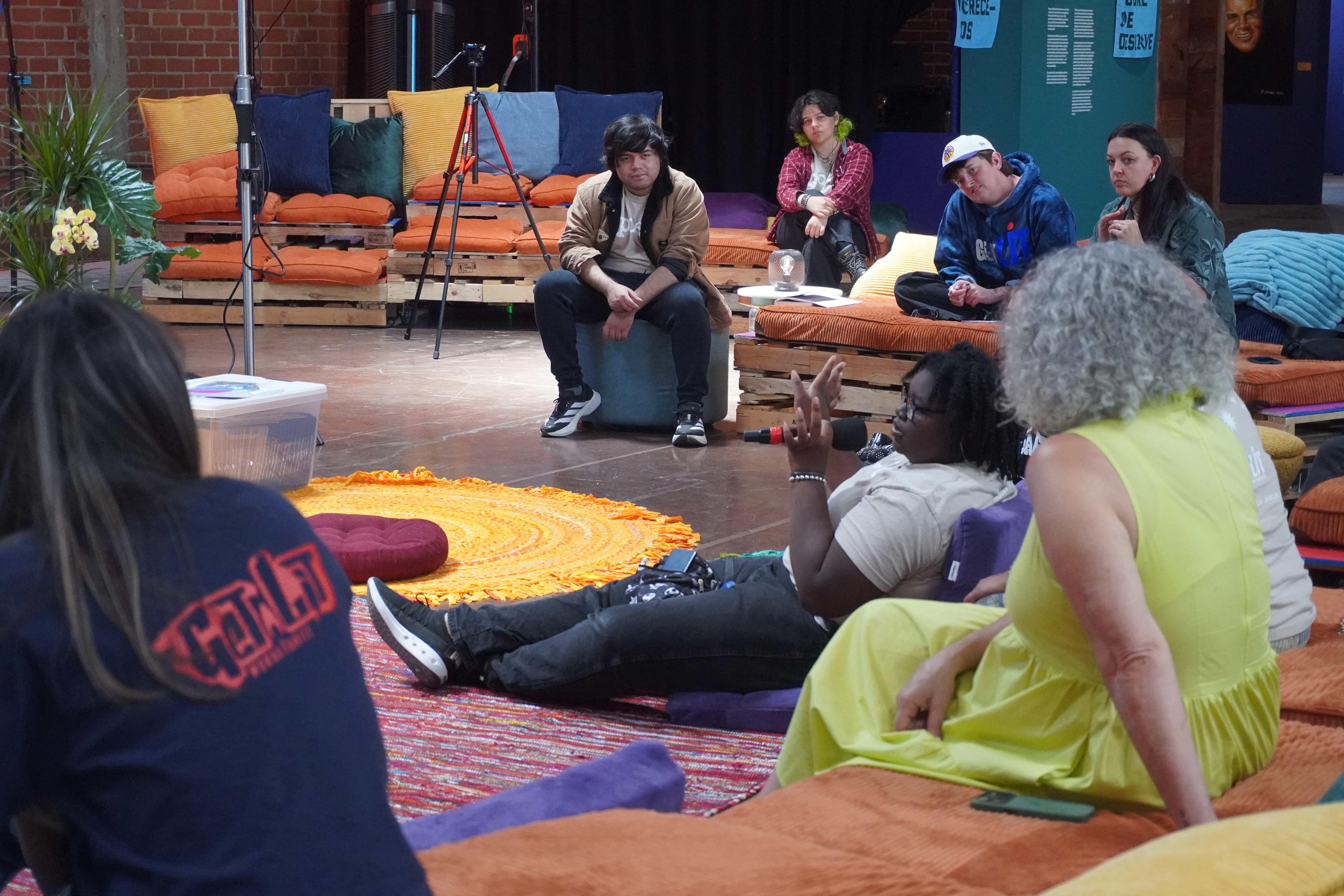
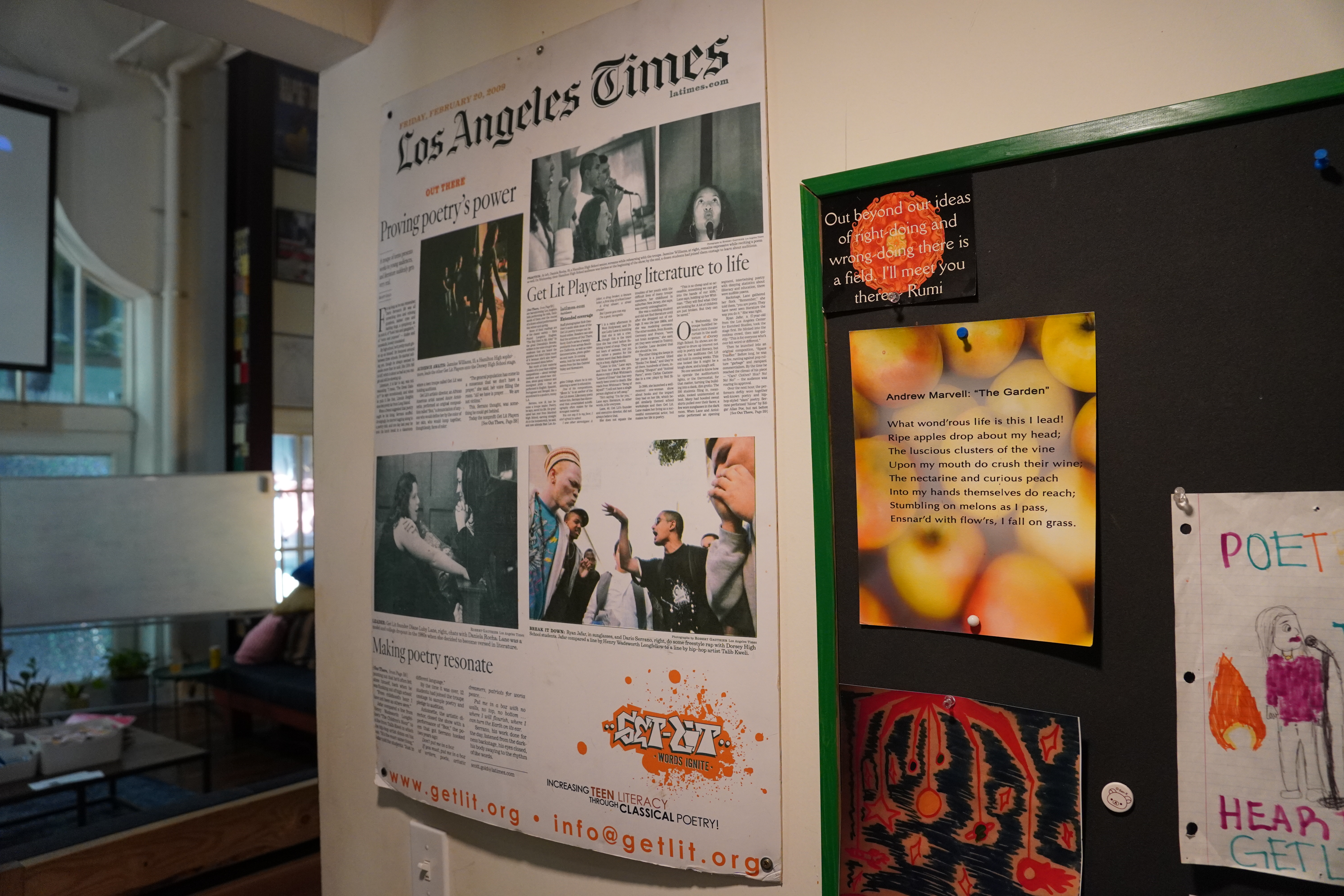
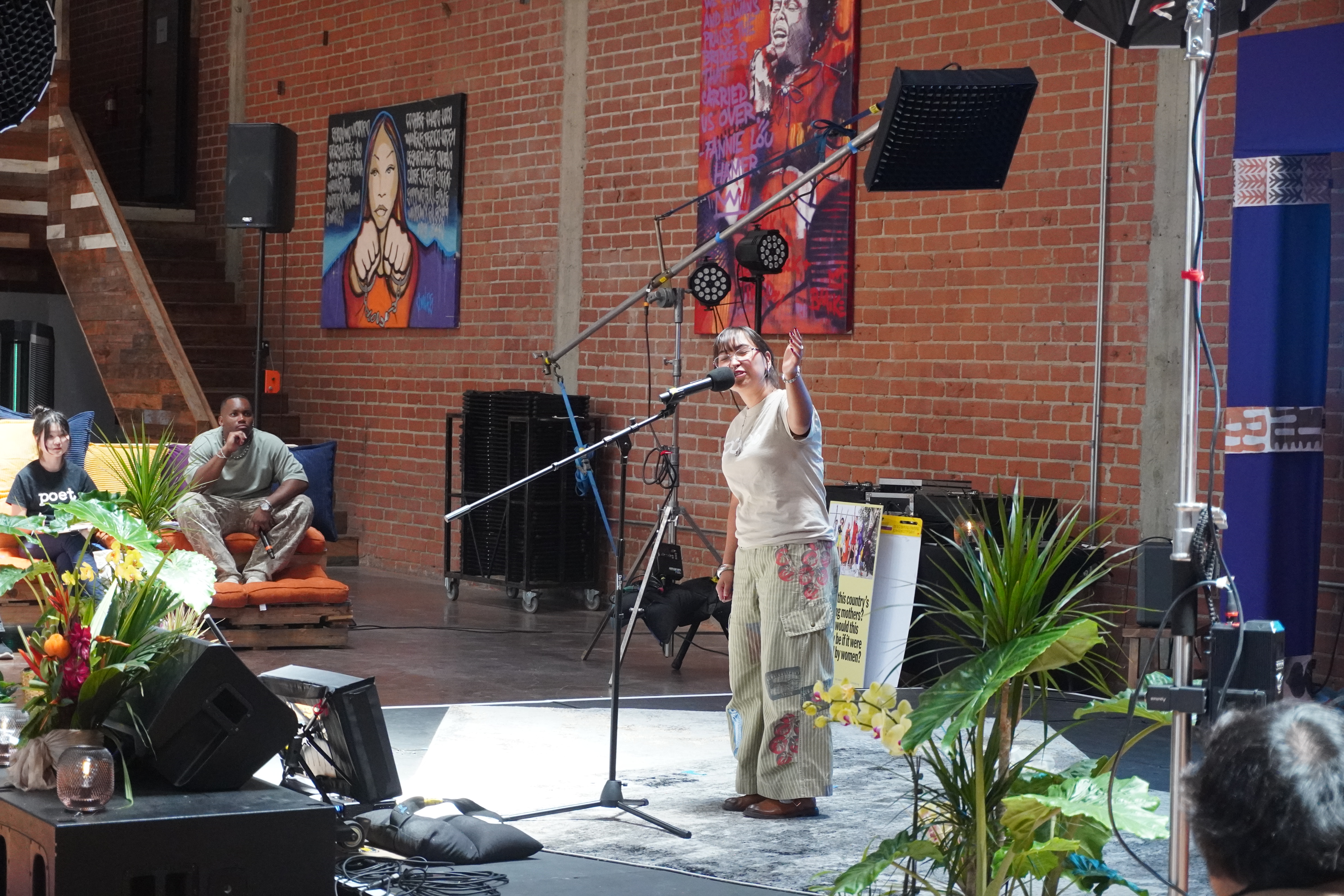
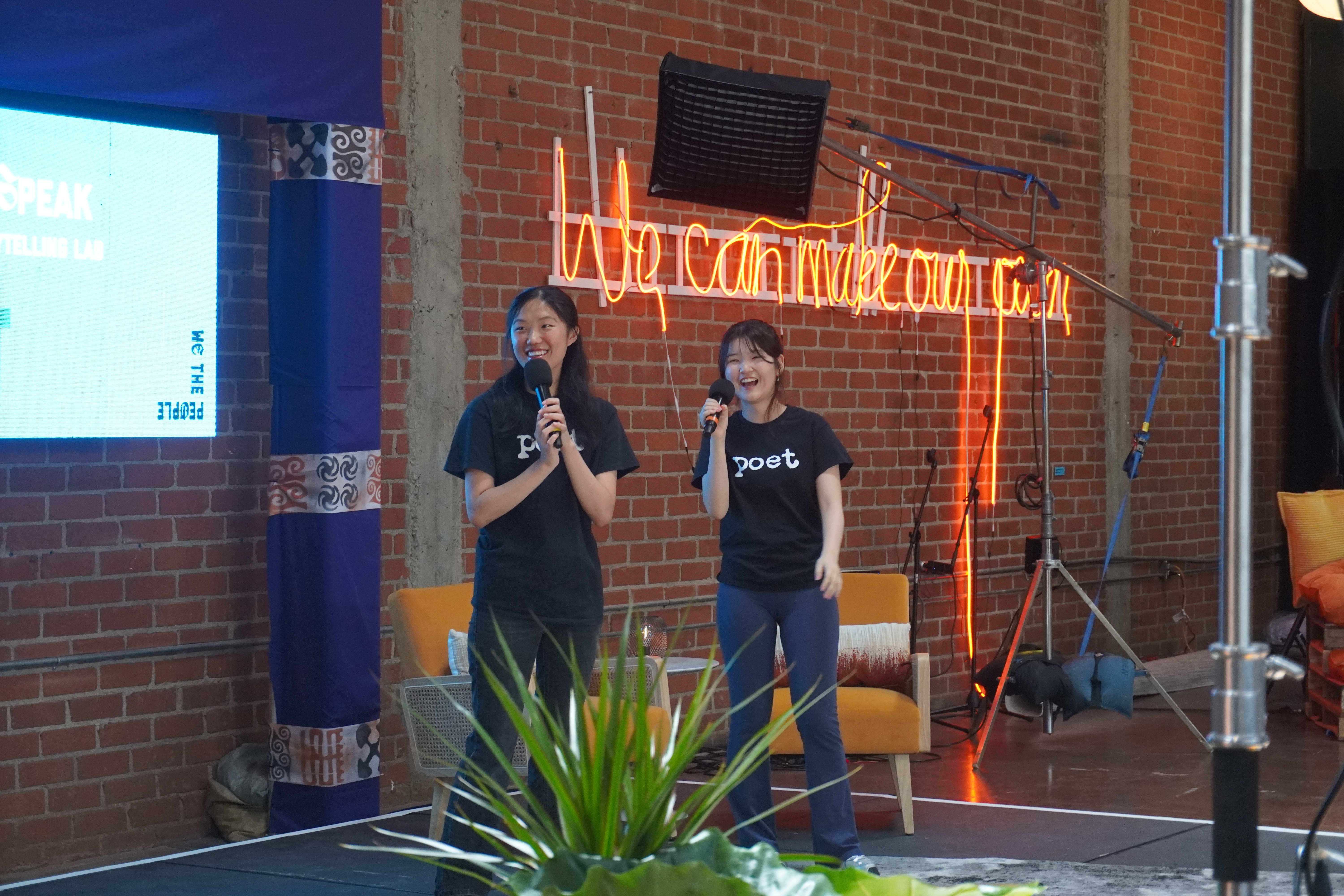
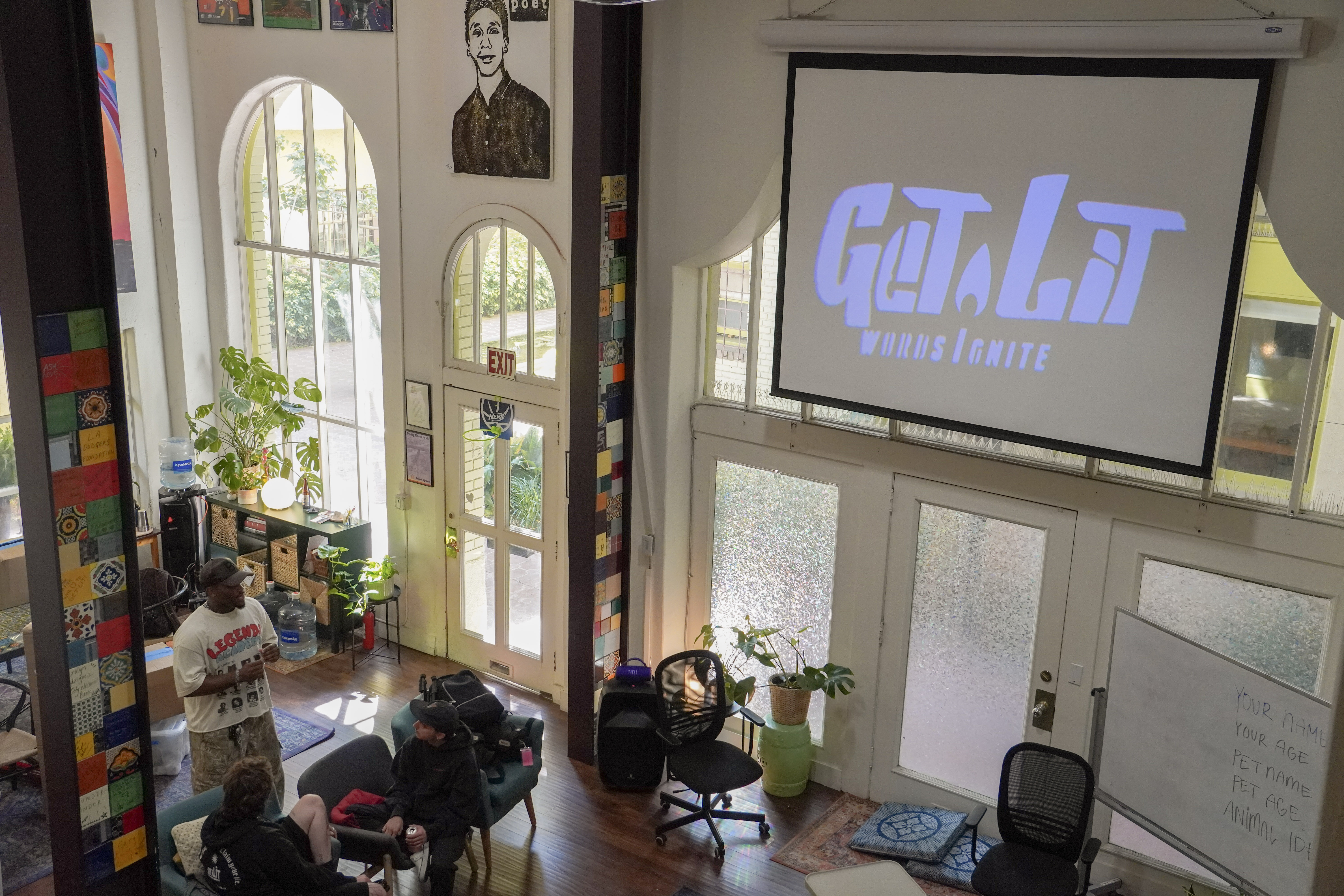
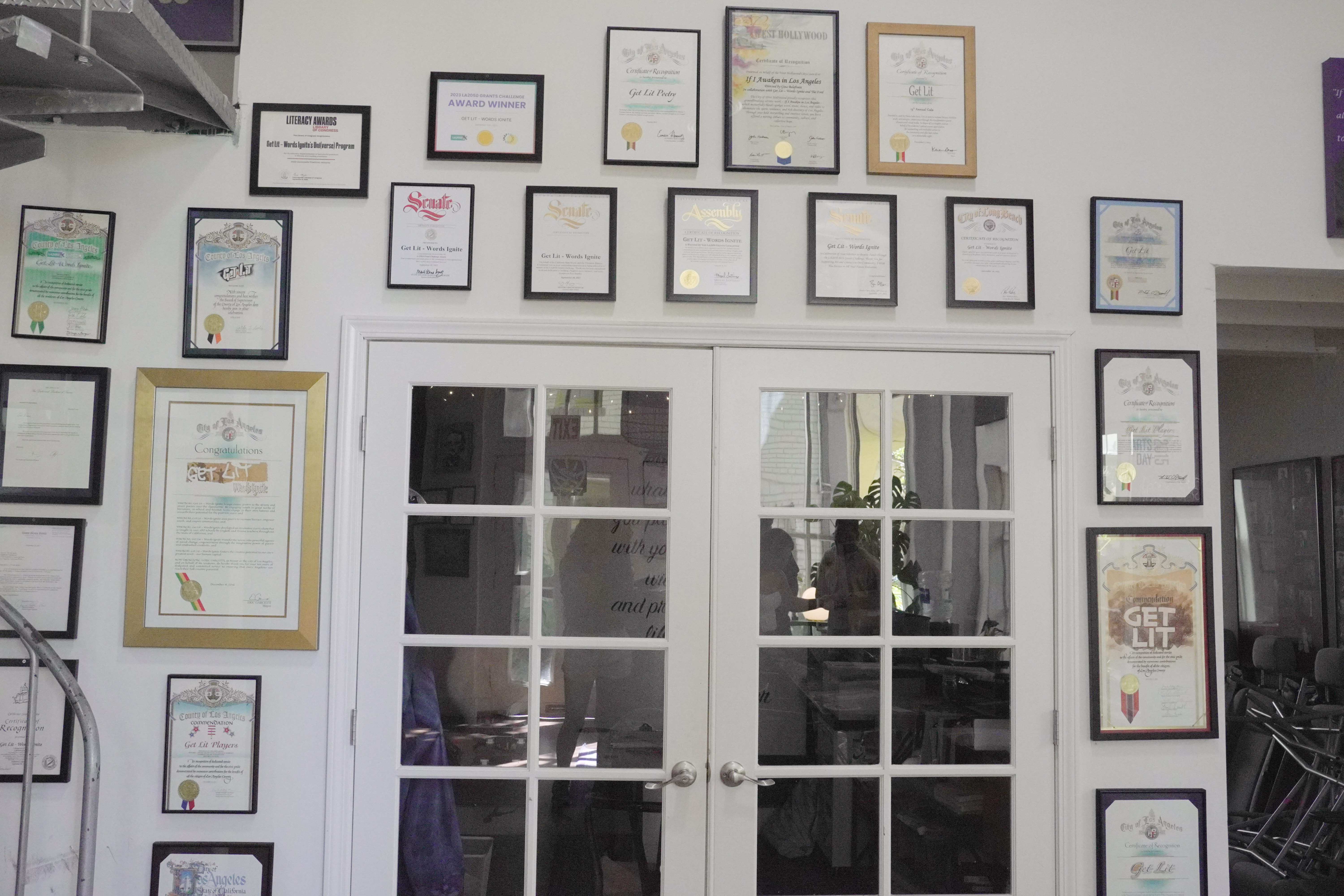
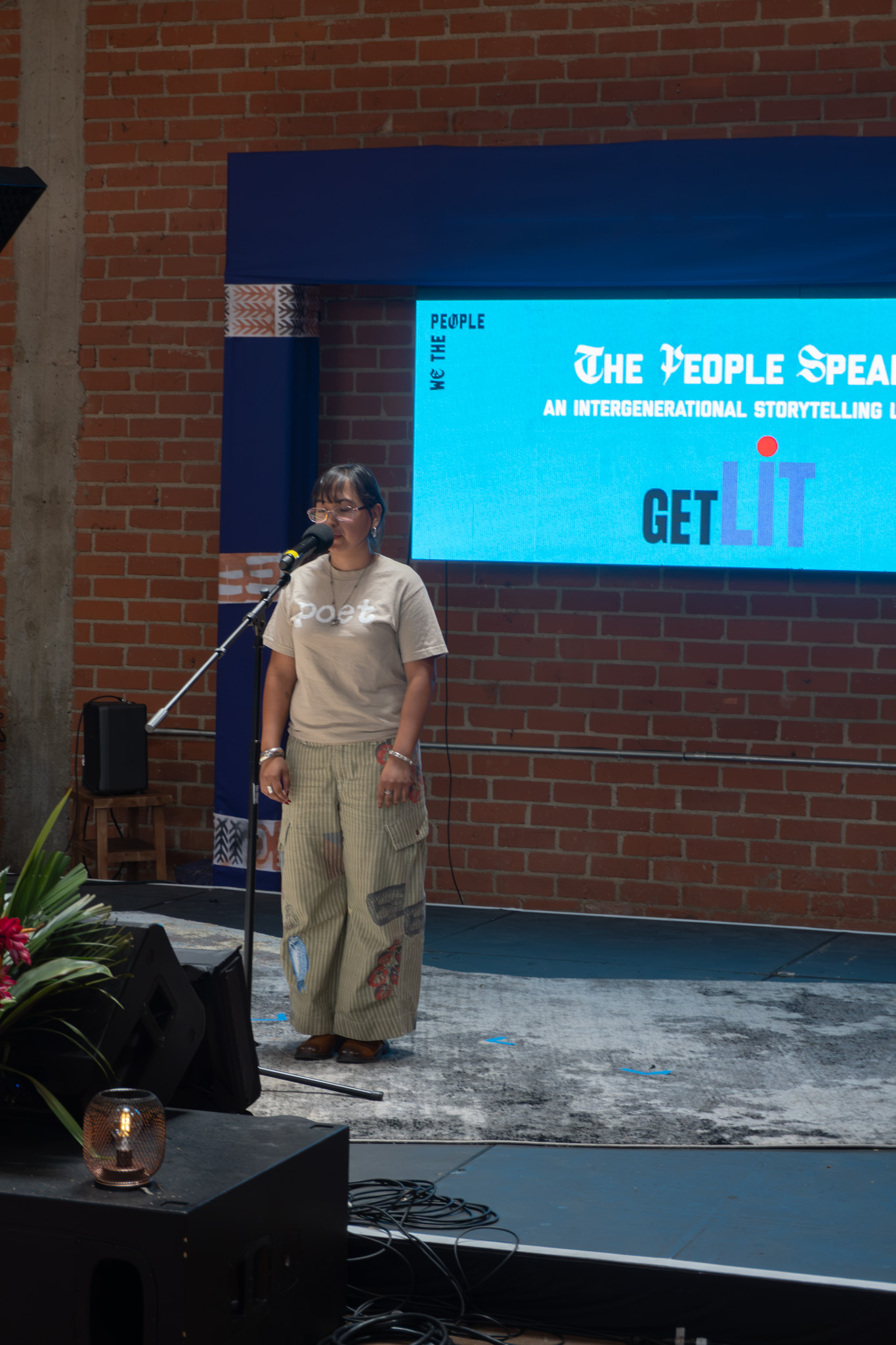
Thibodeaux’s destination is Get Lit. Founded in 2006, the Koreatown nonprofit uses poetry to help inner-city youth find and develop their voices through workshops, performances and in-school programming. It offers free community workshops, open mics and career labs, supported by state grant funding. Since its founding, the organization said it has served more than 100,000 students across Los Angeles.
Finding a Voice
Inside Get Lit’s workshops, the mission begins with four simple words:
"Write like you talk."
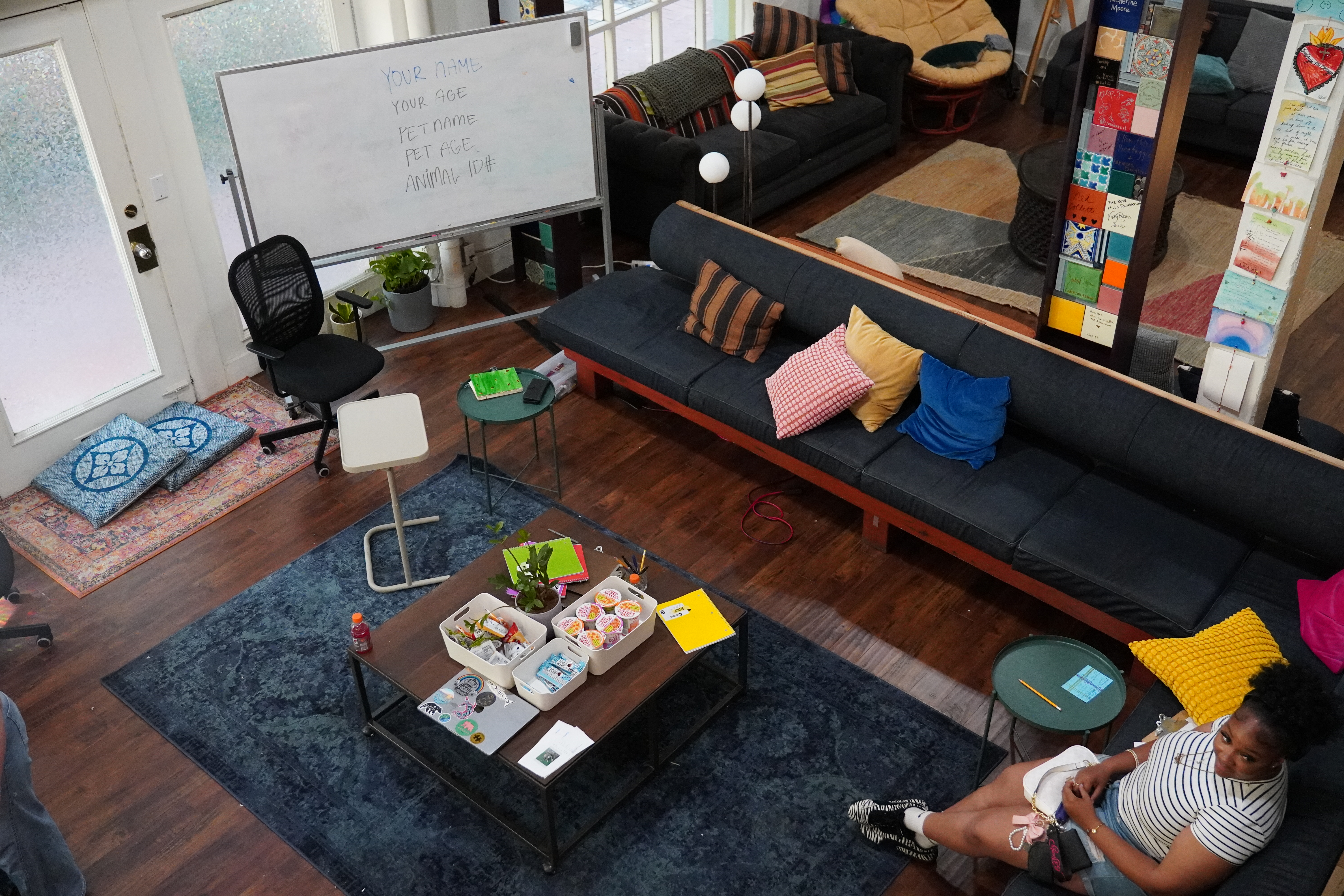
At the beginning of every practice, Jaziyyah “Blu” Higgins, Get Lit’s Head of Talent and Performance, writes the phrase on the whiteboard as a reminder that students aren’t there to imitate someone else’s voice, but to discover their own.
“I don’t want you to try to write a poem like me…We have those people already,” Higgins said. “Authentic writer’s voice is really just your voice.”
For students like Thibodeaux, finding Get Lit was a journey.