TWO Groups, ONE Culver City
How Run Clubs Are Fostering Community and Combating Loneliness Crisis
By Emilee Blakemore, Ashton Broden, Allegra Coleman, Isabella Lyons
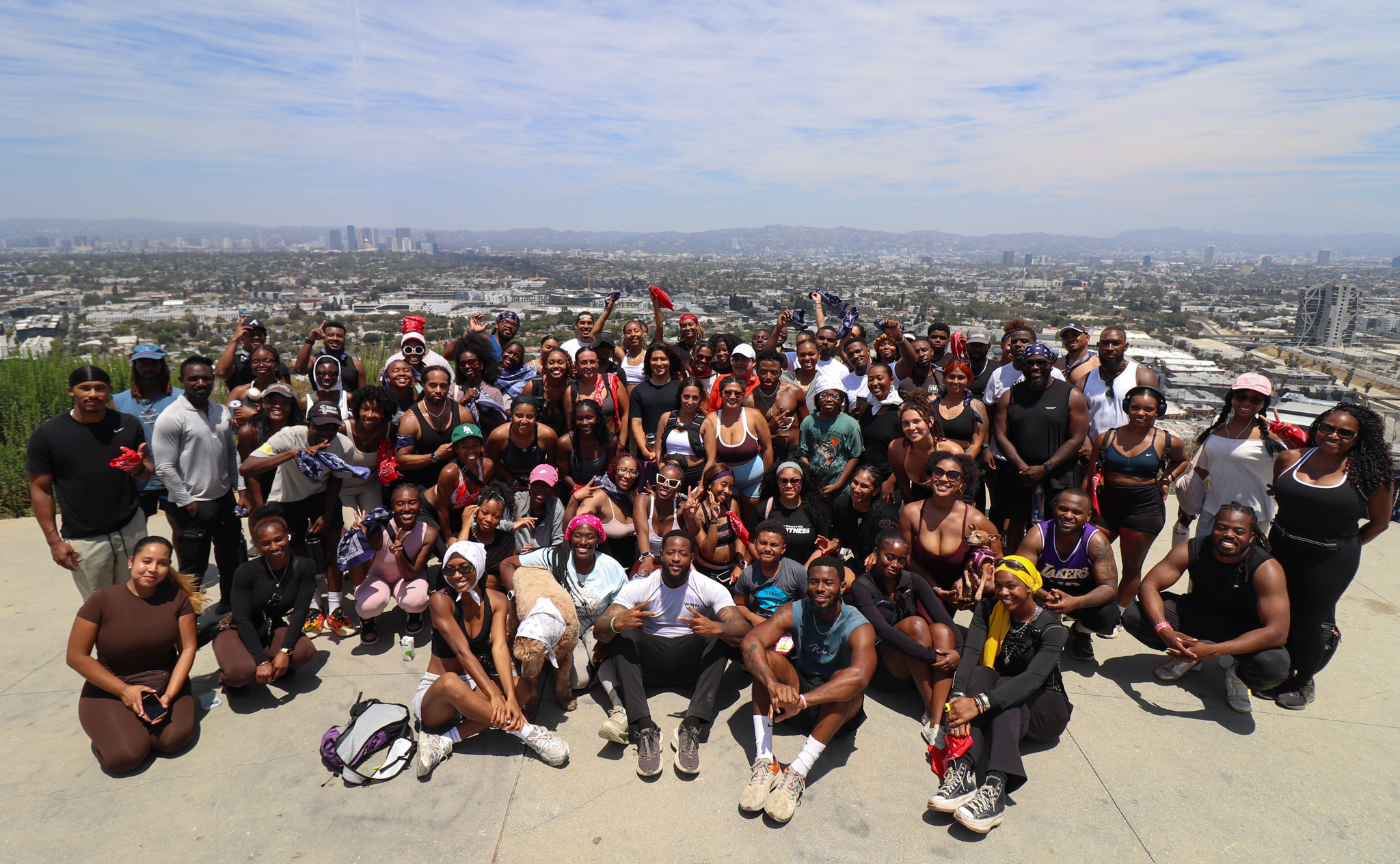
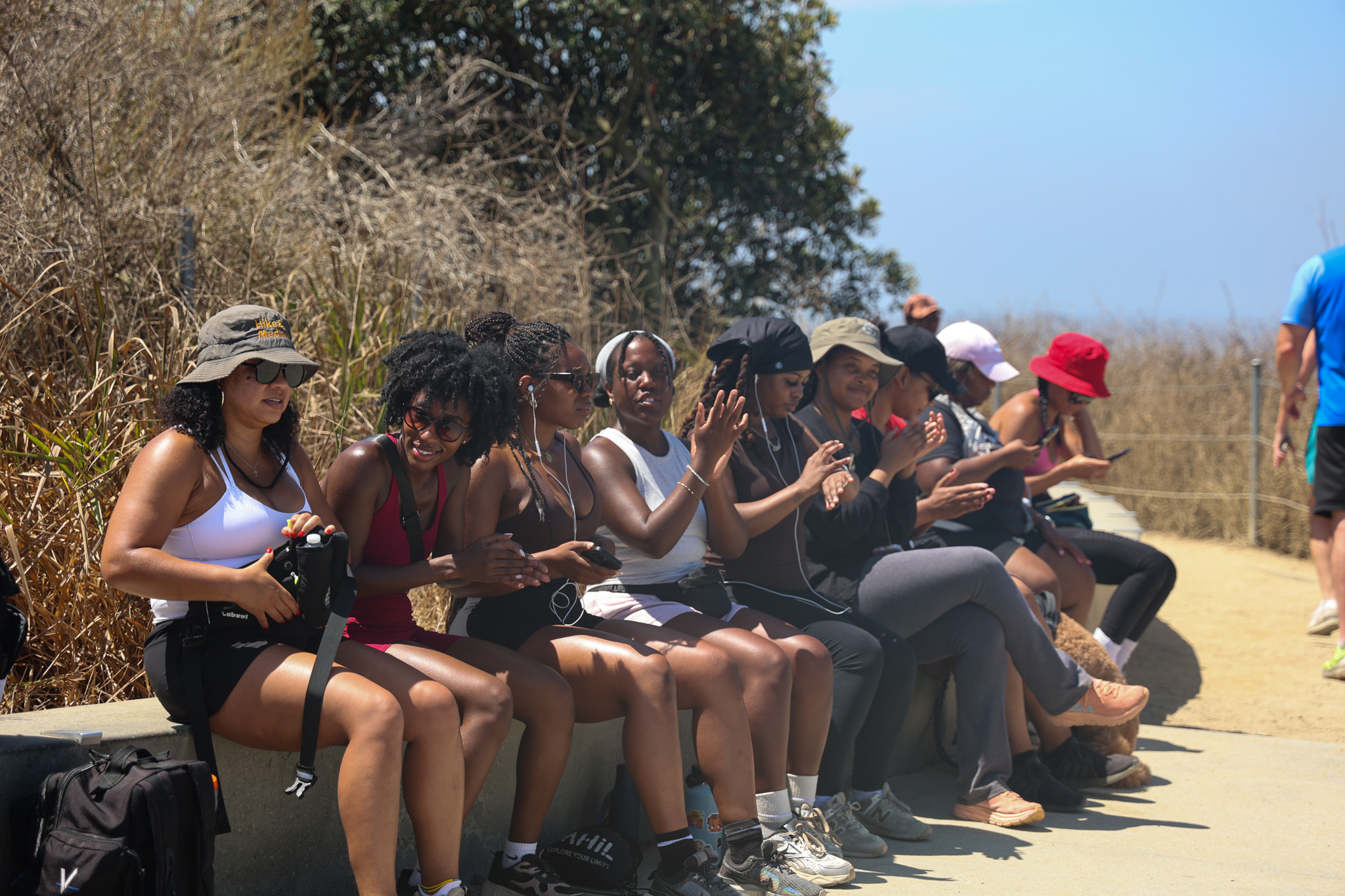
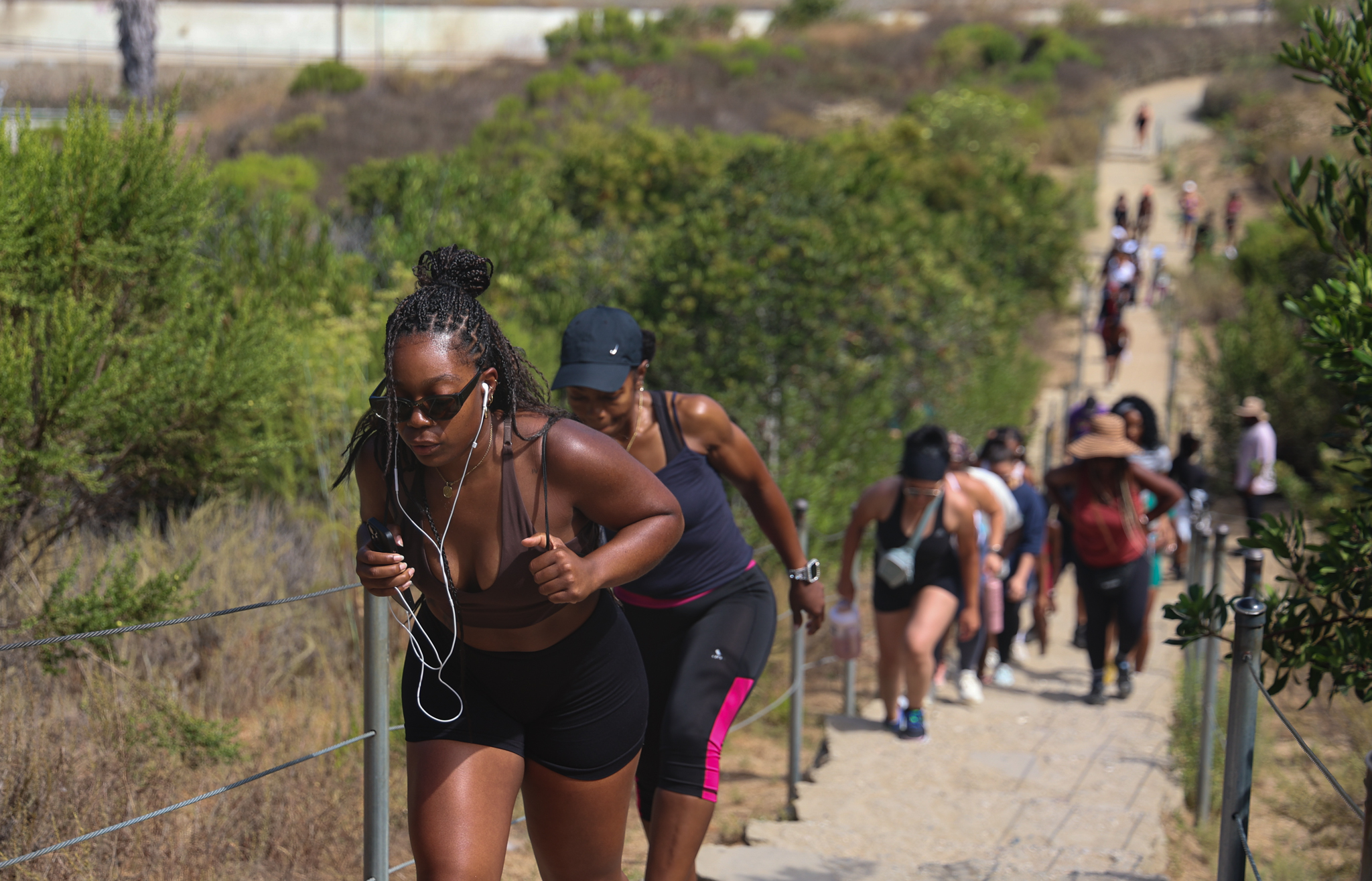
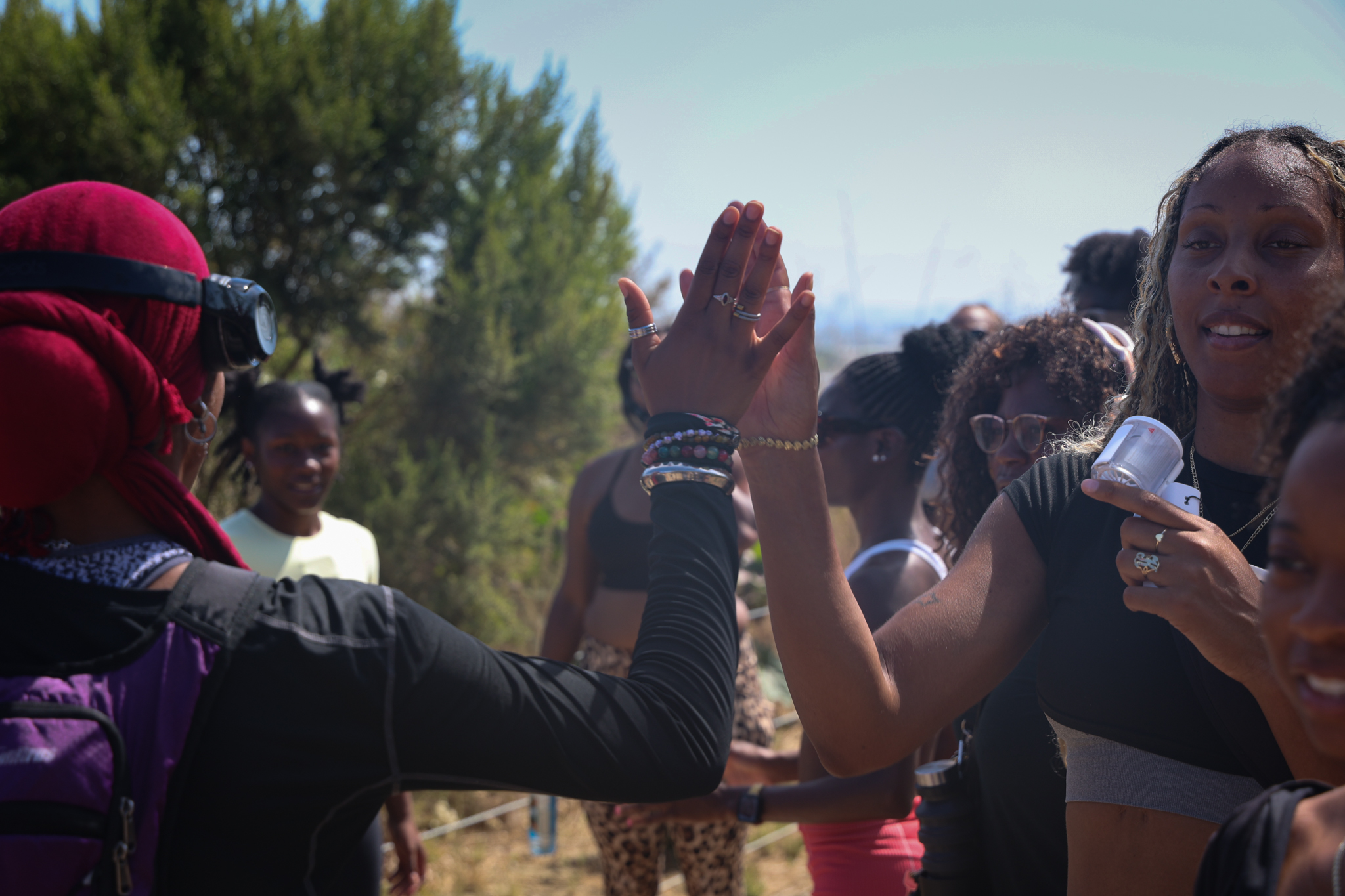
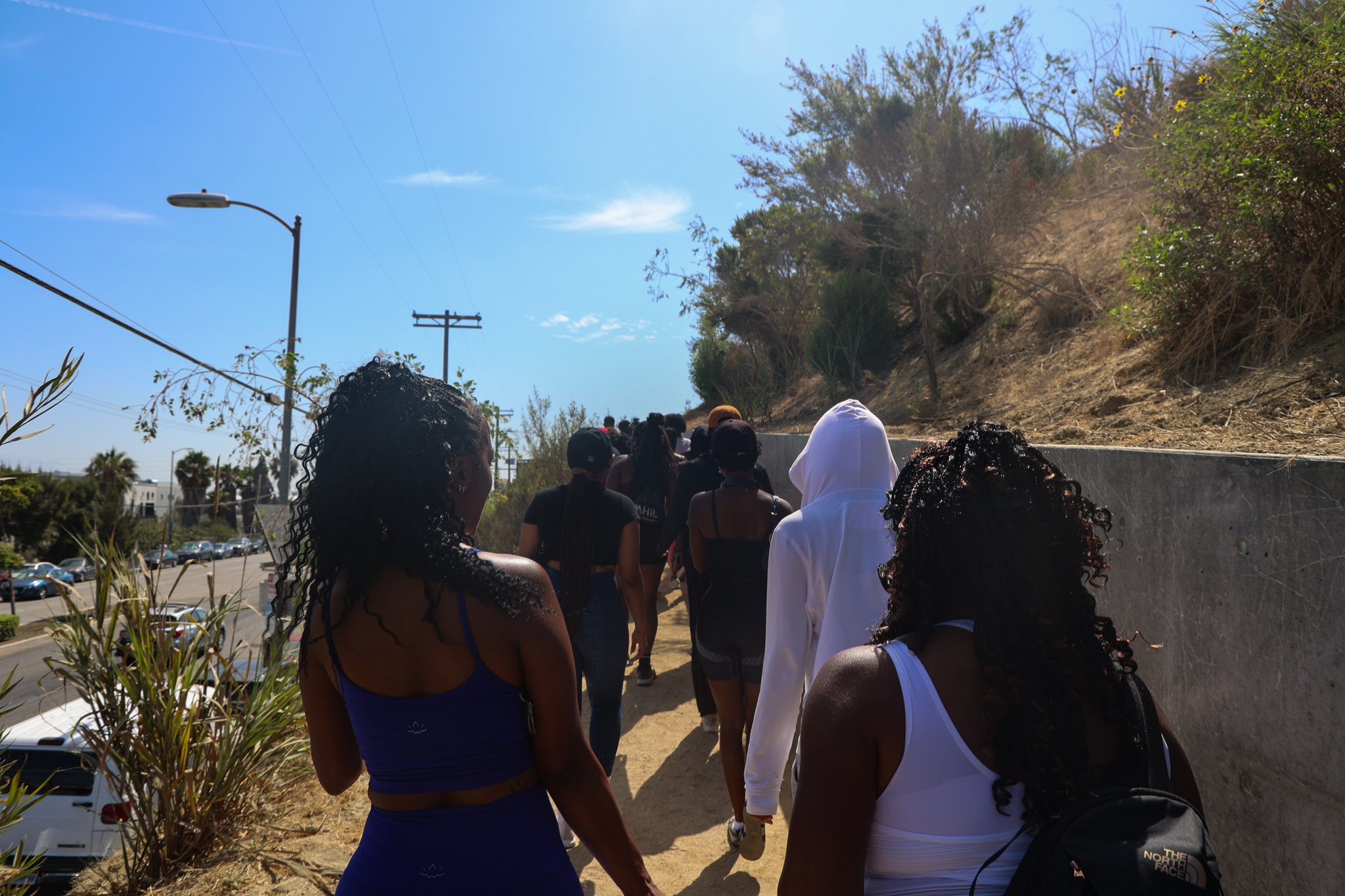
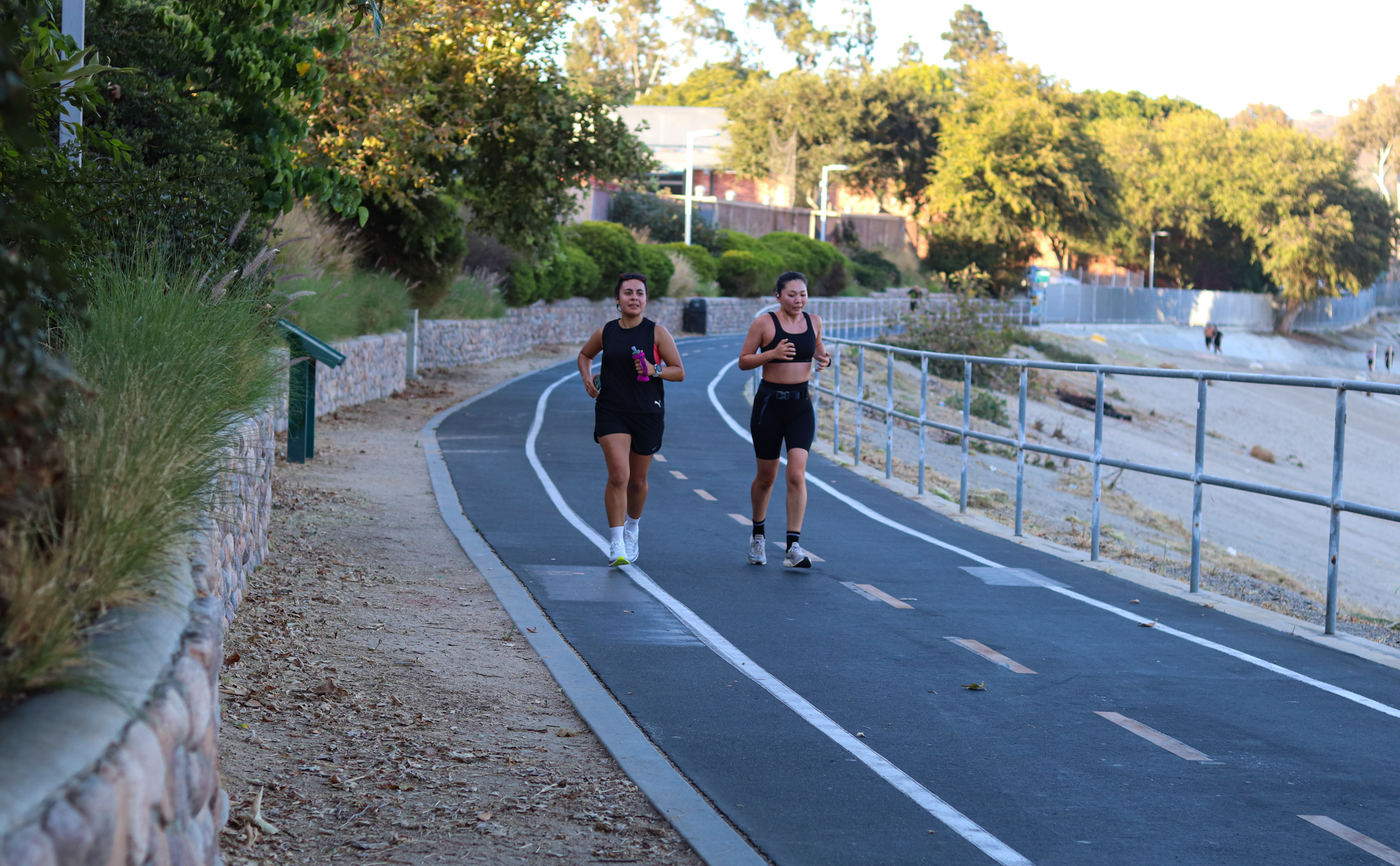
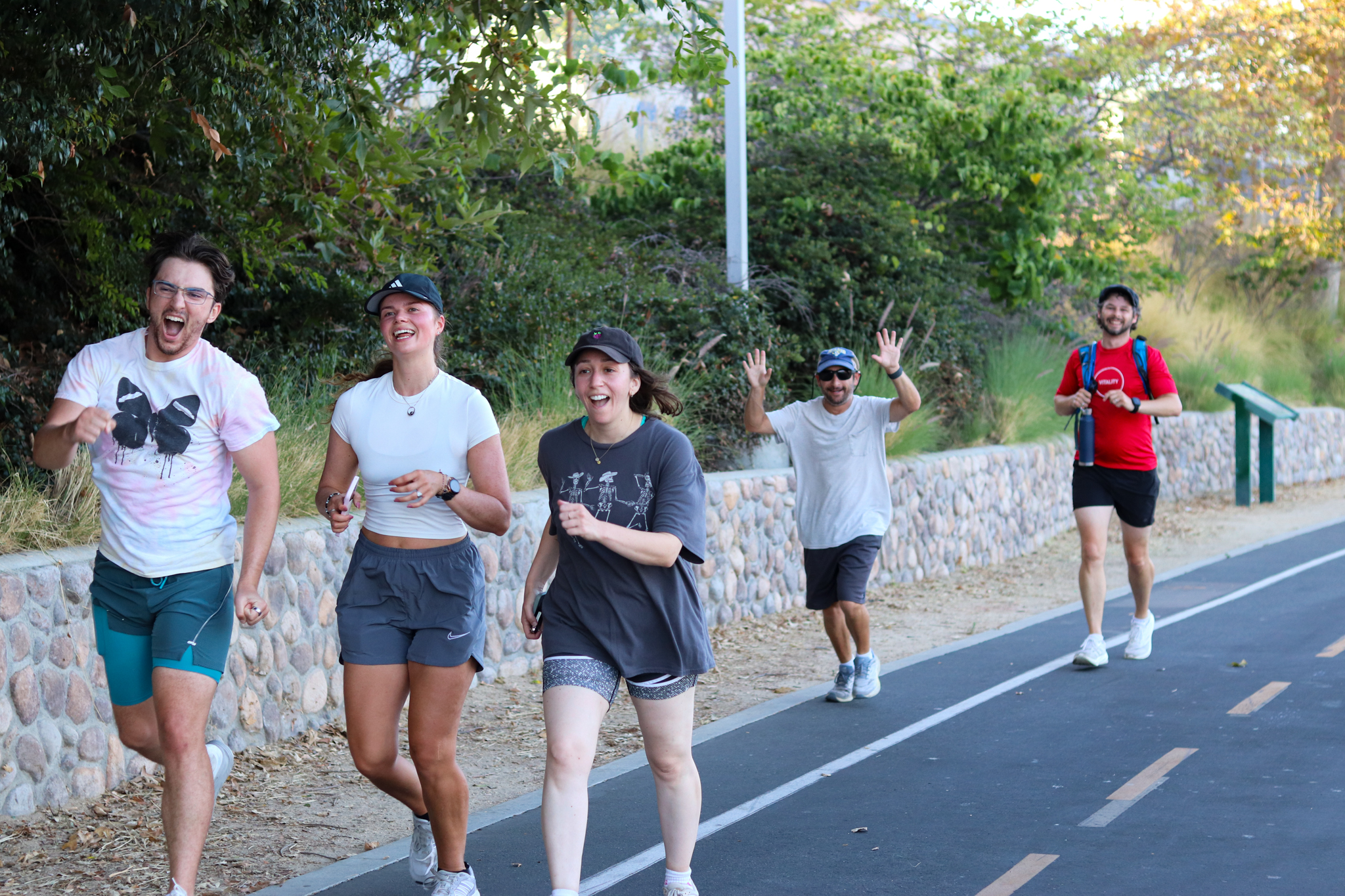
As the sun shines on a Saturday morning over the Culver City Stairs, a small crowd gathers at a sign that reads Baldwin Hills Scenic Overlook. Stretching their quads and tightening their laces, they engage in conversation. Some know each other by name, arrived with a friend, or even came alone. But by the end of the journey ahead, they become part of a family.
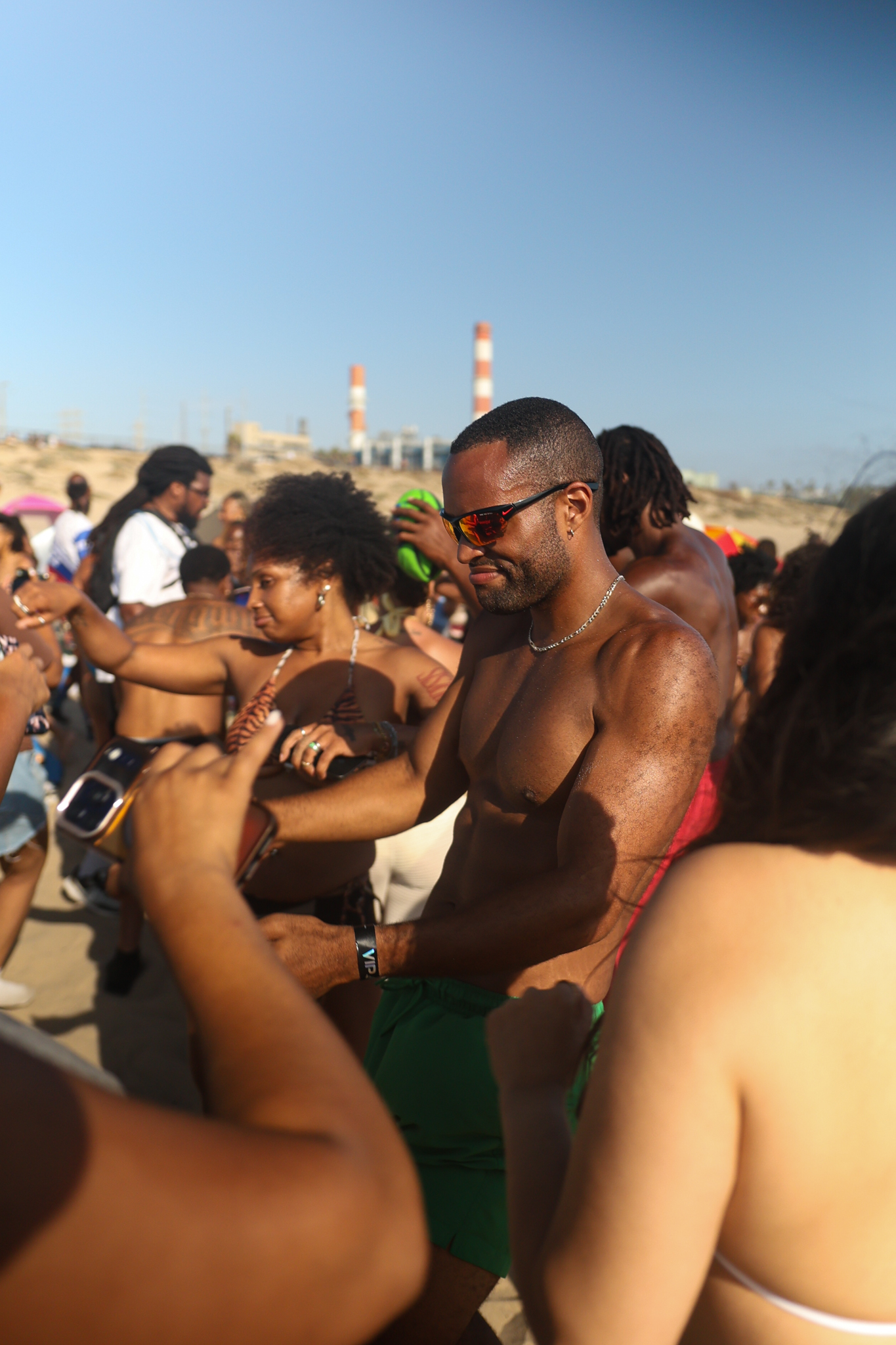
This is The Climb LA, one of hundreds of run clubs that have popped up across Los Angeles in recent years. The point of them isn’t to be the fastest in the bunch or to break new records but to chase something harder to measure: community.
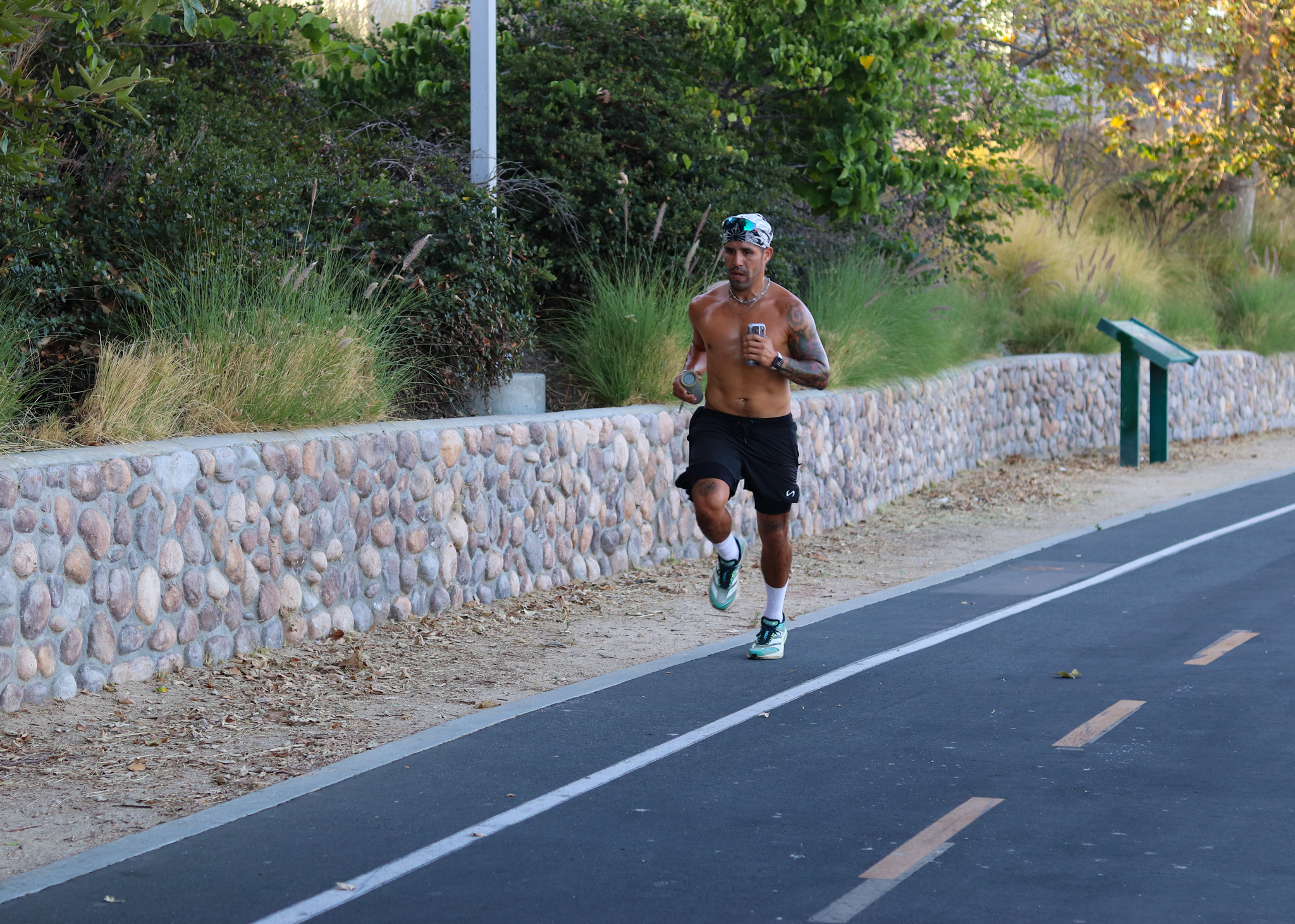
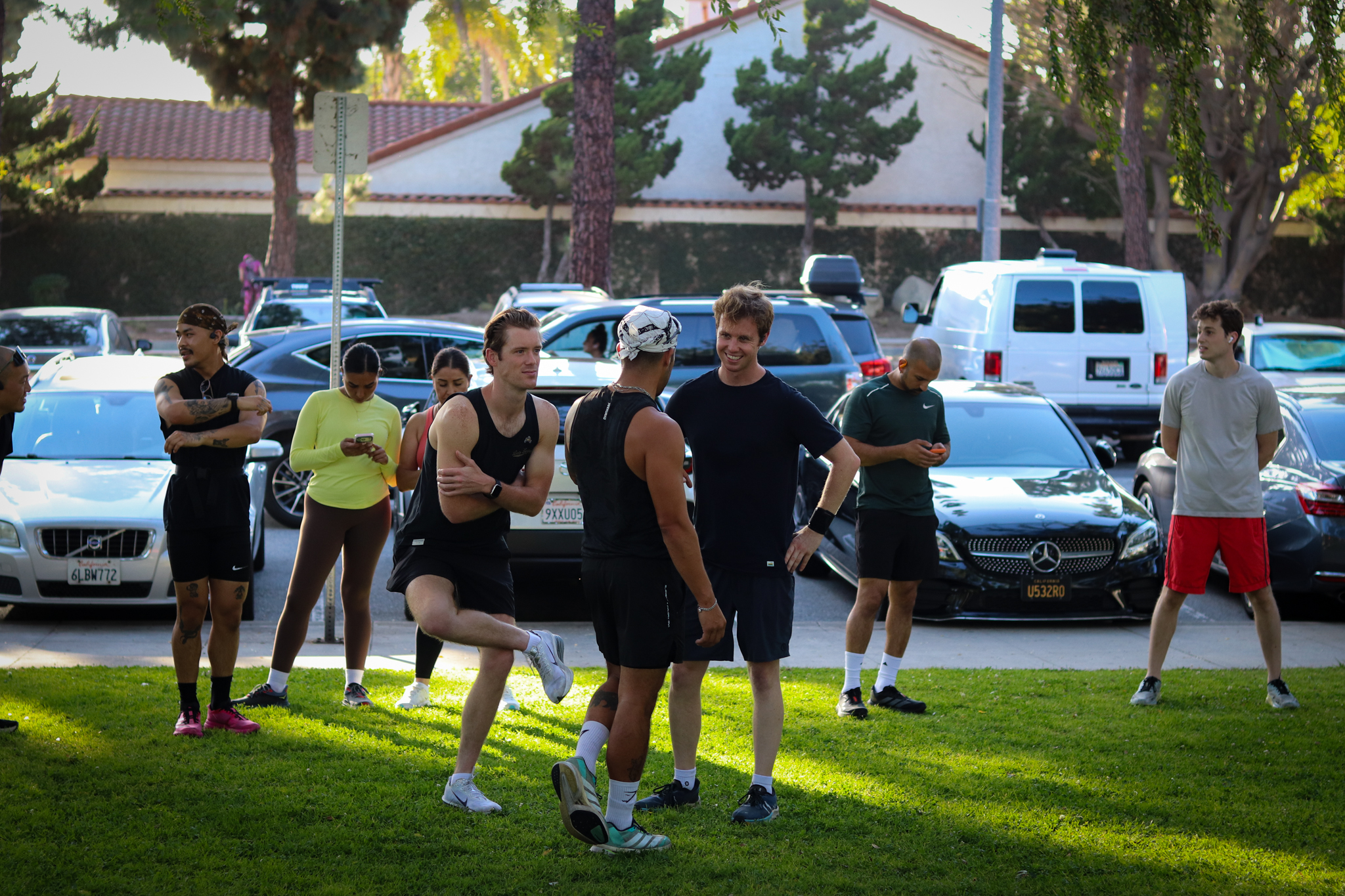
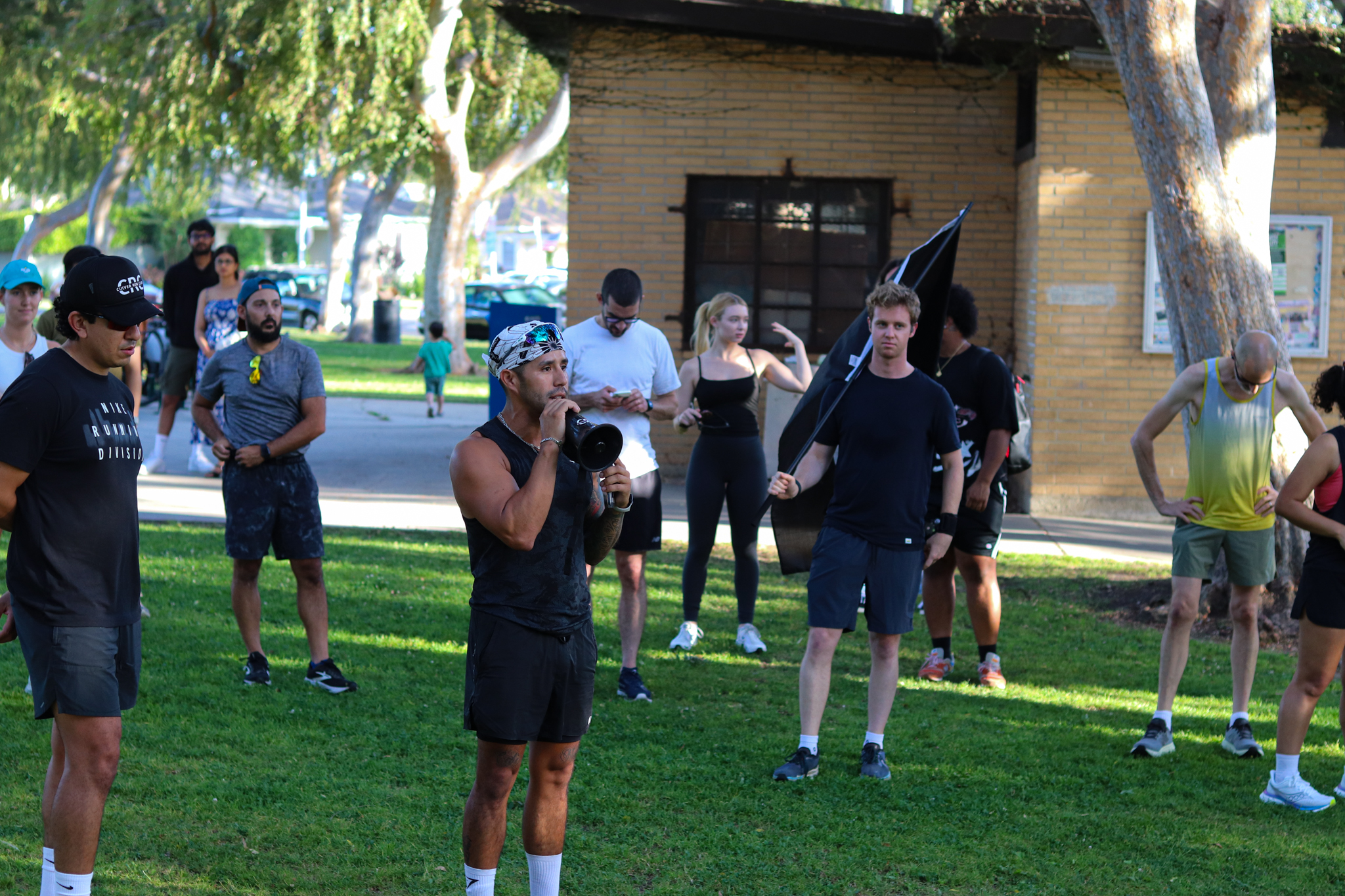
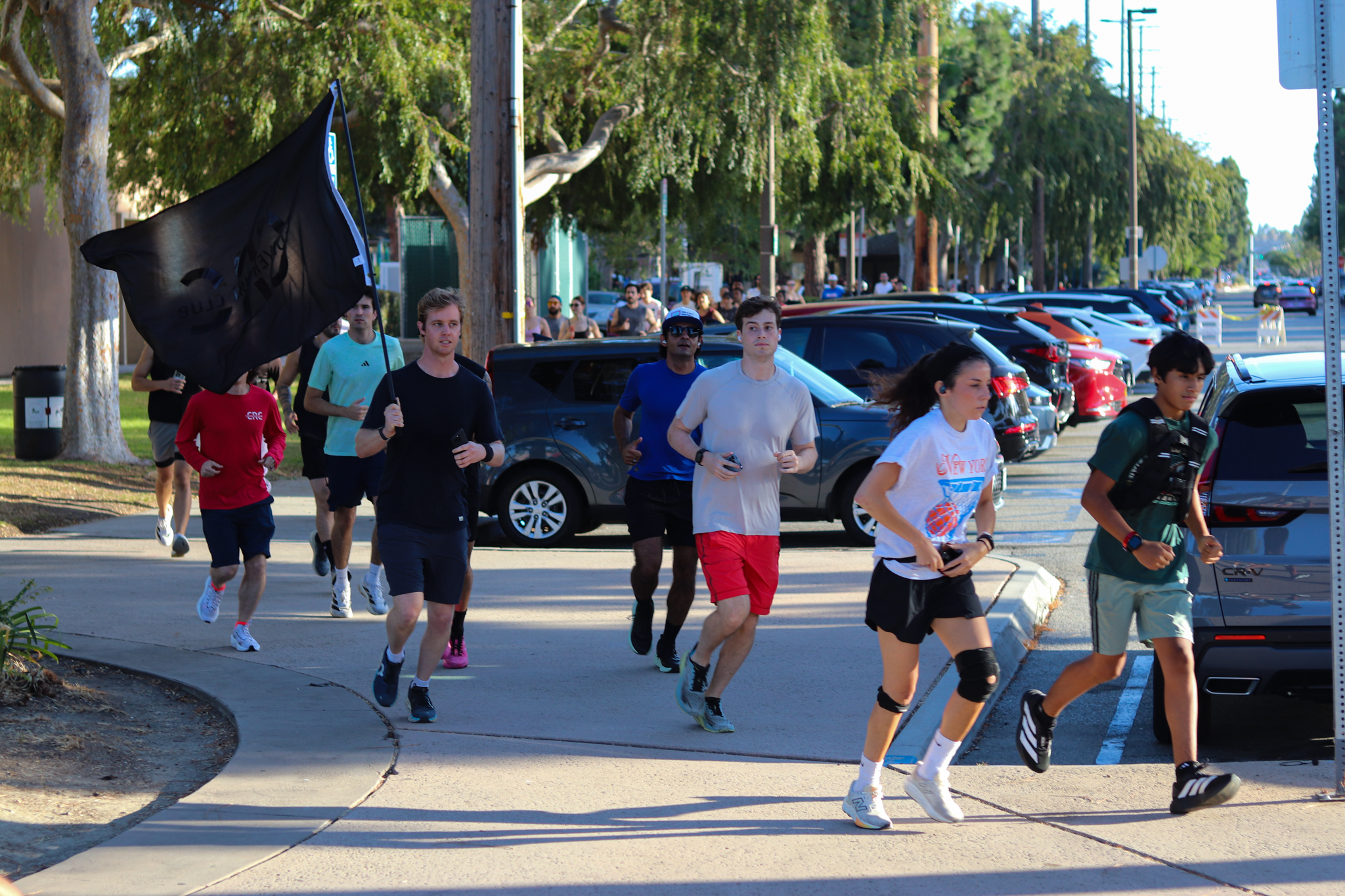
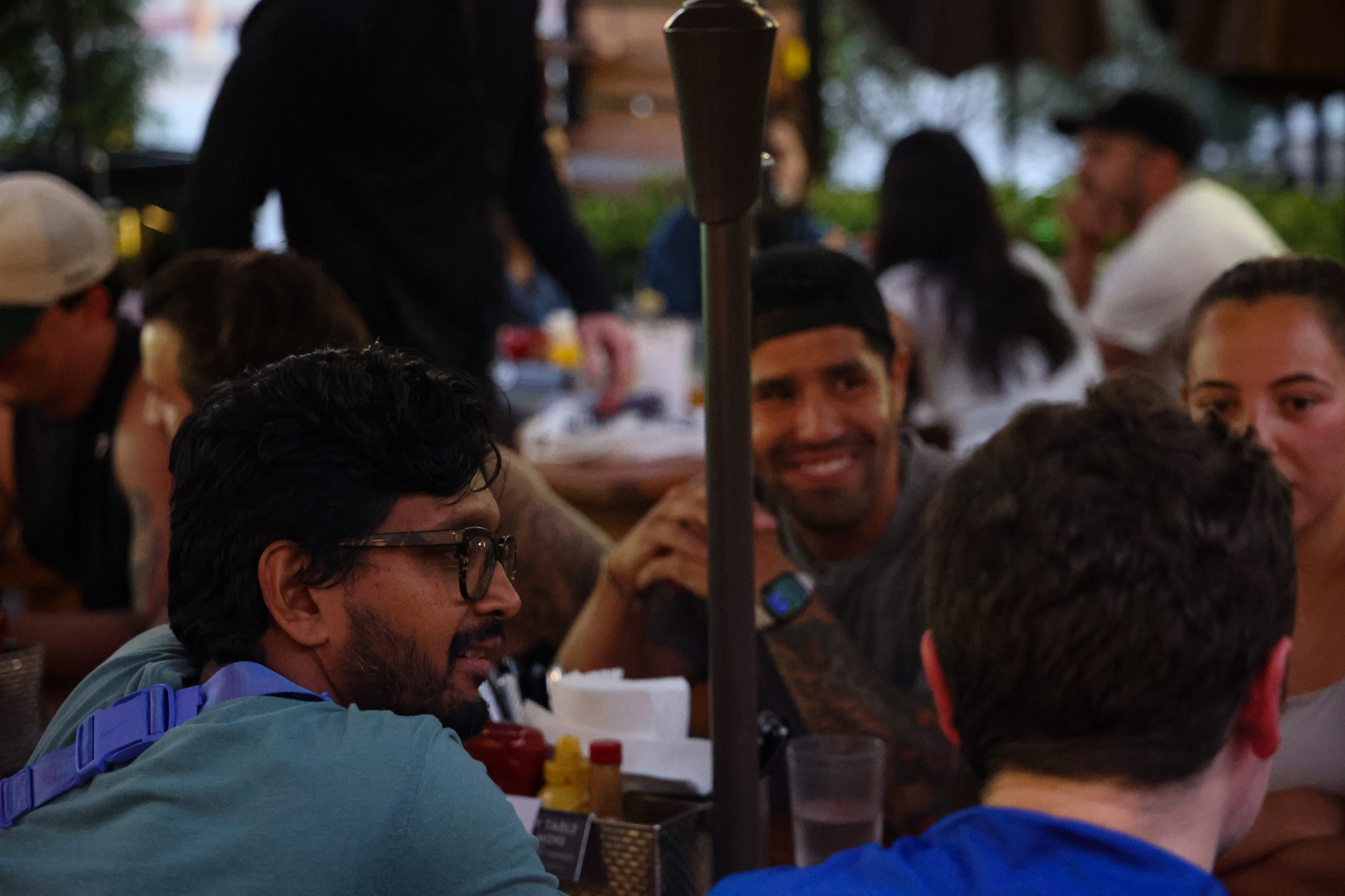
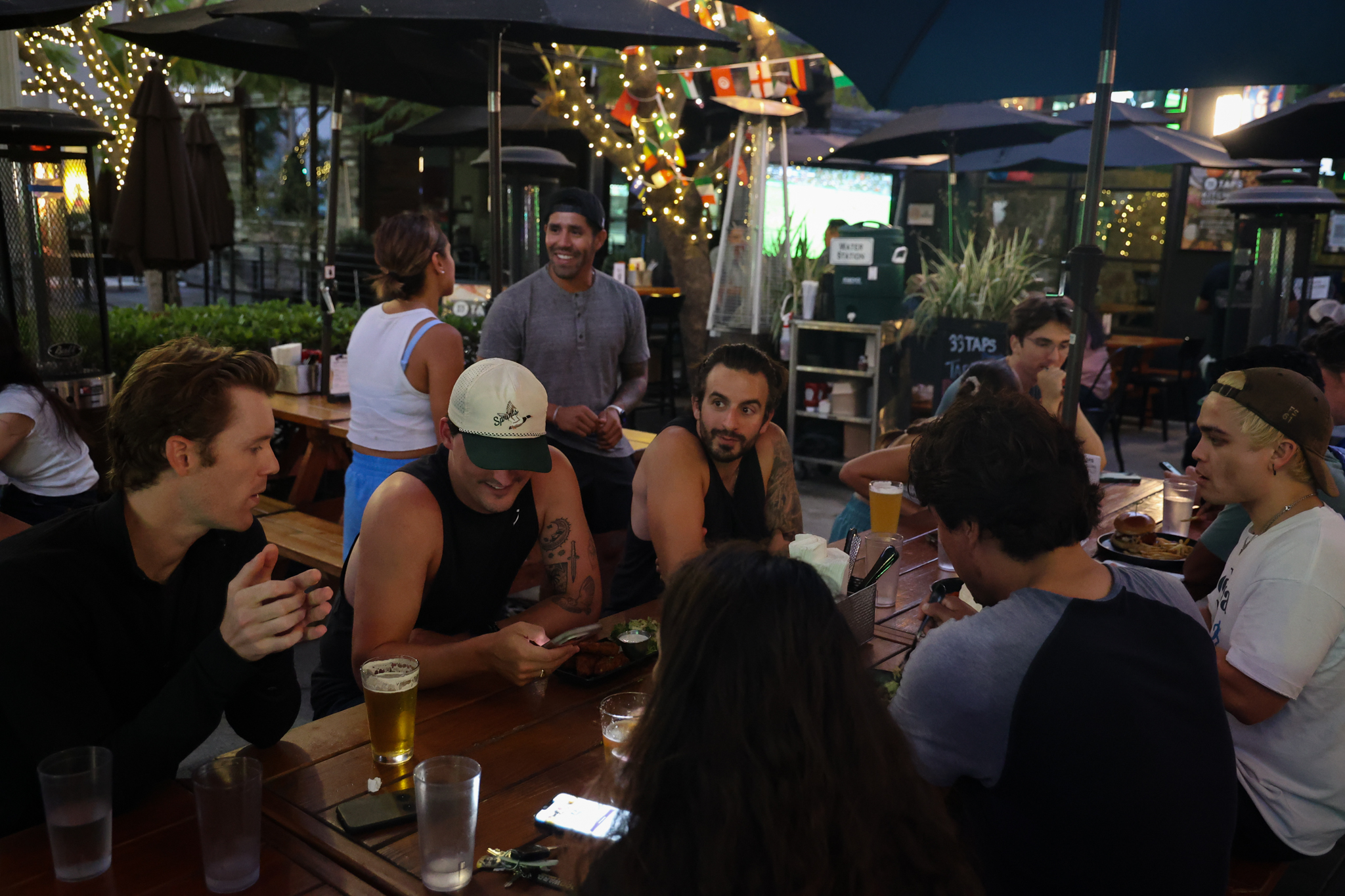
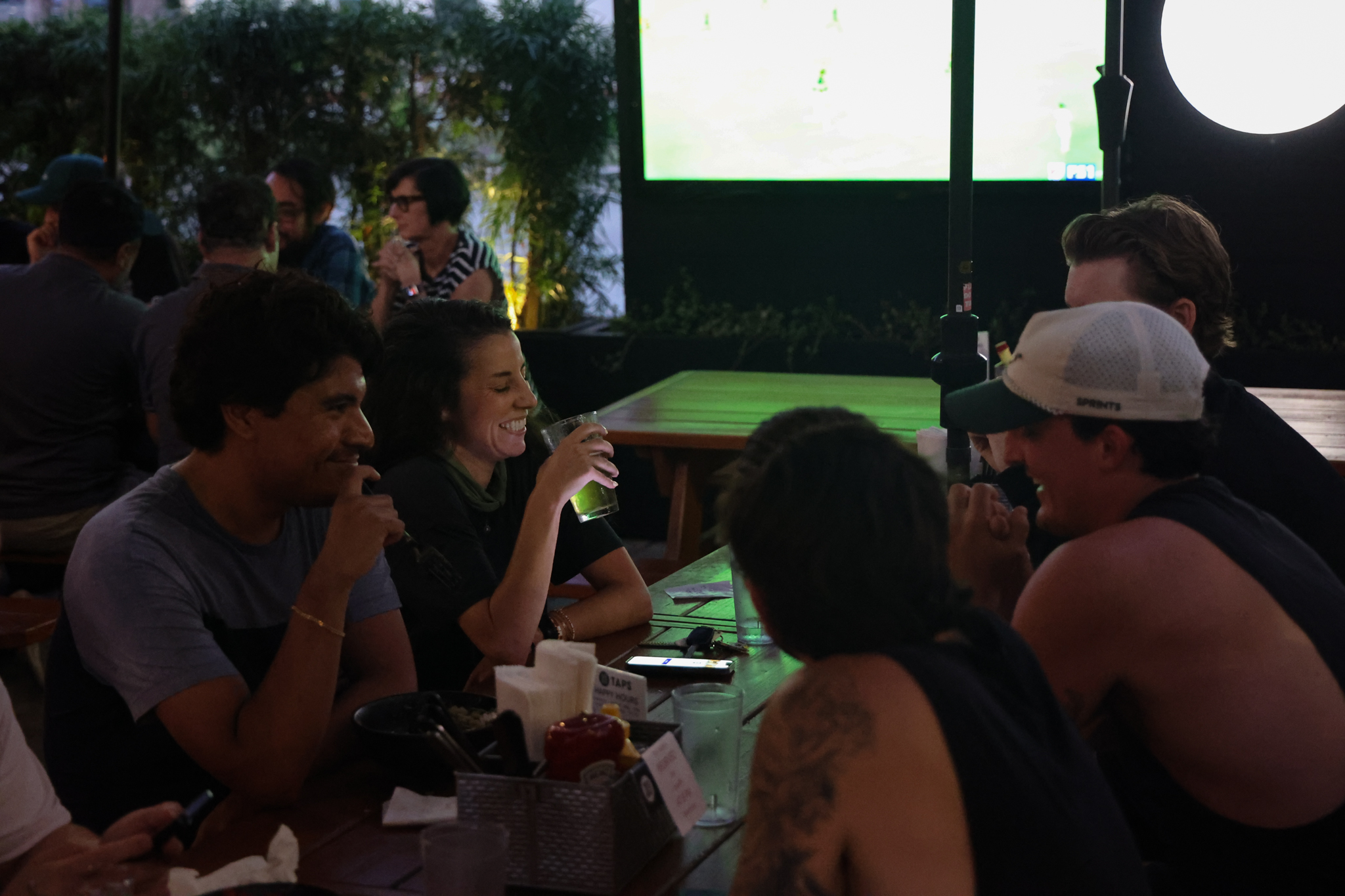
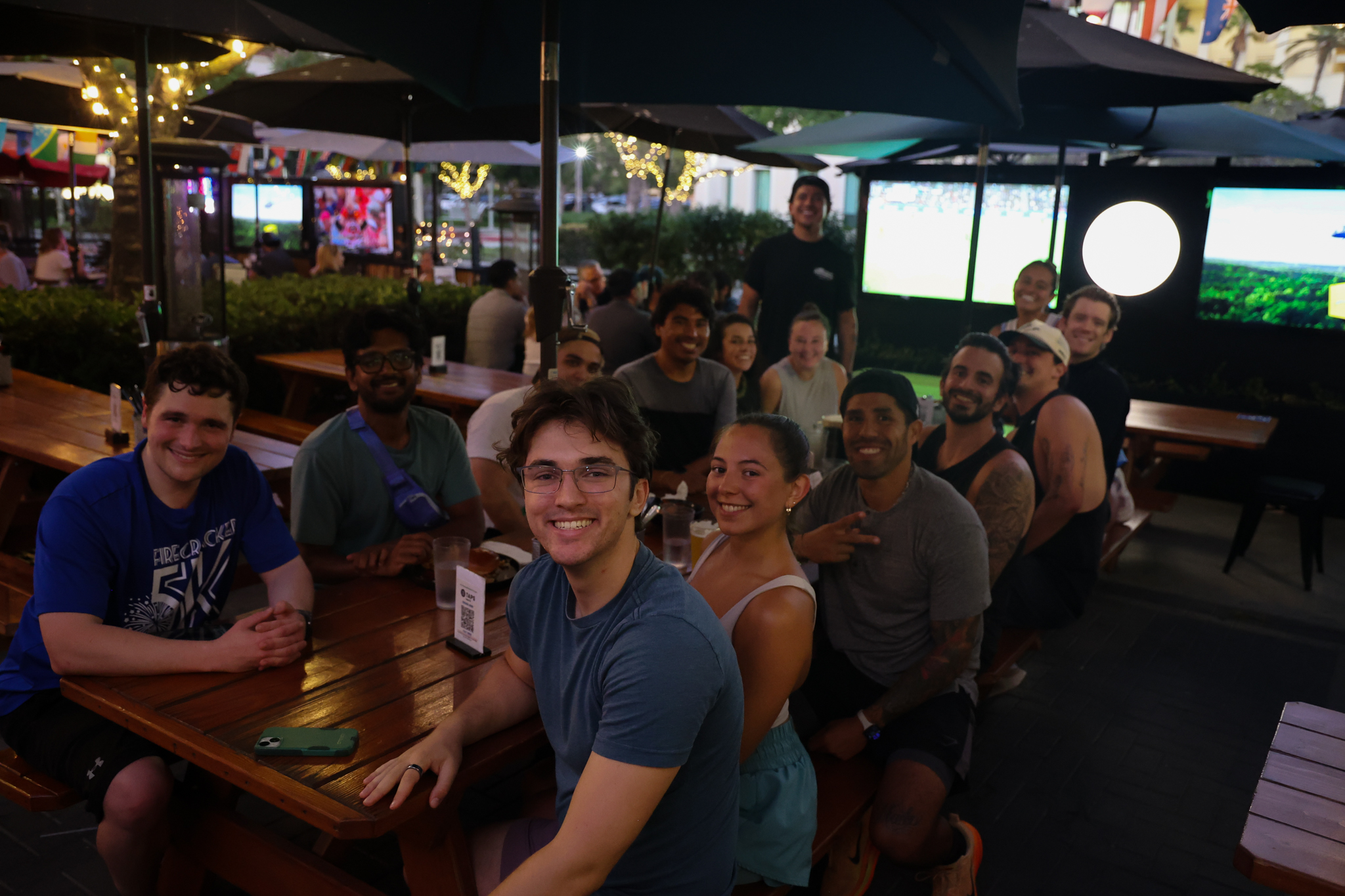
Less than two miles away, a similar vibe is emulated at Veterans Memorial Park, where Culver Run Club meets every Wednesday. Both groups, in their own ways, are responding to the same national developing crisis: the loneliness epidemic.
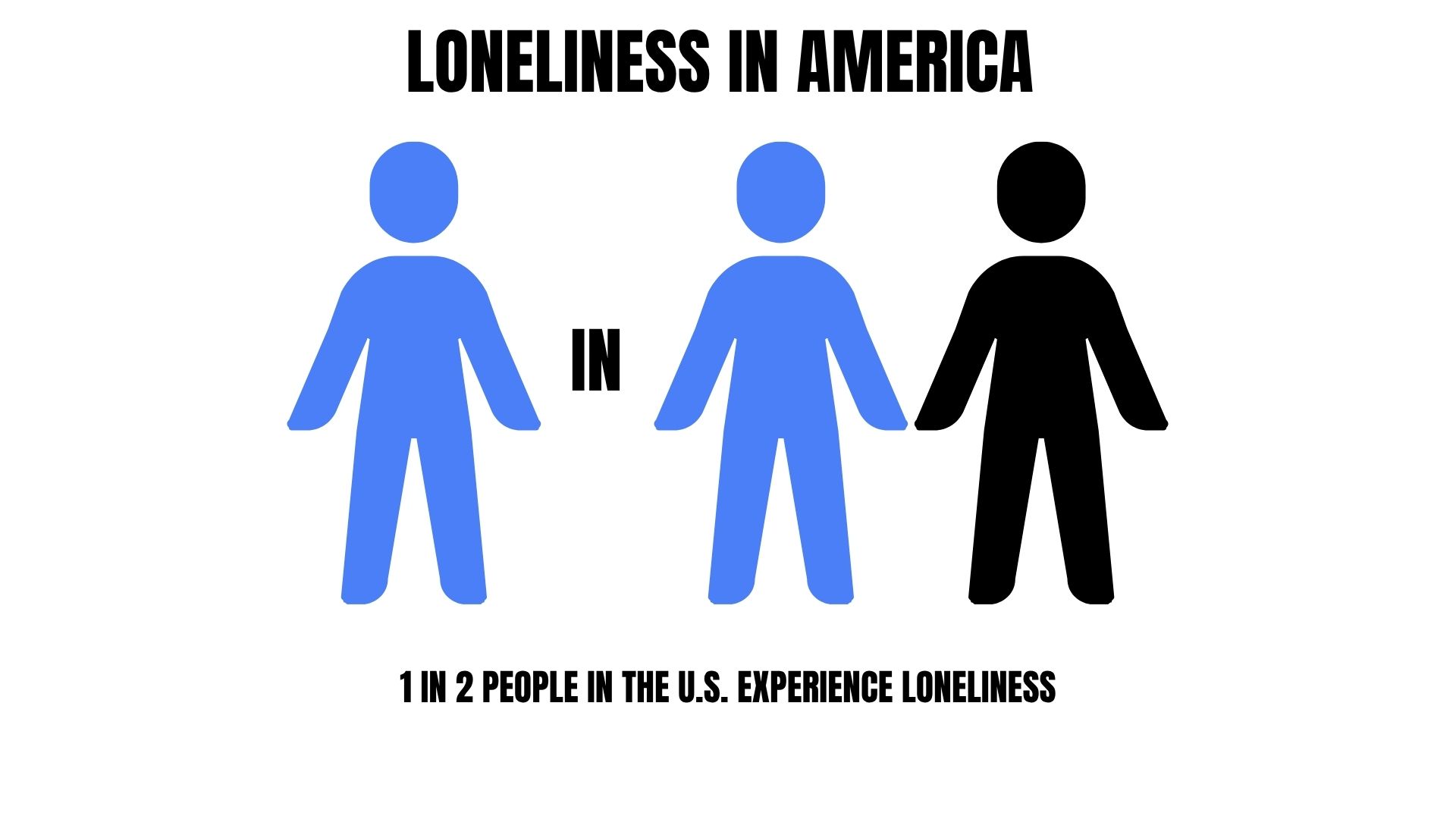
In 1990, loneliness in the U.S. was reported at just 20%. But it has been rising ever since, with some dips. Loneliness in the U.S. reached 61% in 2019, dropped to 50% post-Covid, and is now starting to rise again. A recent study found that loneliness across the country is now at 54%. This crisis is cutting across age, race, ethnicity and gender. To make matters worse, Los Angeles is considered one of the loneliest cities in the U.S. due to its sprawl, car culture, transiency, and “surface level connection.” Loneliness has real health consequences; it can lead to cognitive issues as well as depression, cardiovascular disease, diabetes and more. That is how run clubs and fitness communities can help combat this epidemic: shared activity and consistent connection.


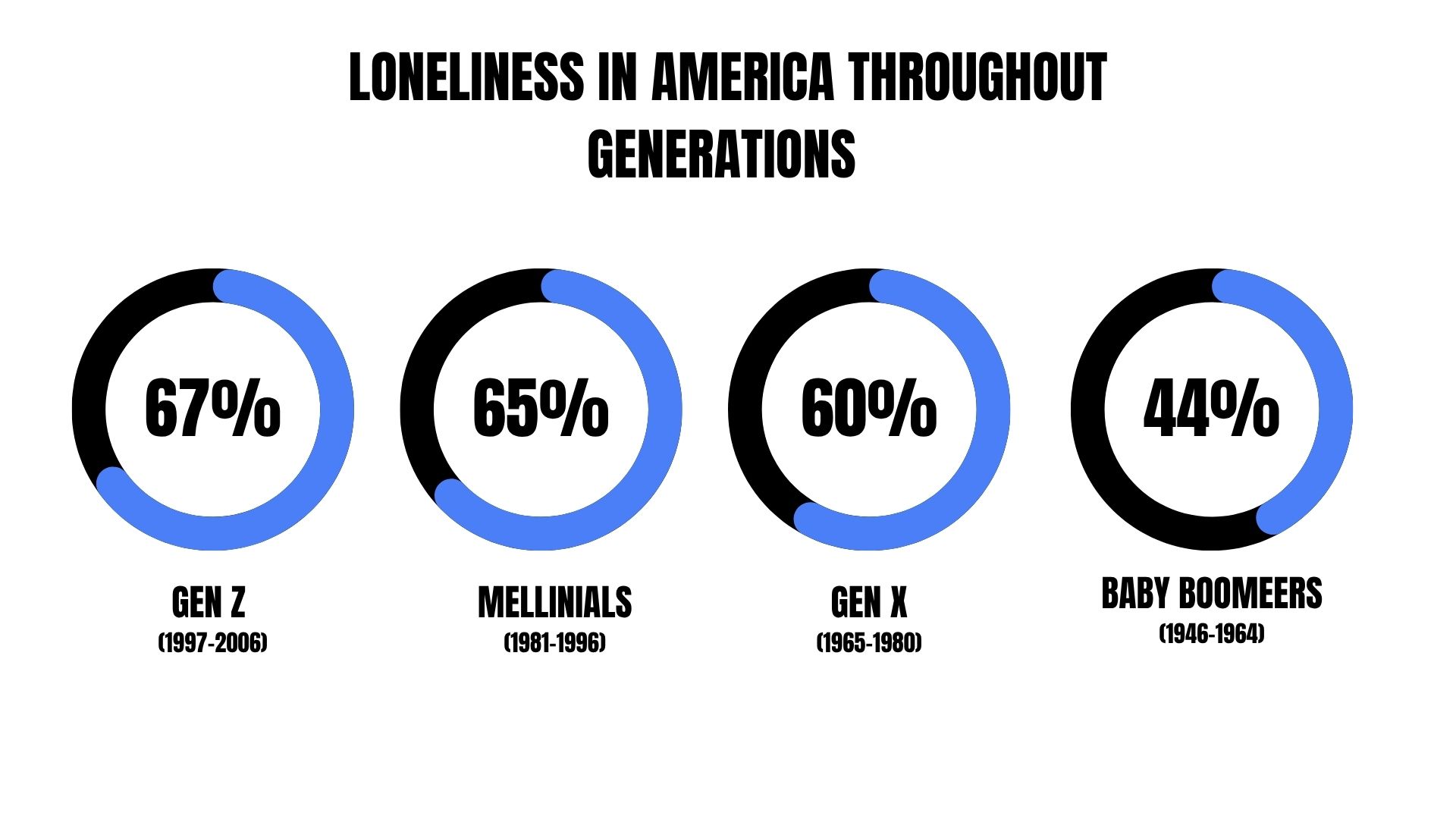

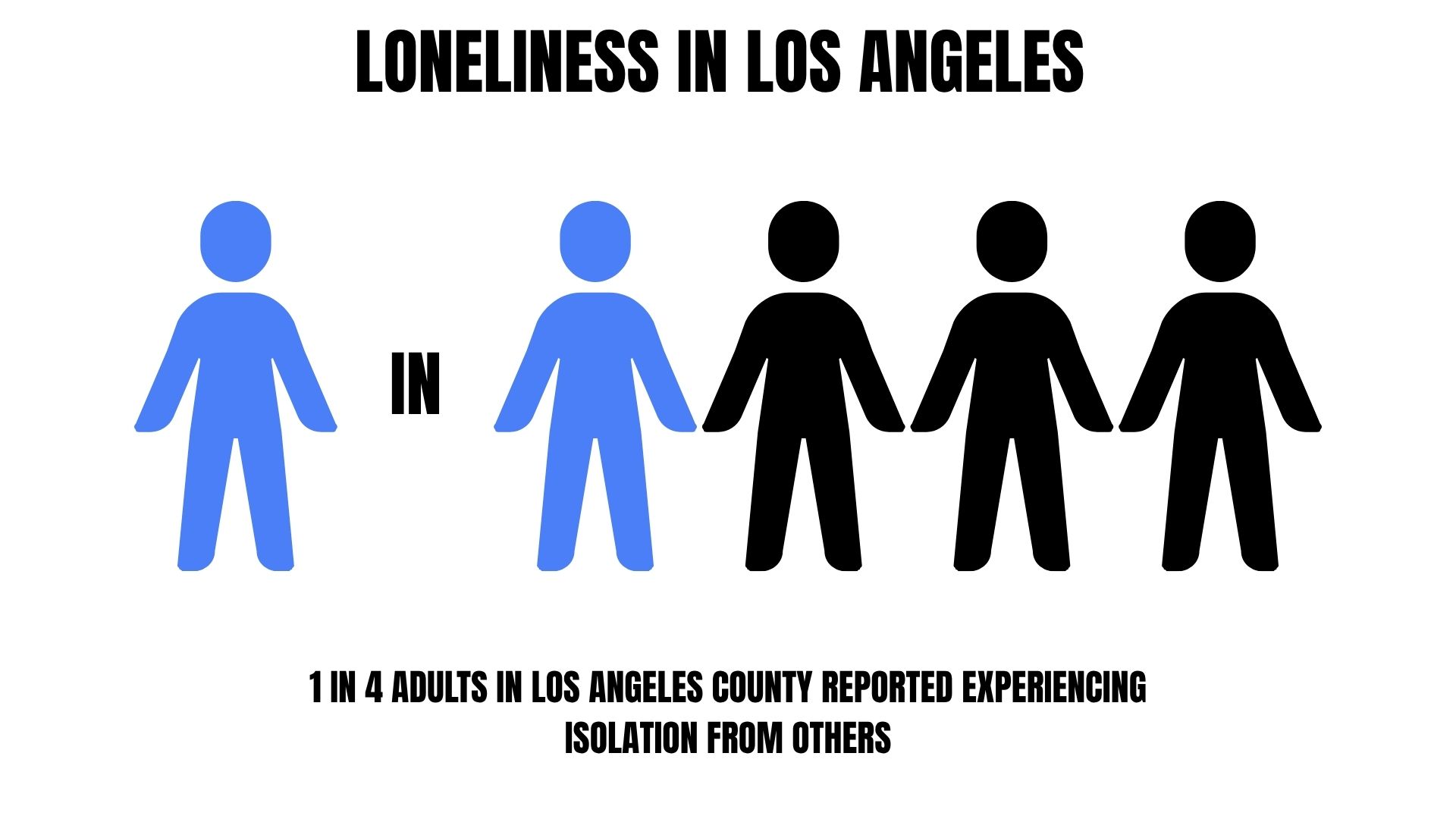
These numbers point to more than just a feeling; they reveal what is now a widespread issue affecting a large segment of the population, and highlight why people are seeking out spaces that foster regular, in-person interaction and a sense of belonging.
“Many people find meaning through other forms of human connection and community, like running run clubs,” USC’s Dean of Religious and Spiritual Life Varun Soni said.
Soni has spent the past two decades understanding the importance of seeking connection and confronting loneliness, which he sees as a public health issue on par with other challenges. But there is a simple solution.
"The remedy for loneliness is human connection," Soni said. “All you need are two people in your life that have your back no matter what,” he said.
Soni said individuals who share a space and a goal are a community. That is why the increasing growth of run clubs isn’t surprising, as it creates an opportunity for human connectivity through a common interest.
"Running club is a really important way to do it," he said.
This isn’t a new idea, but a revised one. The rise of running as a social phenomenon in America goes all the way back to the 1970s, when Frank Shorter won the Olympic marathon in 1972 and when Jim Fixx's New York Time Best Seller The Complete Book of Running was published in 1977, which turned a solitary sport into a cultural movement.
The social function was baked into running from the start, said USC Annenberg professor Daniel Durbin, who directs the school's Institute of Sports, Media, and Society.
"Sport, by definition, is a public activity," he said. Even when you're running alone, you're operating inside a shared, public tradition, which is precisely what makes it a doorway to other people.
That doorway matters because running itself can be a solitary, even lonely, pursuit. Durbin invoked the old title "The Loneliness of the Long Distance Runner" to describe the internal struggle every runner faces mile after mile.
A club doesn't erase that struggle, he said, but it changes what surrounds it. "Running is hard the entire time," he said.
It's the people alongside you, not the miles themselves, that turn a grueling routine into something worth showing up for again and again. In a city struggling to shake its isolation, that social function has never mattered more.
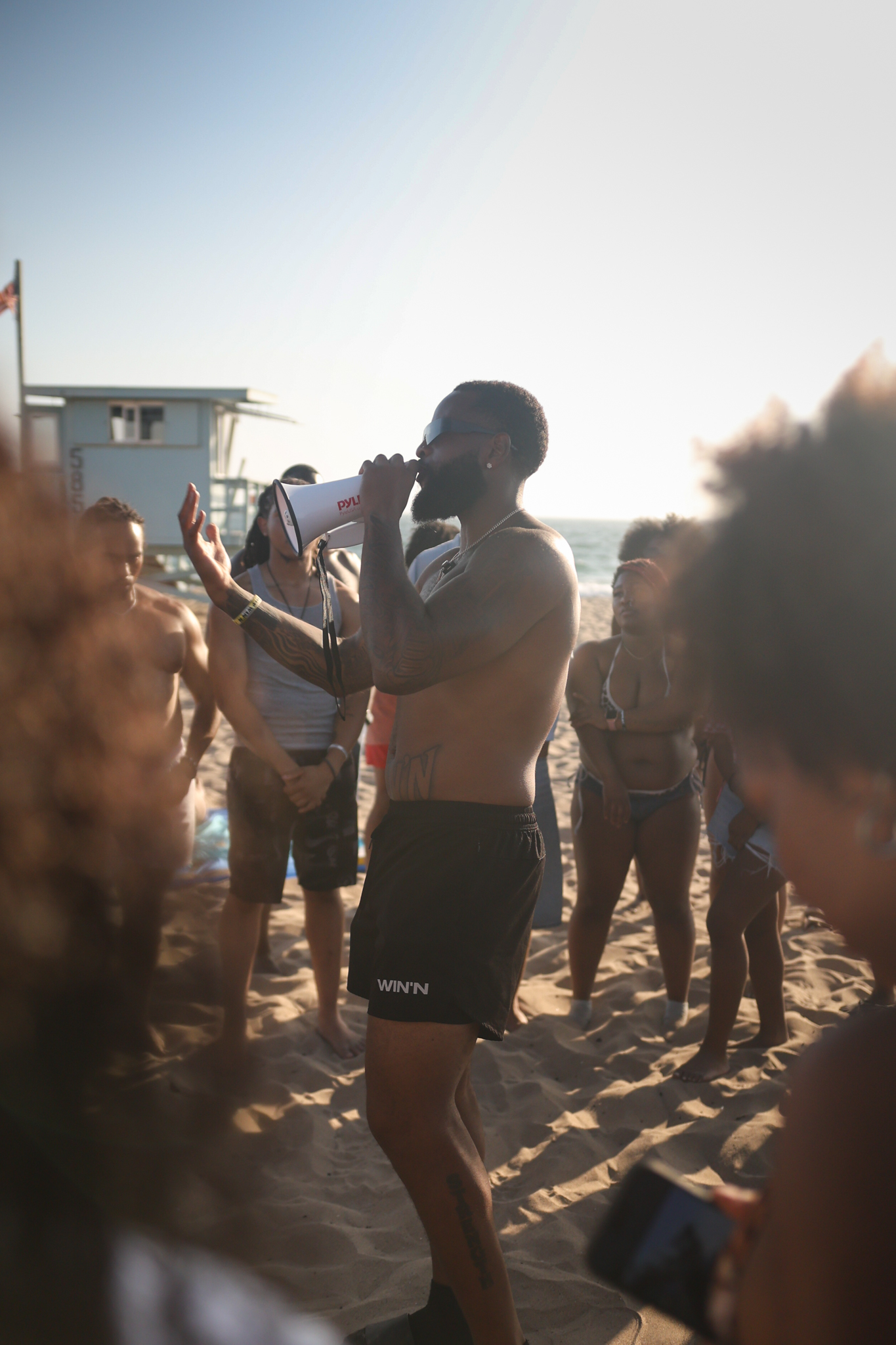
Mr. WIN, Climb LA founder
That consistency is what Ikewin Udengwu, also known as Win, strived for when he first started climbing the Culver City Steps with his friend Jabari Miles every Saturday at 10 a.m. They continuously showed up for themselves. They never intended to start a club.
One Saturday morning, the duo met at the Baldwin Hills Scenic Overlook sign. This time their friend, Leonie Holt also joined them, and they made the climb together. Holt decided to make a TikTok, not thinking anything of it, but the video blew up.

Mr. WIN, Leonie Holt, Jabari Miles
“I did a little bit of videography when I was there, snapped up some videos and I put it on TikTok,” Holt said. “It went viral and I was like, we might be onto something.”
After popping off on social media, they continued to invite more friends week by week and make content. The group grew from two to now over 100 climbers who continue to show up in search of community. Their Instagram followed suit.
“We started off with using the same content we had before, after that we started doing videos of our faces and talking about The Climb and then we went back to posting videos about the actual climb,” Holt said. “Honestly, I wanna say every month we've gained at least two, three, even 400 followers.”
This was the birth of The Climb LA, they were able to establish the club beyond word of mouth and utilize the momentum from a singular viral moment into something much more.
“Our first official climb was last year, March 29th, so we've been doing this for a little over a year now,” Miles said. “But every single week, we've had new people.”