Made by Val Vidal

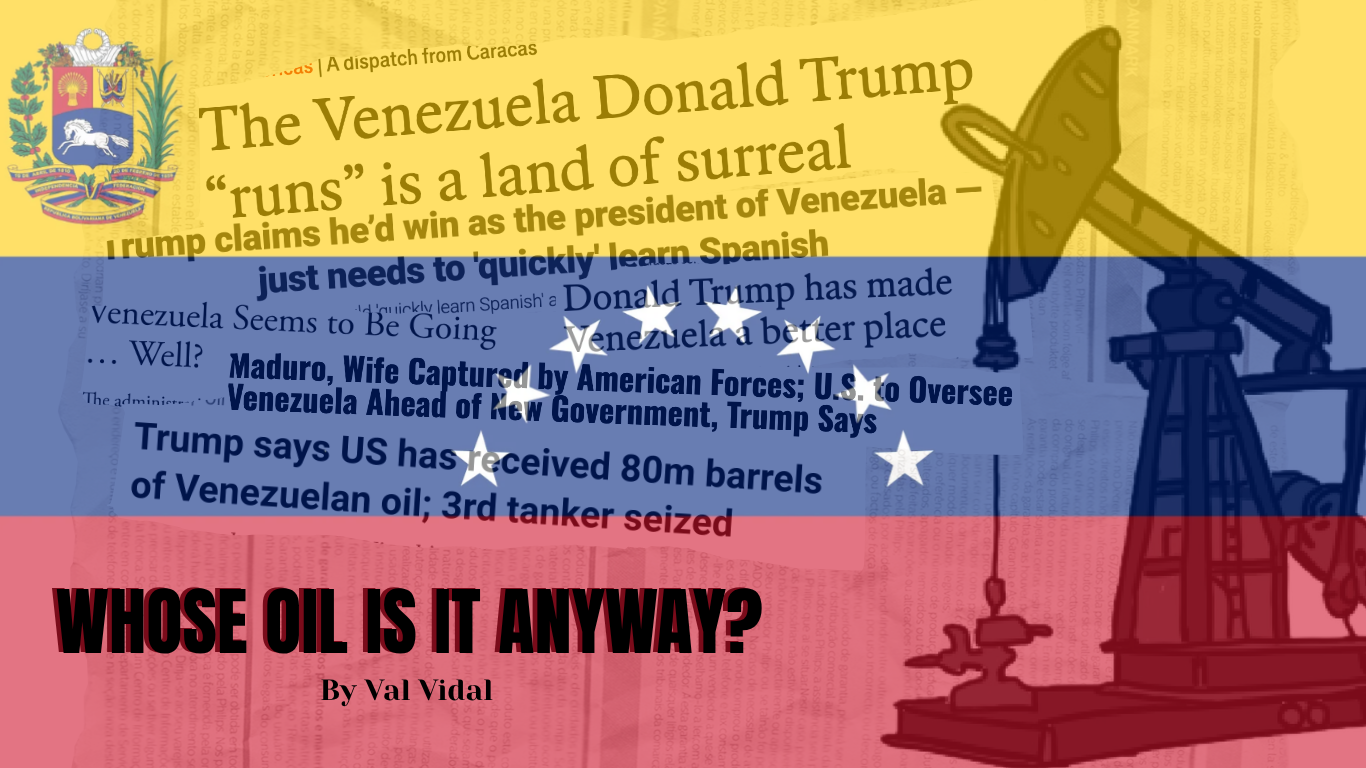
DONALD TRUMP SHOOK UP VENEZUELA, WHICH HAS THE WORLD’S LARGEST OIL DEPOSITS. WHERE DOES THAT LEAVE A SOUTH AMERICAN NATION THAT DESPERATELY NEEDS REVENUES FOR ITS PEOPLE?

By Val Vidal

With the largest proven oil reserves in the world, Venezuela could be one of the wealthiest countries in Latin America. After all, its 303.2 billion barrels of estimated oil reserves are worth $22 trillion, according to the United States Department of Energy Country Analysis Brief on Venezuela.

Venezuelans have heard for decades about the nation’s vast reserves, but for many, that wealth has rarely, if ever, translated into better living conditions.

Today, Venezuela is the poorest country in South America, with a GDP per capita of $3,600, according to OPEC Annual Statistical Bulletin. Approximately 71 percent of Venezuelan households live in poverty and 67 percent live in extreme poverty, according to studies.

Venezuela has been in the global spotlight since U.S. President Donald Trump ordered the arrest of Nicolás Maduro, the nation’s leader. Trump stated U.S. oil companies will “go in, spend billions of dollars, fix the badly broken infrastructure, oil infrastructure, and start making money for the country.”

Trump says U.S. oil companies could step into Venezuela to rebuild its struggling energy sector.

Speaking to journalists in December, he sounded quite different as he laid claim to Venezuelan oil on behalf of oil companies in the U.S. “They took all of our energy rights,” he said in response to questions about Venezuela from a journalist.

“They took all of our oil from not that long ago and we want it back. But they took it. They illegally took it,” Trump said.

It raises a crucial question for Venezuelans: Whose oil is it anyway?

Venezuela’s oil has been controlled by the state-owned company Petróleos de Venezuela, S.A. since 1976. The company was created after the nationalization of the oil industry after concerns about foreign actors’ management of the key source of Venezuelan wealth.

Trump is not the first global figure to lay claim to Venezuelan oil. He follows in a long line of local and foreign investors, politicians and corporations that have tried to take advantage of Venezuela’s primary source of revenue.

Most revenue from oil exports in Venezuela has been used to pay off the $54 billion debt the Caribbean country owes to China, according to University of Southern California Associate Professor of Business Michael Mische. The author of the 2024 economic policy study Not all oil is created equal, Mische said China fronted Venezuela the money, in return for oil shipments.

As part of the loan, China received at a discount of between 40 and 50 percent on the market price of the oil that it has received from Venezuela since 2007, according to Mische. In his analysis, it was revealed these oil-for-loans agreements involved multiple loans structured to be repaid over more than 20 years through crude shipments. But as Venezuela’s production declined and the country fell behind on payments, the terms were repeatedly renegotiated.

The discount, according to Mische, “was staggeringly large… They'll get behind on the payments so that the terms will change. And the terms always become more favorable to the person who you owe the money to than the person who owes the money,” in this case, China.

Russia and Iran have also benefited from Venezuela’s poor deal-making, Mische said. Russia’s presence in Venezuela was strong enough for Moscow to build a runway in Venezuela for its military bombers.

As for Iran’s involvement in Venezuela, it provided technical support, equipment, and expertise to repair equipment, USC Professor of Chemical Engineering and Materials Science Muhammad Sahimi said. Iran also swapped its refined oil for Venezuela's crude oil, bypassing U.S. sanctions. Sahimi said Iran helped Venezuela refine its oil to make it lighter and suitable for export, receiving payment in Venezuelan gold.

Iran, in a recently disclosed 2020 Venezuelan Defense Ministry memo, shows that the government of ousted Venezuelan President Nicolás Maduro’s explored a $400 million deal to buy ballistic missiles from Iran in 2020, according to Politico . The deal ultimately collapsed later that year, under economic pressure and opposition from the United States.

Top 10 Countries with the Largest Reserves of Oil

While many oil-producing countries fail to share the wealth with their people, Venezuela has struggled far more. According to the OPEC Annual Statistical Bulletin, Venezuela is the country with the most crude oil reserves in the world, with 303 billion barrels, but out of the 12 countries mentioned in the report, Venezuela has the third lowest GDP per capita.

The nation’s natural resources have made it a focal point for political maneuvering, and competing visions over control of the country. According to Mische, Venezuela’s oil sector generated hundreds of billions of dollars in revenue over the past two decades, but it did not reach or benefit the Venezuelan people anywhere near as much as it should. Instead, it was channeled toward the country’s ruling class.

“What we know is, subsequent to the departure of Maduro, Venezuelan production has gone up,” Mische said. “It's gone up considerably and to the favor of the Venezuelan people… Venezuela oil is now being placed on the market at spot prices.”

After Maduro’s arrest by U.S. forces in Venezuela on Jan. 3, Venezuela’s sanctioned oil sector was once again allowed by the U.S. to re-enter global markets. Venezuela’s oil is beginning to re-enter global markets under more standard pricing. Under sanctions, Venezuelan crude was often sold $14–$21 per barrel below market standard price.

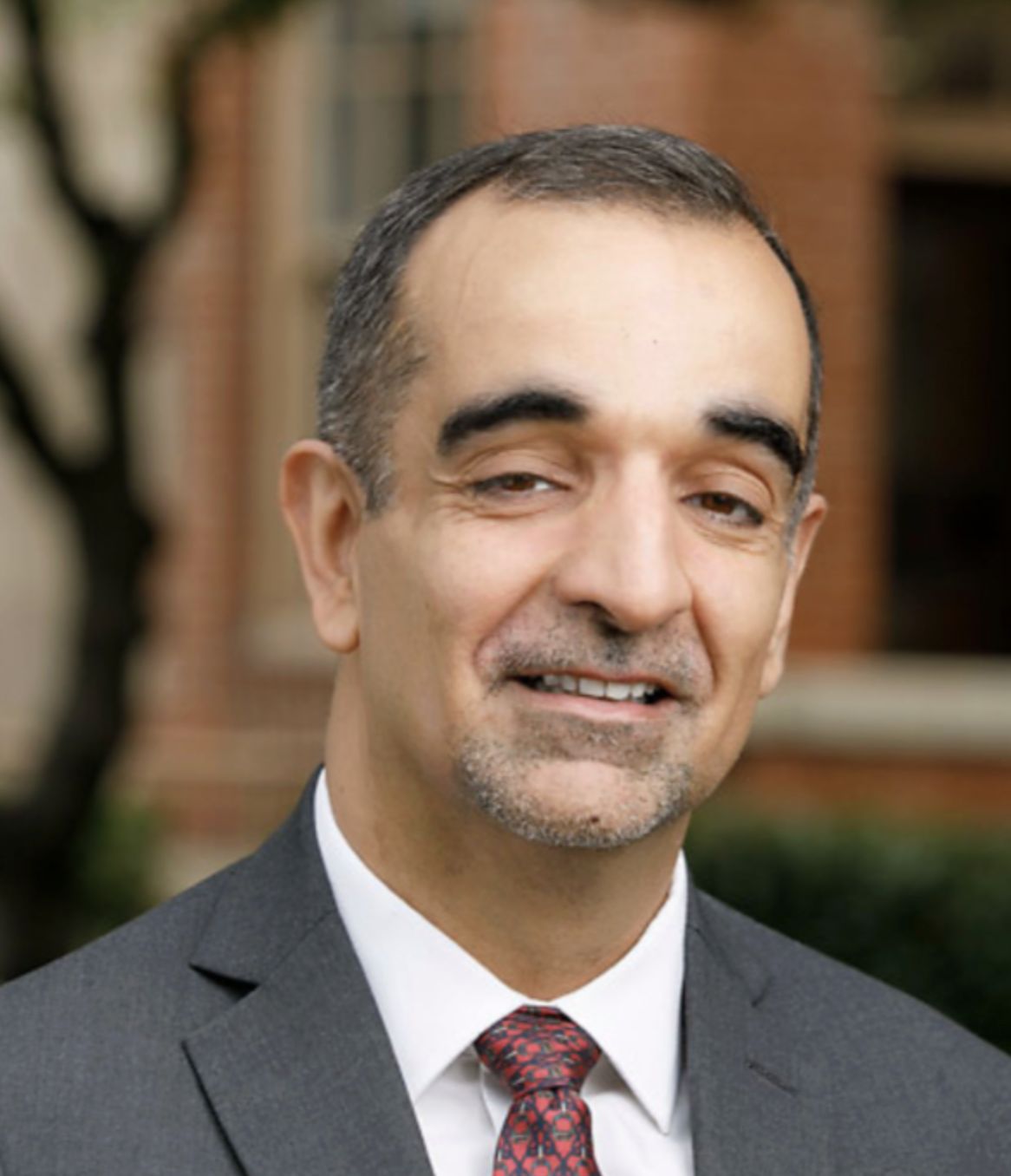
“Now, have things changed since January 3rd in Venezuela? Yeah, they have… But there's still a lot to do and a lot of things have to happen,” said USC Professor of Clinical Management and Organization Marco Aponte-Moreno, who is Venezuelan. “Delsy Rodriguez is the acting president and the Chavista regime still in power.”

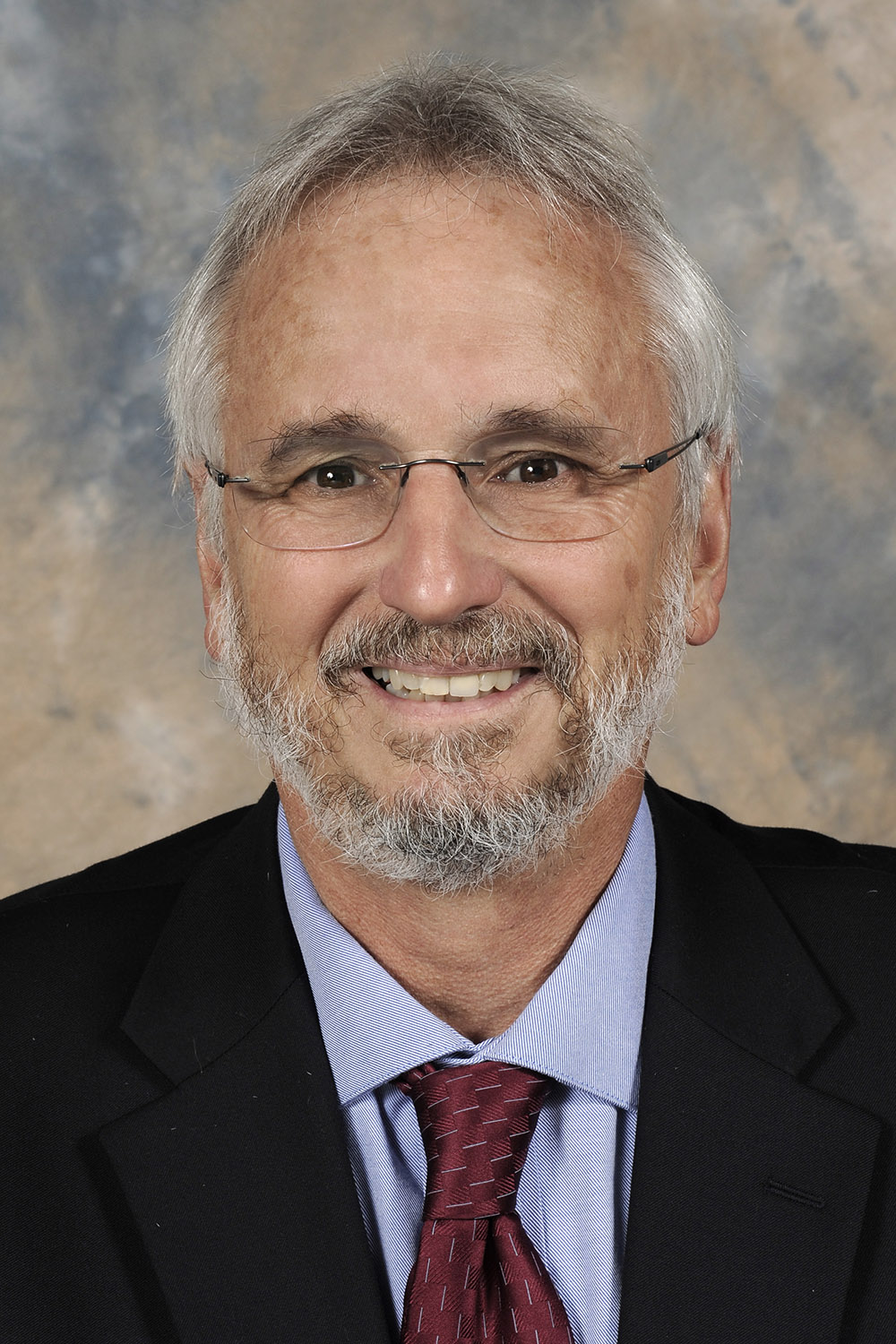
Miguel Tinker Salas, a Venezuelan who is also an Emeritus Professor of History at Pomona College, said his country needs to reclaim its sovereignty. Venezuelans should be able to manage their own internal affairs, he noted, including who they should sell oil and other resources to.

Beyond oil, Venezuela is also rich in minerals. The Orinoco Mining Arc is home to major deposits of gold, bauxite, diamonds, coltan, and iron ore. Studies estimate that Venezuela’s portion of the arc alone could contain up to $2 trillion in mineral potential, making it one of Latin America’s richest mineral zones.

“It's very clear that what the Trump administration wants is access to Venezuela's mineral wealth,” Tinker said. “But that mineral wealth” — like the nation’s oil — “needs to be put to the service of the population, not a select few. And not in Washington.”

Aponte said he believes that if it was possible to put Venezuela's natural resources at the service of its people in the past, however distant, then there is a way to recreate or improve on the old model.

“I feel that now under the U.S. supervision — I don't find a better word for what's going on right now — the money… one of the objectives [is] for the money to go to the people,” Aponte said.

WHEN OIL CHANGED VENEZUELA

Venezuela wasn’t always an oil-producing country. The country relied mainly on cash crops, such as coffee and cacao exports, during the 19th century.

But even then, Venezuelans were aware of the presence of oil in the soil, according to Tinker. Some Indigenous communities used oil to caulk their boats, and for lamp fuel going back hundreds of years.

“They knew about it when the Spanish [conquistadors] asked them what is that substance that's coming out of the ground, they referred to it as the excrement of the devil,” Tinker said.

Venezuelans were already manufacturing and processing oil in the 1870s. La Petrolia del Táchira, in Táchira state, was a location where oil seeped out of the ground after an earthquake. Tinker said Venezuelans attempted to process their own oil, selling kerosene, lubricants, among other products.

Venezuela’s economy shifted from agriculture to oil in the early 20th century, following the first successful commercial oil drilling, which led to the arrival of foreign companies in 1914. That event triggered the oil boom of the 1920s, rapidly transforming the economy into one dominated by petroleum.
British and Dutch companies begin oil exploration in eastern Venezuela. Mene Grande, a major oil field, was discovered by foreign companies, marking the beginning of large-scale oil extraction in the country.

1914

The production of 100,000 barrels/day turns Venezuela into a global oil power. U.S. companies begin shifting operations from Mexico to Venezuela. The British and Dutch companies dominate land concessions, but U.S. companies expand into offshore drilling.

1922

Venezuela becomes the world’s largest oil exporter.

1928

The Organization of the Petroleum Exporting Countries (OPEC) was founded by Iran, Iraq, Kuwait, Saudi Arabia, and Venezuela.

1960

There was a growing socioeconomic inequality due to part of the population not receiving any benefits from oil wealth.

1974

Under President Carlos Andrés Pérez, foreign companies were nationalized. Oil becomes state-controlled and Petróleos de Venezuela, SA is created.

1976

The oil had been a concern when it was in foreign hands, but when it “became Venezuelan,” according to Tinker, it was assumed to be part of the government, people had paid less and less attention, allowing the oil company to create its own infrastructure.

He added that when former President Rafael Caldera negotiated with the oil company, “it was like negotiating with a foreign enterprise because they had their own set of interests, sometimes independent of the nation,” according to Tinker.

Tinker said after the 1976 nationalization, the oil company, known by the acronym PDVSA, became a state-owned company that operated with autonomy. PDVSA had its own interests, lobbying groups, and acted independently in foreign negotiations. The revenue from petroleum exports was managed by the government.

According to Aponte, in the 1960s and 1970s, Venezuelans received some benefits from the oil industry with much of the money going to infrastructure and education.

“There was corruption like there is now — maybe not at the same levels — but it was a functional system,” Aponte said, adding that supporters of the ruling party “would be promised this and that, and they would be given a washing machine, a television, for them to vote for certain candidates.”

At the same time, Venezuela’s oil revenue was going toward the development of the country's health care system, infrastructure and education.

Aponte said this model is broken, but he thinks it can be restored.

By the late 70s, Tinker said, social tensions were rising in Venezuela with the upper middle class and middle classes doing relatively well, while most other Venezuelans were living in the shadow of the oil industry but not benefiting from it.

Caracazo: Mass protests triggered by austerity measures and signal collapse of the political system

1989

Venezuela reopens oil sector to foreign investment and global companies return. The focus shifts to the Orinoco belt, which holds heavy crude.

1990

Former President Hugo Chávez Frías attempts two coups d'état that year. Even though he failed, it launched him into national prominence.

1992

In 1989, President Carlos Andrés Pérez attempted to impose austerity measures, but that soon led to a popular revolt known as “El Caracazo.”

The popular revolt fractured the nation’s democracy, Tinker explained.

Then Gen. Hugo Chávez Frías led two failed coup attempts in 1992. Both failed. But, according to Tinker, they placed Chávez at the forefront of Venezuelan politics. In many ways, he seemed to be different from other politicians who tended to be bureaucratic, inept or corrupt. After spending two years in jail, he was pardoned by Caldera.

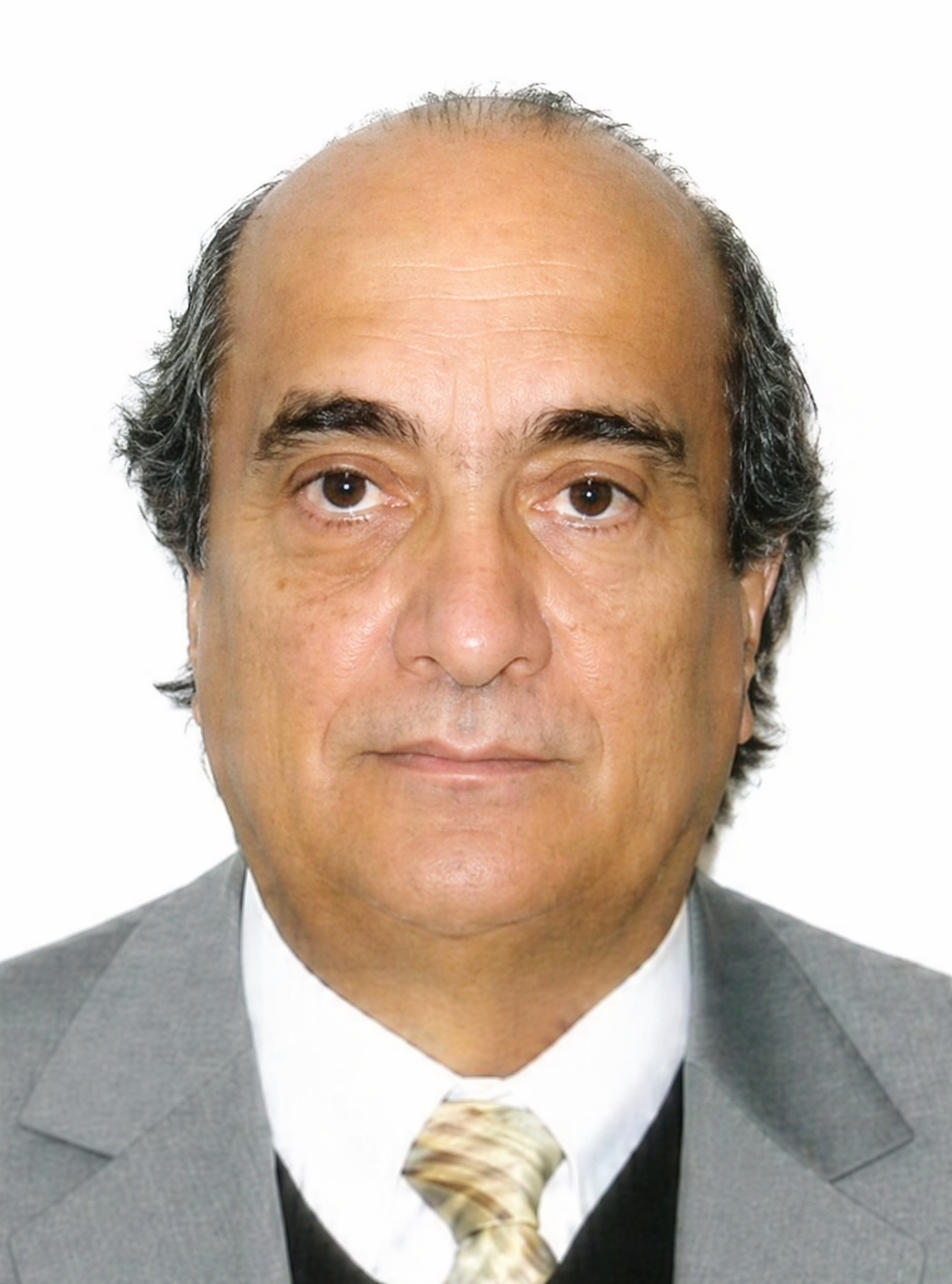
Geologist Luis Oswaldo Rodriguez, who worked for the national oil company for 31 years, said the company was the third most important in the world, claiming it had good human resources, experience and track record in any field.

When Rodriguez was working toward his Bachelor’s degree at Universidad Central de Venezuela, the national oil company had partnerships with the universities across the country to recruit the students for future employment.

Rodriguez credits his education to the national oil company, which had several programs that connected workers with universities abroad, and that allowed him to continue his studies at the University of Texas. Rodriguez said PDVSA also had programs connecting workers with foreign companies, like Chevron.

“I am the result of those programs,” Rodriguez said.

Chávez wins the presidential election.

1999

Hydrocarbons Law: Closes loopholes allowing foreign service contractors and re-asserts state control over oil operations.

2001

Oil Strike: Opposition-led shutdown of PDVSA in response to Chávez’s efforts to replace merit-based management with political loyalists and increase state control over the oil industry.

2002

According to Tinker, then President Chávez decided in 2001 to establish a series of legal reforms that aimed to close loopholes in the oil nationalization law. The opposition decided to pressure the government by cutting access to oil wealth starting December of 2001, Tinker explained. This event led to the Oil Strike of 2002.

“It had a dramatic effect economically because most people — most small merchants count on December to make their profit for the year, and there was some resistance to it, and the Chávez government was able to outlive and outlast the strike and recoup the oil industry,” Tinker said.

Tinker said Chávez’s administration reasserted control over the national oil company in some new ways.

“Whenever you have one source of wealth, oil in this case, there's always a temptation for corruption,” Tinker said.

Mass firing happened shortly after the strike ended. Most of the positions were filled by loyalists to the Chávez regime, who did not have the necessary knowledge to run the company.

“The pity of this situation is that people with a lot of knowledge were fired,” Rodriguez said. “Then PDVSA was populated with people with no respect, they have no good background, no knowledge.”

Chávez dies in March, and Nicolás Maduro is elected to replace him.

2013

Protests begin across Venezuela driven by economic collapse, inflation, and shortages.

2014

U.S. sanctions imposed on Venezuela targeting government officials and restricting access to financial markets in response to allegations of authoritarian rule and suppression of political opposition.

2017

Electoral fraud in 2024 sparks international criticism and widespread protests over disputed election results.

2024

U.S. and Venezuelan-linked maritime incidents escalate tensions, tied to oil smuggling and regional enforcement actions.

2025

Maduro is detained, marking a major political turning point after years of crisis and instability.

2026

CAN VENEZUELA TURN OIL WEALTH INTO REAL CHANGE?

Photo courtesy of Miguel Tinker

USC Professor of Clinical Management and Organization Marco Aponte-Moreno

Photo courtesy of Marco Aponte

USC Professor of Clinical Management and Organization Marco Aponte-Moreno

Photo courtesy of Luis Rodriguez

Geologist Luis Oswaldo Rodriguez

“The risks are both political and economic,” Sahimi said.

According to Rodriguez, Venezuela knows they have oil and they know where to find it. Exploration is not the issue, but rebuilding infrastructure and restructuring the way PDVSA operates.

“The physical part is fixable, the difficult part is trust,” Aponte said.

Experts say that there are two major challenges to reconstruct the oil industry in Venezuela: neglected infrastructure and political uncertainty.

Sahimi argues that petroleum infrastructure needs to be upgraded, as an oil industry can’t rely solely on old wells. Shon Hiatt, an associate professor of Business Administration at USC’s Marshall School of Business said that the infrastructure problems are the result of 20 years of neglect and a lack of investment.

“The problem is PDVSA never reinvested, so its assets are just breaking down and there's just massive pollution like in Lake Maracaibo,” Hiatt said. “It's because a lot of these rigs and the pipelines have just broken, corroded, and they leak.”

Lake Maracaibo has been affected by oil spills for years, and there has been little to no change to ensure the environment is protected.

According to Mische, Lake Maracaibo is not the only natural space that has been affected by oil production malpractices. Deforestation of the jungles and forests, along with oil spills on the shoreline, are also some of the consequences.

The petroleum infrastructure can be repaired — as long as investment comes through — but oil practices need to be updated to ensure the environment is protected.

Mische prioritizes political change over infrastructural change, as the political change would bring trust and could help rebuild the industry. The infrastructure problem, on the other hand, requires an expensive solution, Mische said. He estimates that around $130 billion is needed to rebuild the industry in Venezuela. These investments would come from private, mostly foreign, companies.

“For us to go back to something similar again, we need democracy,” Aponte said. “If we don't have democracy, we won't have that development.”

Aponte explained that political change is necessary to achieve democracy. This is essential to the oil industry because of the history of expropriation of private companies and corruption under the Chávez and Maduro regime.

“If indeed you have consistent investment. And you have a movement towards a democracy, and you have a stable government… Then I think you're gonna have some staggering economic results,” Mische said. “But it’s, you know, it's not overnight.”

The biggest challenge companies face when contemplating large-scale investment is a government with a history of not respecting the contracts, according to Hiatt.

“The biggest risks for foreign oil companies entering Venezuela today: broken equipment, broken infrastructure, political instability and the long history of expropriation that we've had under Chávez," Aponte said. “They have to be sure that those contracts are going to be honored. Without that, I don't think there's a guarantee that the industry will be restored, and that people can have trust, and the big oil companies will come back.”

Although Venezuela has taken some steps toward democracy, with a new Amnesty Law for political prisoners, and a new Hydrocarbon Law allowing foreign companies to invest in the oil sector, there is still a long way to go.

“What needs to happen is transparency,” Tinker said. “The problem is that that wealth has to be distributed equitably among all segments of society. It cannot simply be to benefit a particular segment of the society.”

There's still a lot to do and a great deal needs to happen for people, not only overseas, but for people in Venezuela to believe that change is happening, Aponte said.

“Restoring democracy will also restore the industry, so that's why I feel it's important,” Aponte said. “And that is when the industry and the production can increase really to the potential that the country has.”

Aponte said the political change starts with the government releasing all the political prisoners and holding new elections. In addition, Aponte said it is crucial for Maria Corina Machado, opposition leader, to return to Venezuela safely.

Click X to close