Is Los Angeles Ready to Light the Torch?
Three years out from LA28 its a question of the light side and the dark side
By Maddie Fabricant, Nia Satterfield Brown and Grace Song
Across Los Angeles there are mixed signs of what’s ahead: Murals bloom on scaffolds while eviction notices are quietly taped to doors. New transit lanes are promised, yet sidewalks remain cracked and broken.
In ways big and small, L.A. is preparing for its Olympic moment, its biggest showcase on the world stage since 1984. But the road to LA28 is paved with both promise and peril (and potholes.)
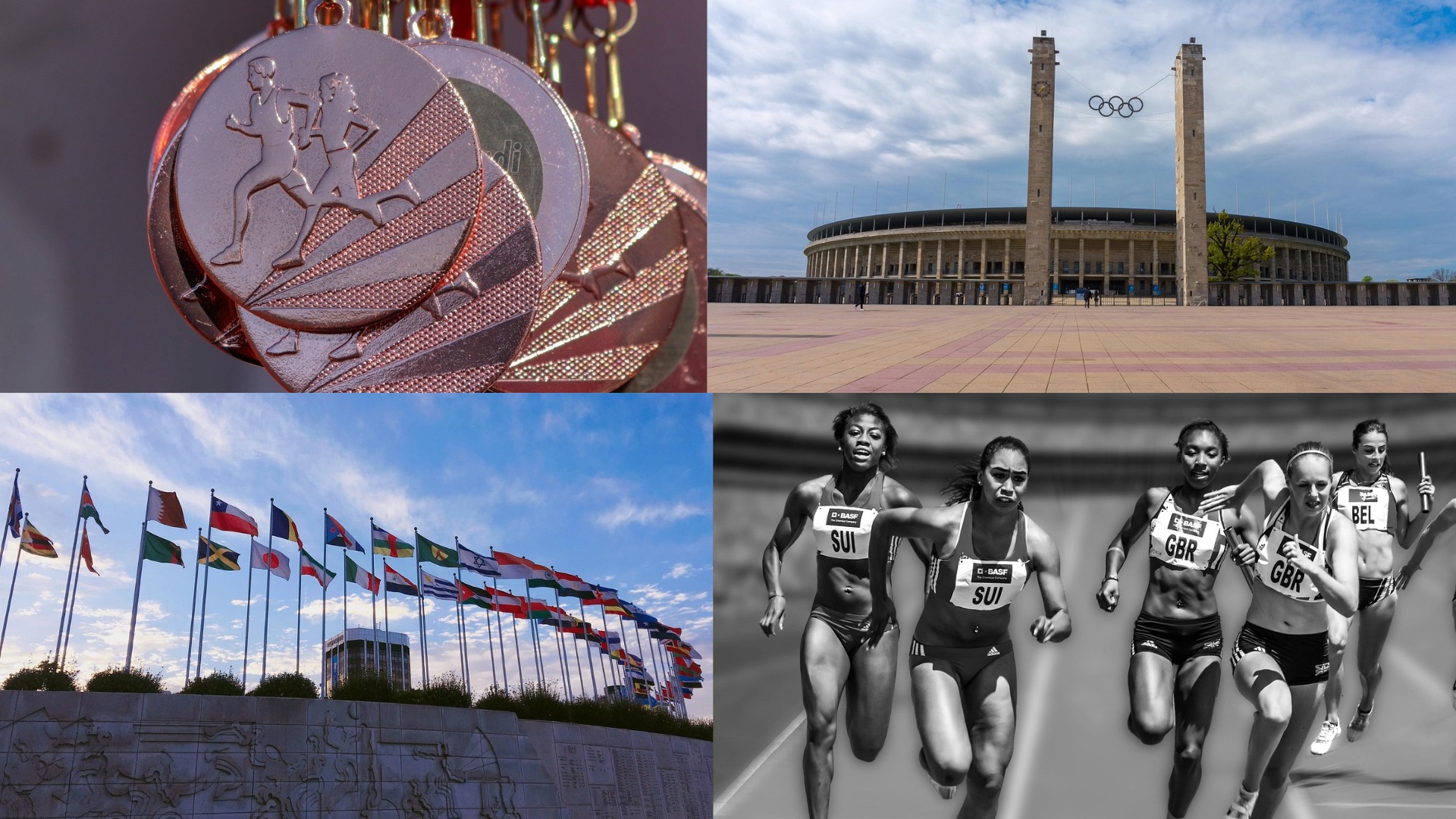
As L.A. prepares for perhaps its biggest performance, tensions are rising behind the curtains. In a city that has always been a symbol of reinvention, spectacle and contradiction, the 2028 Olympic Games are more than just a sporting event. They're a mirror and a dividing line that depends on your perspective: An $8 billion mirror reflecting every tension L.A. has ever faced: wealth vs. poverty, progress vs. displacement, legacy vs. loss.
Welcome to the future of L.A.—bright and shadowed, hopeful and contested. For now, L.A.’s leaders are confident:
“I have no doubt that L.A. will deliver on the world stage,” L.A. Mayor Karen Bass told USC Annenberg. “In 1984, in the middle of the worst recession in 40 years, L.A. delivered the most successful Games in history—Games that continue to benefit Angelenos to this day. Through collaboration across all levels of government, private partners, community leaders and more, we are all getting ready to host the greatest Games L.A. has ever seen. That’s the L.A. spirit.”
This piece is divided in two, to represent the dichotomy: The two sides of the Olympic preparations. First, you’ll find the light, bright as a torch. This includes the vision of LA28 as told by its champions, which includes an optimistic case for why L.A. can make money, ways the city will benefit from transportation upgrades and a restored sense of prestige.
Next is the dark, where experts and observers warn about fools gold of economic opportunity, missed deadlines and think the games are a big distraction from larger issues.
Each path is backed by research and interviews. And when you’ve explored both sides, the choice will be yours: Three years out from the world’s stage, what kind of Games is L.A. building toward?
The Light Side: A City Rising from the Flames
The bright side of L.A.’s Olympic future lies in its potential to finally unlock the city’s promise—creating jobs, improving transit for those who need it most and showcasing a metropolis ready to lead on the global stage.
Unlike previous hosts trapped by costly construction, Olympic optimists see L.A. as positioned to profit while delivering lasting improvements to infrastructure that serves everyday Angelenos.
As Erikk Aldridge, LA28’s Vice President of Impact, puts it in promotional materials for the games: “We have a unique opportunity to use the Games as a catalyst for progress, co-creating benefit for the region that will be around well after the Games are over.”
Economics
Experts suggest that LA28 has the potential to bring measurable economic benefits to the city.
With existing infrastructure and private funding at the forefront, some believe this could be one of the most fiscally responsible Games in modern history.
William Yu is a forecast specialist and economist at UCLA’s Anderson School of Management. He sees LA28 as a calculated opportunity for the city. The key piece, he said, is the city’s decision not to build new venues and avoid the costly infrastructure traps of previous games in Athens, Greece and Rio de Janeiro, Brazil.
Yu also believes the city stands to benefit from three types of gain: direct revenue, induced economic activity, and intangible prestige.
“L.A. doesn’t need name recognition,” he said, “but a successful Games can reinforce its global influence.”
With more than $1 billion already secured for federal security and $1.6 billion from private sponsors, Yu said this could be one of the rare Games that lives up to its fiscal promise—if costs are managed and tourist expectations met.
“The benefits are real, but we must avoid the crowding-out effect and ensure regular Angelenos don’t get priced out,” he said.
Transit
One of the biggest logistical issues for LA28 is transportation. City leaders pitched a vision of a city well known for its traffic to host a games where cars won’t be needed.
Transportation leaders are preparing for a massive logistical undertaking to move spectators and workers efficiently during LA28. Alongside short-term needs, their hope is that these efforts will also create lasting improvements for everyday transit users.
Kasey Shuda, who serves as the senior director in LA Metro’s Office of Strategic Innovation, is clear-eyed about the scale of the task ahead.
“This will be the largest peacetime gathering ever. The biggest Olympics ever,” she said. And she’s confident in LA Metro’s ability to deliver, without traditional parking at venues and under strict security perimeters.
“These are transit-first Games,” Shuda says. That means creating an entirely new system, essentially from scratch, to handle an unprecedented flow of people.
Despite the $8 billion Olympic budget, not a single dollar was allocated to public transit. Shuda explained that the agency is using its own discretionary funds.
While a federal RCN grant has been secured, most funding still remains elusive and time is ticking. Still, the agency is pushing forward: Coordinating with regional partners like Riverside and Orange County, borrowing buses from across the country, and building what they call the Games Enhanced Transit System—2,700 buses strong.
Perhaps most inspiring is Metro’s focus on legacy. Shuda says Metro is investing in long-term improvements including light rail upgrades, pedestrian safety, shade infrastructure and even better wayfinding.
“This is about giving Angelenos a cleaner, safer, more efficient transit system,” Shuda said. “Initiatives like integrated mobile ticketing and fan zones in local neighborhoods show a commitment to accessibility—not just mobility.”
If her vision holds, LA28 might just be remembered for athletic triumphs—but for a city that finally supported how its people move.
Juan Matute sees bright spots too.
As the deputy director of the UCLA Institute of Transportation Studies he is most excited about the improved bus infrastructure and expanded bike lanes. Major L.A. thoroughfares like Vermont Ave and La Brea Ave. are getting dedicated lanes that could transform commutes for LA’s lowest-income riders.
Matute points out these are low-cost, high-return interventions. As he sees it, it’s Olympic pressure, for once, serving those who need it most. Though governance remains fragmented, he believes the urgency of LA28 can fast-track long-stalled mobility improvements, with long-term equity potential if sustained after the Games.
“It’s not perfect,” he says, “but it's a foot in the door.”
Olympic Vision
Bass shared a similar sentiment with USC Annenberg. “Just as we continue to benefit from the 1984 Games, we know that the legacy of the 2028 Games will be strong,” she said. Bass said children are already benefitting from low-cost or free sports programs as a result of the Games and that it has spurred other important initiatives for the city, like Metro and LAX improvements.
Olympic expert and Annenberg associate professor Alan Abrahamson is confident that L.A. will meet its moment. An Olympic expert and USC professor, Abrahamson sees LA28 as a continuation of the city’s 1984 success story.
To him, the Games are about legacy, pride and potential. He compares 2028 to 1984, when L.A. showed the world how to profit from the Olympics—and launched a local economic boom. “We don’t need to build anything,” he emphasizes. “That alone makes LA the perfect Olympic city.”
To critics who say the Games should solve homelessness or fix transit, Abrahamson is blunt: “The Olympics aren’t a social service—they’re a sporting celebration.” He sees the coming Games as a unifier in a politically fractured country, a moment for L.A.—and America—to shine again.
The Games represent more than an athletic competition—they’re a catalyst for the transportation investments, economic opportunities and civic pride that have long eluded the city.
“We are really confident in the progress we’ve made,” LA28 chairman Casey Wasserman said. “We’re focused on what we’ve always done to deliver the greatest Games we are capable of delivering in this city in the most fiscally responsible way that pays dividends for every member of our Olympic movement and our community.”
The Dark Side: A City at Risk
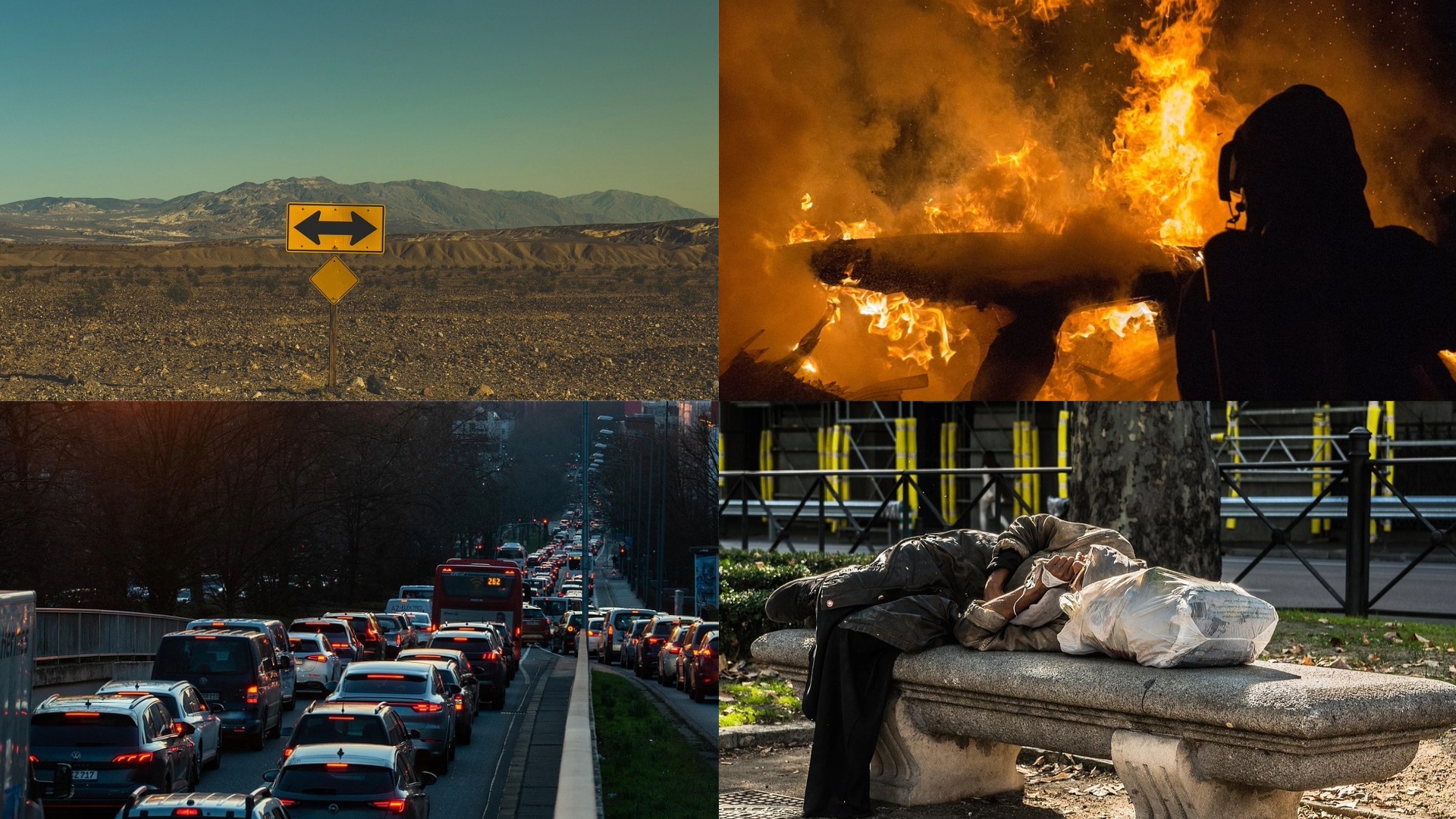
The dark side of L.A.’s Olympic dream is becoming clearer as 2028 approaches: massive people displacement, increased policing and accusations that resources are being diverted from those who need them most. Security is always a priority for the Games, however the safety measures have begun four years out when this process usually occurs just six to 12 months prior to the Games, a potentially ominous sign.
While city officials promote benefits for all, activists argue the Games follow a familiar playbook: push out the vulnerable, militarize communities near Games sites and prioritize spectacle over genuine social progress. In this light, the question isn’t whether L.A. can host a successful Olympics—it’s whether the city’s most marginalized residents will survive the process.
“It’s an unacceptable gamble of public money,” NOlympics LA spokesman Eric Sheehan told the media. “Everything that we were told about these Olympics from the start has turned out not to be true,” he added. “We’re expecting a lot of negative consequences for Angelenos."
Click for bigger version
Click for bigger version
Economics
While economic gains are possible, experts also raise concerns about how Olympic spending may divert resources from essential public services. There’s also uncertainty about whether projected benefits will reach all Angelenos equally.
Yu, the economics professor, is optimistic overall but he also sees warning signs. “Cities overestimate Olympic benefits all the time,” he said.
While L.A. may avoid infrastructure waste, its residents still face opportunity costs. Public money is being diverted—quietly—toward projects aimed solely at 2028, including $2 billion in convention center upgrades and federal transit grants that prioritize venue access over neighborhood need. “If we’re not careful,” Yu said, “these Games could deepen inequality, not solve it.”
The Olympic Games have a long and well-documented history of financial loss, with many host cities falling short of their ambitious economic projections. Despite promises of boosted tourism, lasting infrastructure and global prestige, the reality is often runaway budgets, underused venues and overwhelming debt that impacts the city’s residents more than any other group.
Known as “The Olympics that broke the bank” in 1976, the Montreal Summer Games infamously went into $1.5 billion in debt. It took the city 30 years to finish paying it off, largely due to the massive cost overruns and corruption during the construction process.
In 2004, the Athens Olympics ran more than $15 billion over budget, nearly double the original estimate and many of the venues fell into disuse shortly after the Games. The spending ultimately led to Greece’s economic crisis in the following years and is a clear example of how hosting Olympics can financially destabilize a country.
LA28 has the potential to further destabilize California’s already fragile financial situation. The state is currently facing a multi-billion dollar budget deficit and hosting an Olympic Games—despite claims of private funding—could lead to unexpected public costs for areas such as: security, infrastructure and emergency services. If revenues fall short or expenses spiral, taxpayers may be forced to absorb the losses, compounding fiscal stress in a state already struggling with housing, transit and social service challenges.
Transit
Critics are worried that L.A.’s ambitious vision for improved transportation will fail to meet the mark. They also worry that Olympic transit upgrades may prioritize visitors over local needs. Concerns include funding shortfalls, accessibility gaps, and the long-term viability of projects beyond the two-week event.
Matute, who is optimistic, also pulls back the curtain on the Games’ broken promises: “The transit system still fails people with disabilities, low-income riders and those who travel the longest distances.”
The city’s ADA lawsuit settlement remains largely unfulfilled. Metro is relying on billions in yet-unsecured funding to run a supplemental Olympic bus network—while the Games' "car-free" label is mostly branding.
“We’re building a transit plan for athletes and VIPs,” Matute says. “Not for the people who clean the venues or serve the meals.”
Add to that the uncertainty of councilmembers blocking bus lanes in their districts, and you get a portrait of mobility as privilege.
Monica Reyes is a single mother and daily commuter from Boyle Heights in East L.A. She works as a host in a hotel in Downtown L.A. and uses the Metro Bus Line 18 which runs along Whittier Blvd into Downtown. The bus is often slow and overcrowded during peak hours and on a good day it takes her about 45 minutes door-to-door. But if there’s an accident or construction, it can easily stretch to over an hour.
“Traffic’s already a nightmare on a regular Tuesday—I can’t imagine what it’ll be like with the Olympics in town,” Reyes said. “Just getting my kids to school and myself takes over an hour most days, and now they’re talking about road closures and security zones? Actual people live here.”
Reyes is most worried about the rerouting of buses and traffic blockage that isn’t just inconvenient—“it’s also my paycheck and my kid’s drop-off.”
Olympic Perspective
Not everyone views LA28 as a positive development or feels the Olympic spirit.
Advocacy groups warn that past Olympic host cities have seen increased displacement, policing and social inequality—and they fear L.A. may follow the same path.
NOlympicsLA, an activist group opposed to the 2028 Summer Olympics being held in L.A., has argued for nearly a decade, since 2017, that the Games will exacerbate displacement, militarization and the erosion of democracy.
The group shares chilling stories: Entire families pushed out for hotels near venues. Police sweeps clearing unhoused communities. The federal National Special Security Event (NSSE) designation has brought ICE, DHS and the Secret Service into the city’s daily life—two years ahead of the Games.
The LAPD wants 3,000 new officers, the group argues, meanwhile, housing programs remain broken, with cash-for-keys deals pushing families into homelessness.
“Any benefit from the Games,” Eric Sheehan says, “will be outweighed by the negatives.” These are the costs that no one tallies, according to NOlympics LA.
No one, NOlympics argues, is truly accountable.
Mayor Karen Bass argues the opposite.
“The 2028 Games are said to be the largest peacetime gathering in human history,” she says. “Public safety is a top priority and the expedited National Special Security Event (NSSE) designation for the 2028 Games has allowed for early preparedness and planning to keep Angelenos and visitors safe during the Games.”
LA28 faces major financial and social policy challenges. According to the Olympic budget and per lawmakers in the City of L.A., taxpayers bear significant risk with the city covering the first $270 million overruns and the state covering an additional $270 million. The $6.9 billion budget also excludes infrastructure costs, particularly transportation upgrades, creating additional financial uncertainty.
Housing displacement and gentrification threaten homeless and low-income residents, with affordable housing resources potentially diverted to security measures.
Communities near Olympic venues could also experience increased pressure from rising property values and lack of adequate input and planning decisions. The lack of transparency in planning and decision-making processes places a significant risk on the backs of Angelenos and one South Central resident is all too familiar with the city’s routes and its failed promises.
“They say the Olympics are for all of L.A., but that’s a damn lie,” said retired MTA mechanic Raymond Jackson. “I’ve watched the city promise investment, watched them push people out, then bring in tourists like we’re supposed to clap.”
Jackson is skeptical: “They can spend billions making the city look pretty for two weeks, but where was all that money when neighbors needed support or when the buses were breaking down every week?”
For many Angelenos, it’s clear the Games aren’t saving L.A., instead they’re just putting a new coat of paint over the same old cracks.
Do You Think LA28 Will Be A Success?
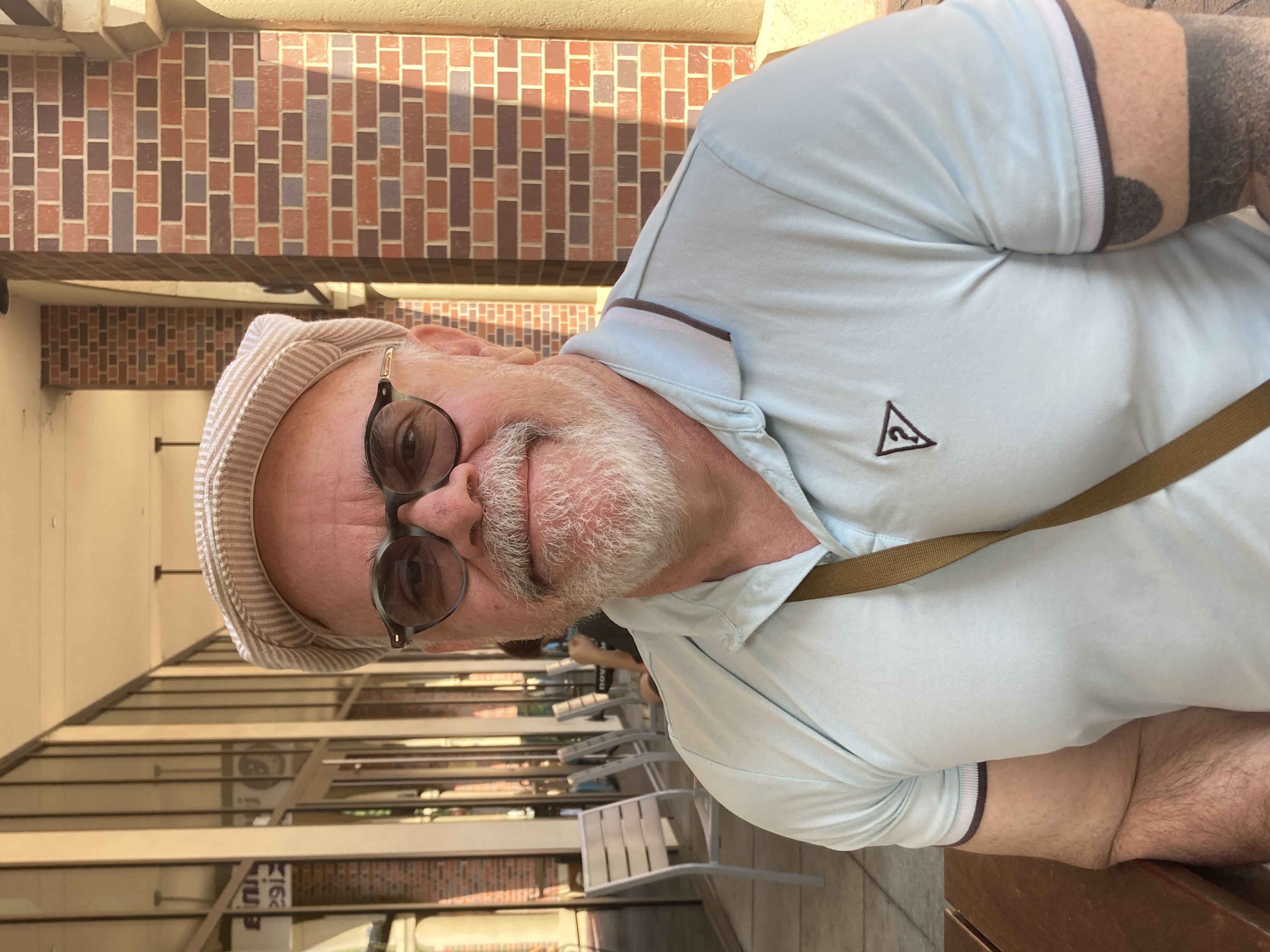
Mark Jackson
Writer
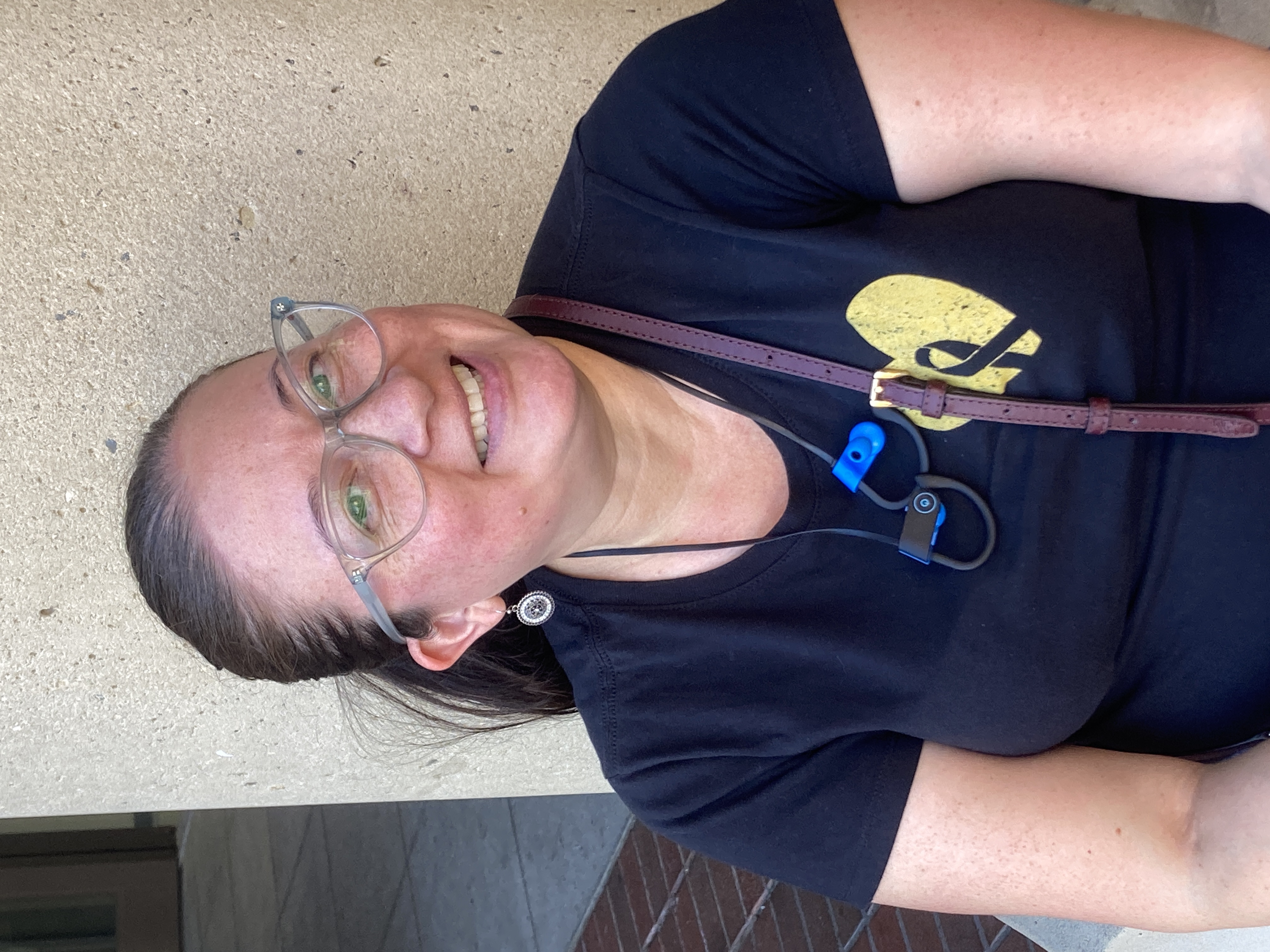
Cynthia Schirmer
USC Staff member
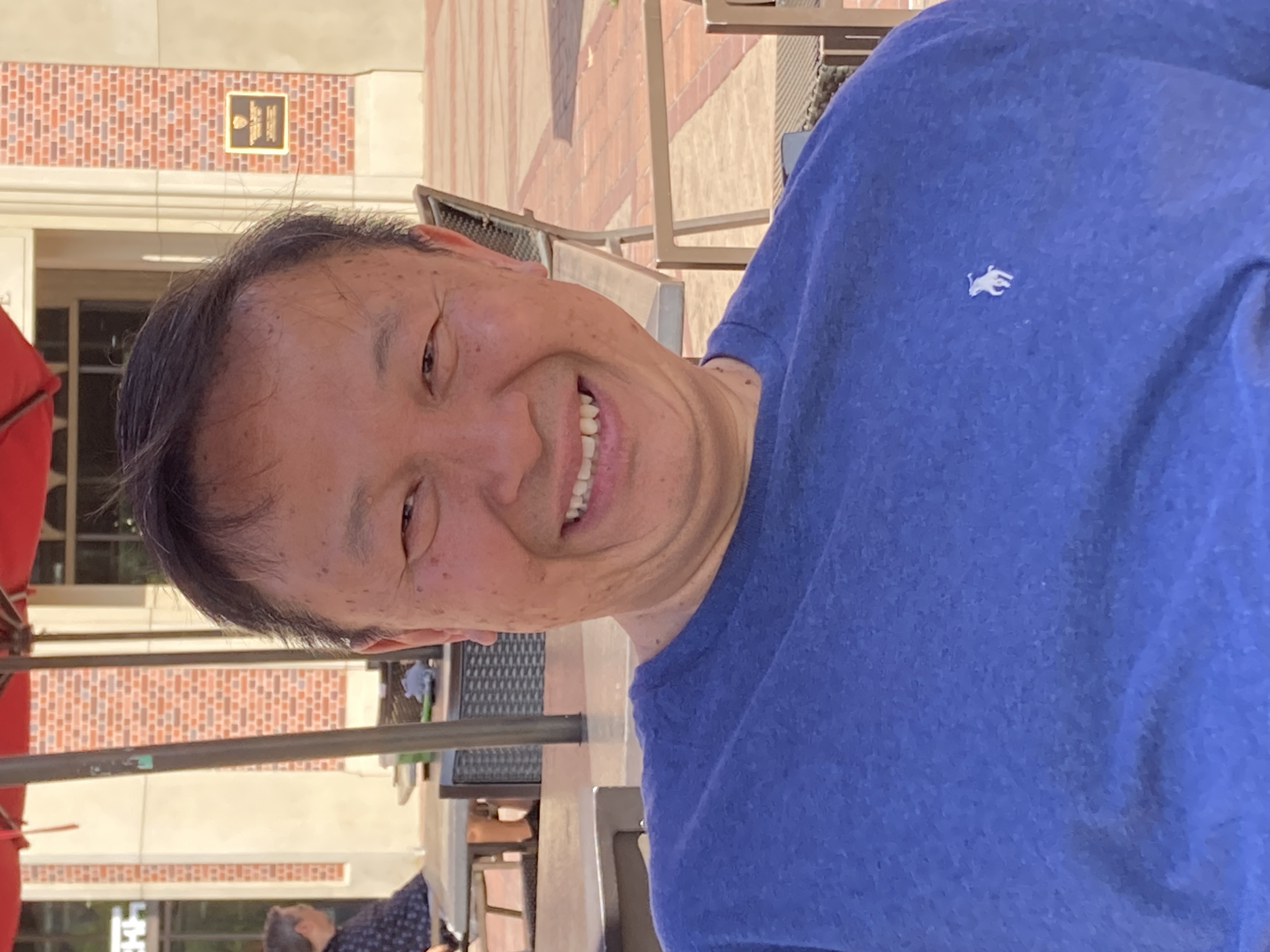
Tony Diep
Tourist
Where Do You Land?
You’ve now heard both sides. The optimism. The warnings. The visions and the lived experiences. The Olympic torch is on its way to L.A.
Now, the question turns to you. After reading, what kind of light do you think the Games will shine? Should the 2028 Olympics take place in L.A.? Is L.A. truly ready? Feel free to input your thoughts below.
Do you think the LA games will be a success?