The Michelin Guide recognizes restaurants across the globe for their efforts in culinary excellence and sustainability, including multiple restaurants across Los Angeles.
By Elizabeth Therese Carroll
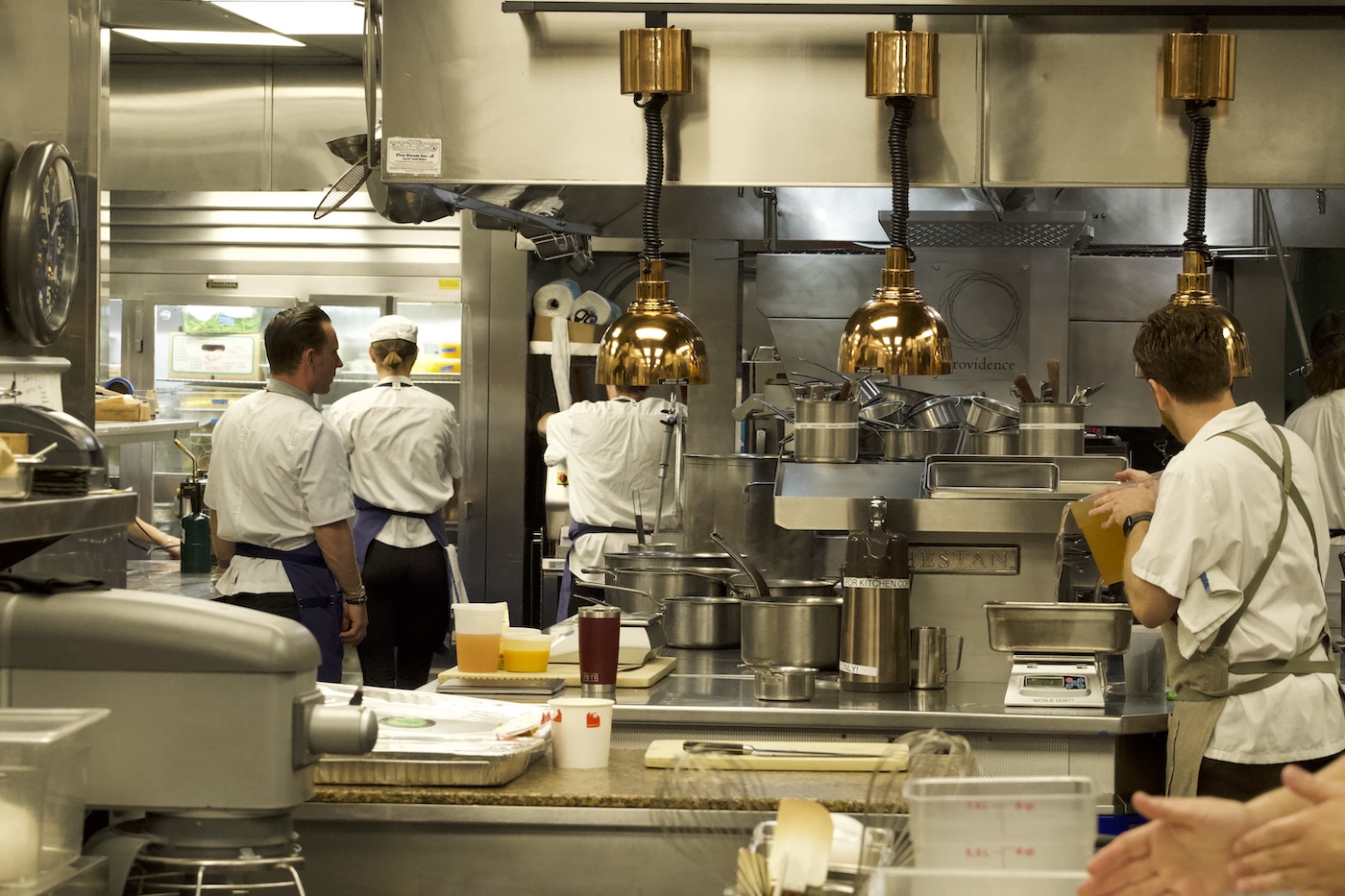
The smell of basil and the sound of bees fill the air. The chefs of Providence are busy picking and preparing fresh ingredients for the night’s three-star meal.
Walking in through the heavy door, guests are transported into the world of fine dining in Los Angeles.
Dark wooden tables are scattered around the teal-colored room. A large, white beaded art piece hanging from the wall that immediately calls for your attention. Warm lighting graces the dining area and adjacent bar, where rows of top-shelf liquors are on display for guests to select from. The comfortable chairs and place settings that spare no attention to detail heighten diners’ anticipation for their meal.
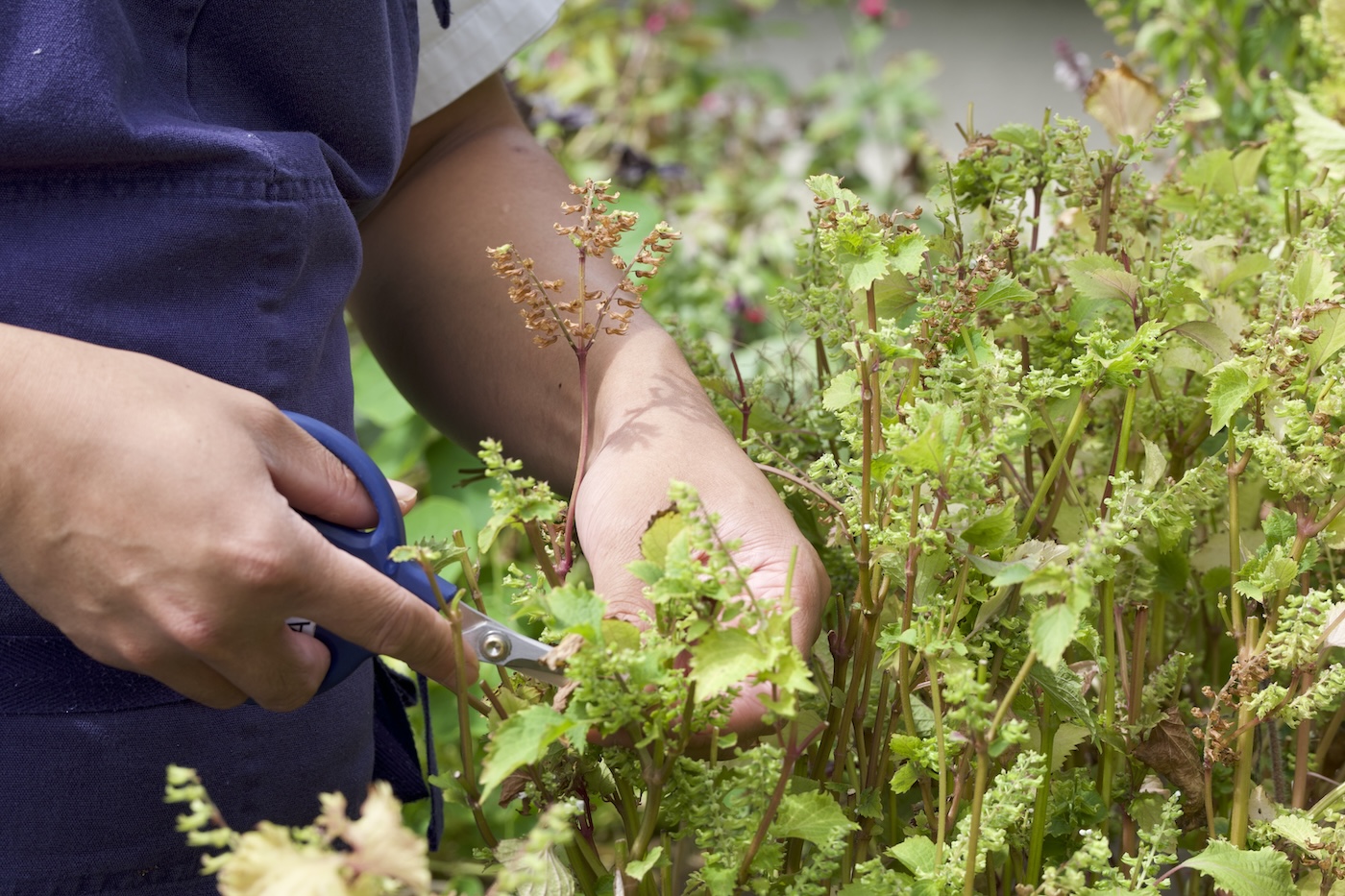
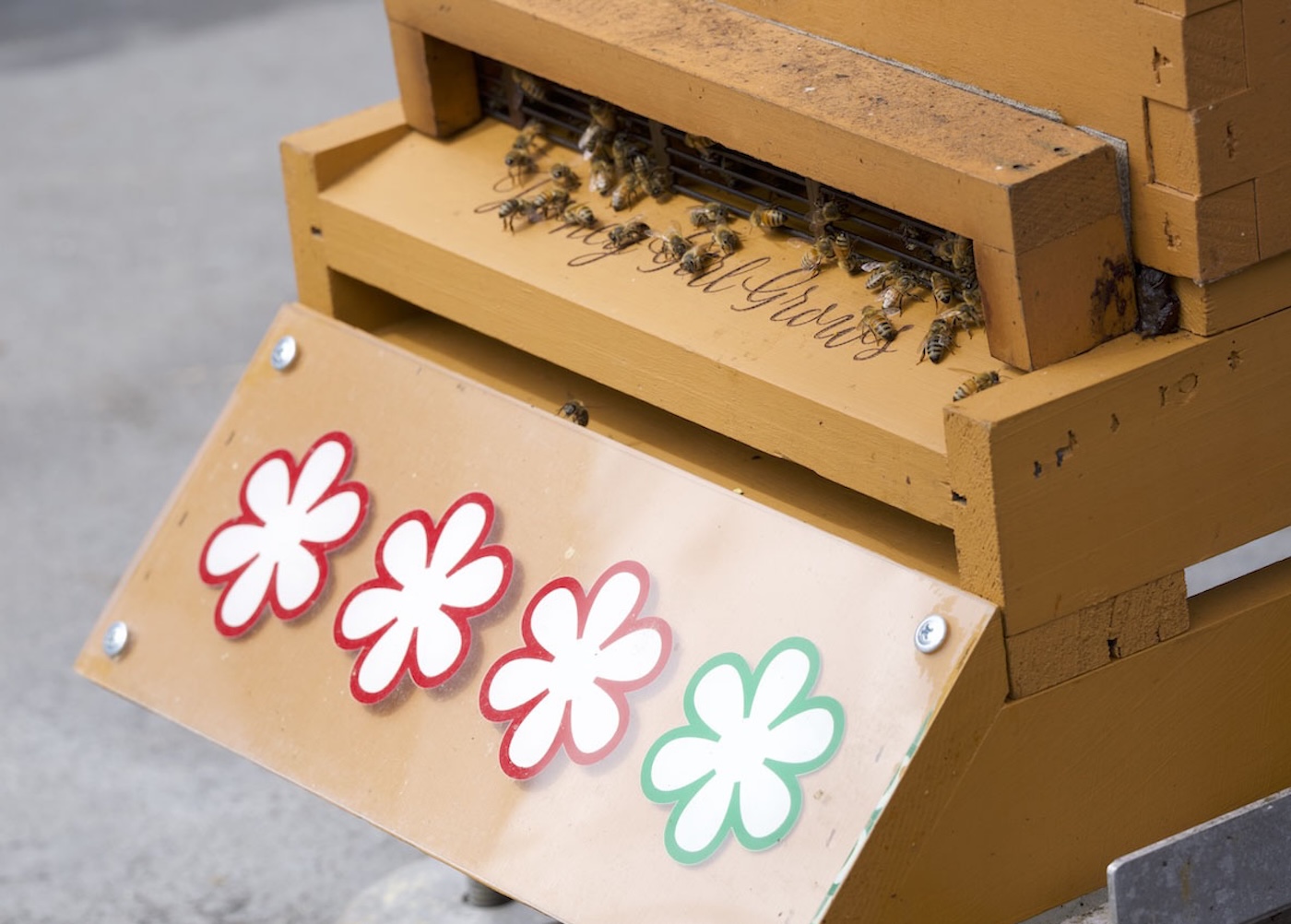
However, what the guests cannot see from the dining room is the large fish tank filled with locally caught, vibrantly colored prawns hiding behind the doors to the kitchen, the herb garden perched on the roof, the two bustling beehives producing fresh honey, or the chocolate room where not even the cocoa bean husks go to waste.
“Why don’t we just grow and pick what we need for the day, as opposed to having this endless cycle of waste,” said Providence’s chef de cuisine Tristan Aitchison. “Now basically the entire roof is covered with raised beds.”
In 2025, hundreds of restaurants across the world earned or maintained their Michelin Guide recognition for efforts in sustainable gastronomy, the Michelin Green Star. Seventeen of those restaurants are in California, with four of them calling Los Angeles home.
Throughout the last five years in the U.S., the Michelin Guide has been recognizing restaurants of all styles and ratings with Green Stars based on their sustainable practices. According to the United Nations, sustainable gastronomy is the making and eating of good food that “takes into account where the ingredients are from, how the food is grown and how it gets to our markets and eventually to our plates.”
“Every restaurant from the Michelin Guide’s selection – no matter its culinary distinction – can receive a Michelin Green Star if its involvement in sustainable gastronomy is particularly impressive and inspiring,”
— Michelin Chief Inspector
“Every restaurant from the Michelin Guide’s selection – no matter its culinary distinction – can receive a Michelin Green Star if its involvement in sustainable gastronomy is particularly impressive and inspiring,” said the chief inspector of the Michelin Guide North America. “There is no specific formula for awarding a Michelin Green Star, as every restaurant and its surrounding region has a unique set of conditions… no two restaurants will be alike.”
Inspectors of the Michelin Guide remain anonymous to ensure they are not recognized by restaurateurs, guaranteeing unbiased and authentic dining.
The Michelin Guide awards its green star annually, similarly to the standard three stars. The Guide states that restaurants bestowed with the honor display culinary excellence and commitment to the ecosystem through their sustainable practices. Inspectors often look for a variety of qualities displayed by the restaurant, including, but not limited to, their ingredient sourcing, environmental footprint, and “the communication between the team and the guests about the restaurant’s sustainable approach.”
Providence, a seafood-forward restaurant in Hollywood, has been praised as a “wonderful example of consistency and evolution” by Michelin.
The restaurant has been earning Michelin’s coveted stars since 2008—just three years after its opening—and most recently gained its third Michelin star in 2025. With their many efforts to practice sustainability, Providence has become just one of 38 restaurants across the world to achieve both three Michelin stars and one Michelin Green Star, the company’s highest recognition.
“I think deep down that was always the long-term goal, to get that recognition, but I think that on the macro level it was about hard work and consistency. Procuring the best ingredients, as far as the kitchen is concerned, and treating those high-end ingredients with respect,” Aitchison said. “We always maintained a discipline to try and be sustainable and local, the best we could.”
From sourcing organically and locally to ensure freshness and boost the local economy, to the small, often unnoticed details, such as the compostable wrappers that surround their in-house dark chocolate bars, the restaurant makes it a point to be as eco-friendly as possible.

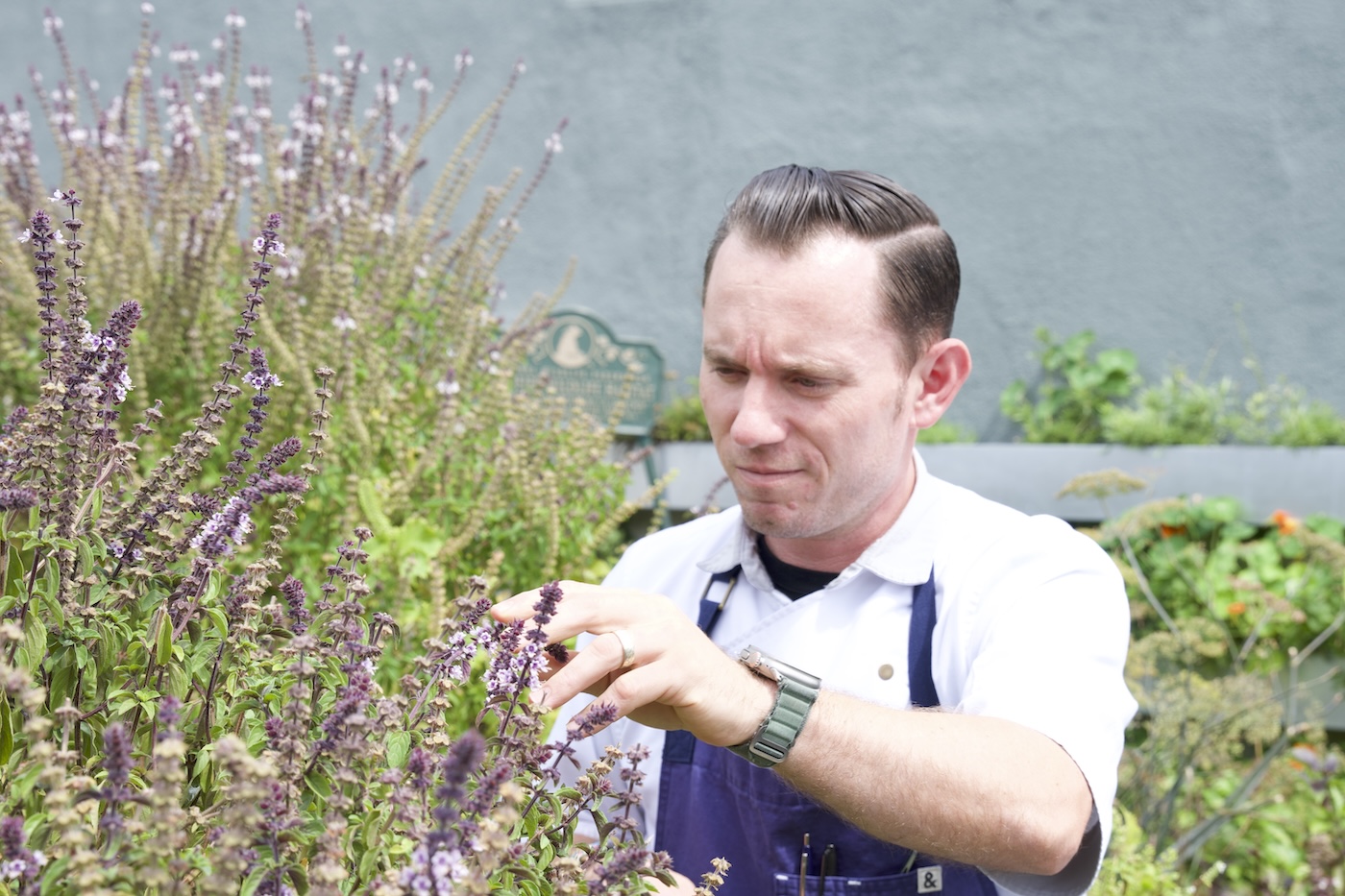

Aitchison visits the Santa Monica farmers market twice a week to source produce for the restaurant, seeking seasonal produce that will ultimately dictate the menu’s offerings, as well as partnering with farmers for necessities such as citrus and grains for the pastry department. Other herbs are grown on the restaurant's rooftop in their raised-bed garden.

Chef Tristan Aitchison
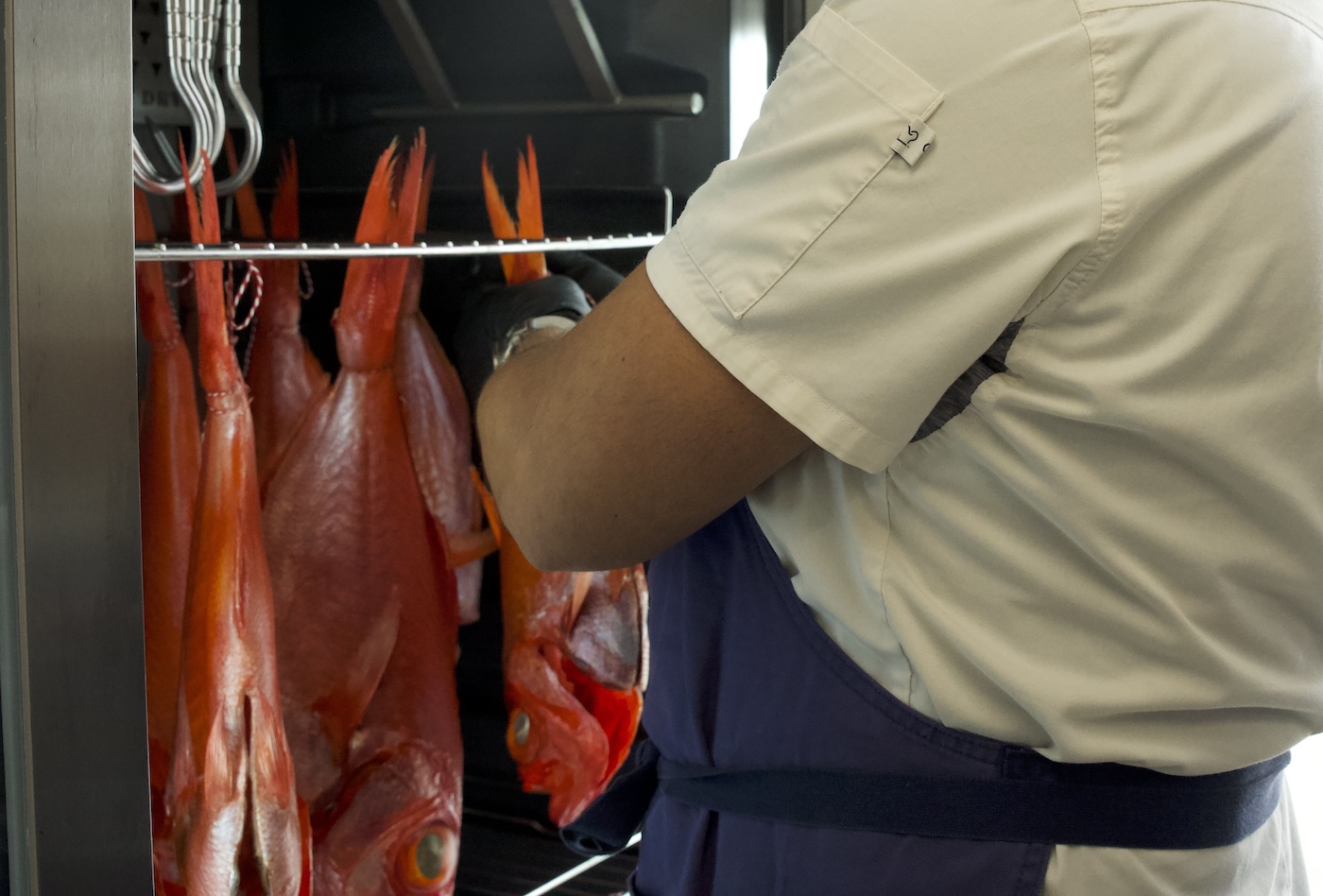
The most important ingredient of Providence, their fish, is caught by local fishermen and is as fresh as a restaurant can get it.
“I do know for a fact that Michael Cimarusti gets the freshest seafood there is, and you can’t go wrong with that,” said Mona Holmes, editor for Eater L.A., praising Providence’s head chef and co-owner, Michael Cimarusti. “I give them a lot of credit. There are people who specifically fly into L.A. to book a table, just so they can go to Providence. It’s kind of remarkable what they’ve been able to accomplish.”
Holmes applauded all of the chefs at Providence for their “seamless service,” comparing the work in the kitchen to a ballet dance and recalling her unforgettable visit as one of the “best meals that [she’s] ever had.”
Holmes wrote about her time observing the inner workings of Providence in her article, “How Providence’s Pre-Dinner Meeting Is the Key to Its 17-Year Dominance in Los Angeles.”
While the Green Star or any of the Guide’s recognitions are highly sought after by chefs and restaurateurs alike, it seems as though the rating means much less to the general public.
Being in the food scene at Eater L.A. for the last eight years, Holmes has noticed that diners in younger generations do not take as deep of an interest in Michelin’s ratings as the generations prior.
In part, Holmes blames Michelin’s nine-year disappearance from the L.A. food scene.

Eater L.A.'s Mona Holmes.
“I don’t give a lot of credit to the Michelin organization for driving conversations around restaurants and sustainability, given how they’ve treated Los Angeles in the past,” Holmes said. “They decided to say very casually that Los Angeles doesn’t have real restaurant culture without really having a strong understanding of what Los Angeles is.”
Recommended by Holmes, fellow Eater L.A. journalist Matthew Kang published multiple articles in 2019 on the guide’s abandonment of California’s largest city. In his article, “The Michelin Guide Is Coming Back to Los Angeles,” Kang quotes an interview with former Michelin Guide director Jean-Luc Naret, in which Naret states that “the people in Los Angeles are not real foodies,” and insinuates that the world of fine dining mattered very little to local Angelinos.
Holmes has also noticed that Eater’s younger readers are caring less about qualities such as sustainability. Instead, readers have expressed concern at larger problems facing them, such as the political climate, plummeting economy, and whether they have enough money to afford the monthly rent, let alone a Michelin-rated restaurant.
“They have bigger problems; they have to figure out how to appeal to a younger audience,” Holmes said. “I don’t think that Gen Z, or even millennials, really care about Michelin stars in a way that I think they hope they would.”
In a 2023 Reddit thread titled “How much do you care about the Michelin Green Star,” users left comments on what they believed did or did not deserve the recognition, alongside a poll of how much the star mattered to them in a dining experience. Nearly 50% of the poll’s voters claimed to have no care surrounding the star, while only 5% cared deeply about the restaurant's standings.
Still, the French tire company hands out its sought-after recognitions to honorable performances and consistency throughout the food and hotel industries.
Alongside their green star, Michelin symbols and ratings include the standard one to three stars, a Bib Gourmand, a Michelin recommendation, as well as comfort and quality recognitions.
With hopes of managing waste and making strides in sustainable efforts, the Michelin Guide will continue to offer up the Green Star to deserving restaurants at its annual awards ceremonies. The Michelin Guide’s next ceremony for California is set to be held in June 2026.