For years, Lubman’s deafness went undetected. It wasn’t until he was 5 years old that his parents took him to a doctor to run tests to figure out why their child would not speak. With wires connected to his head, all the results showed that Lubman’s wavelengths were normal, but he was unable to hear.
“My parents, being hearing, wanted me to be able to speak,” Lubman said. “So, I went to an oral school, that is where I started my education at the age of 8. Before that, nothing.”
Lubman started his educational journey with speech training before attending oral communication schools, quickly learning to lip-read and respond, a process that many generation of deaf students went through.
After years of attending the oral communication schools, Lubman and his family, originally from Nebraska, moved to California. Upon making it to the West Coast, he was enrolled in the California School for the Deaf in Riverside (CSDR), a boarding school where he would begin learning and utilizing sign language for the first time at age 13.
“That was my first deaf culture experience,” Lubman said. “When I would talk, I had a hard time making friends. So, I would turn my voice off [and sign].”
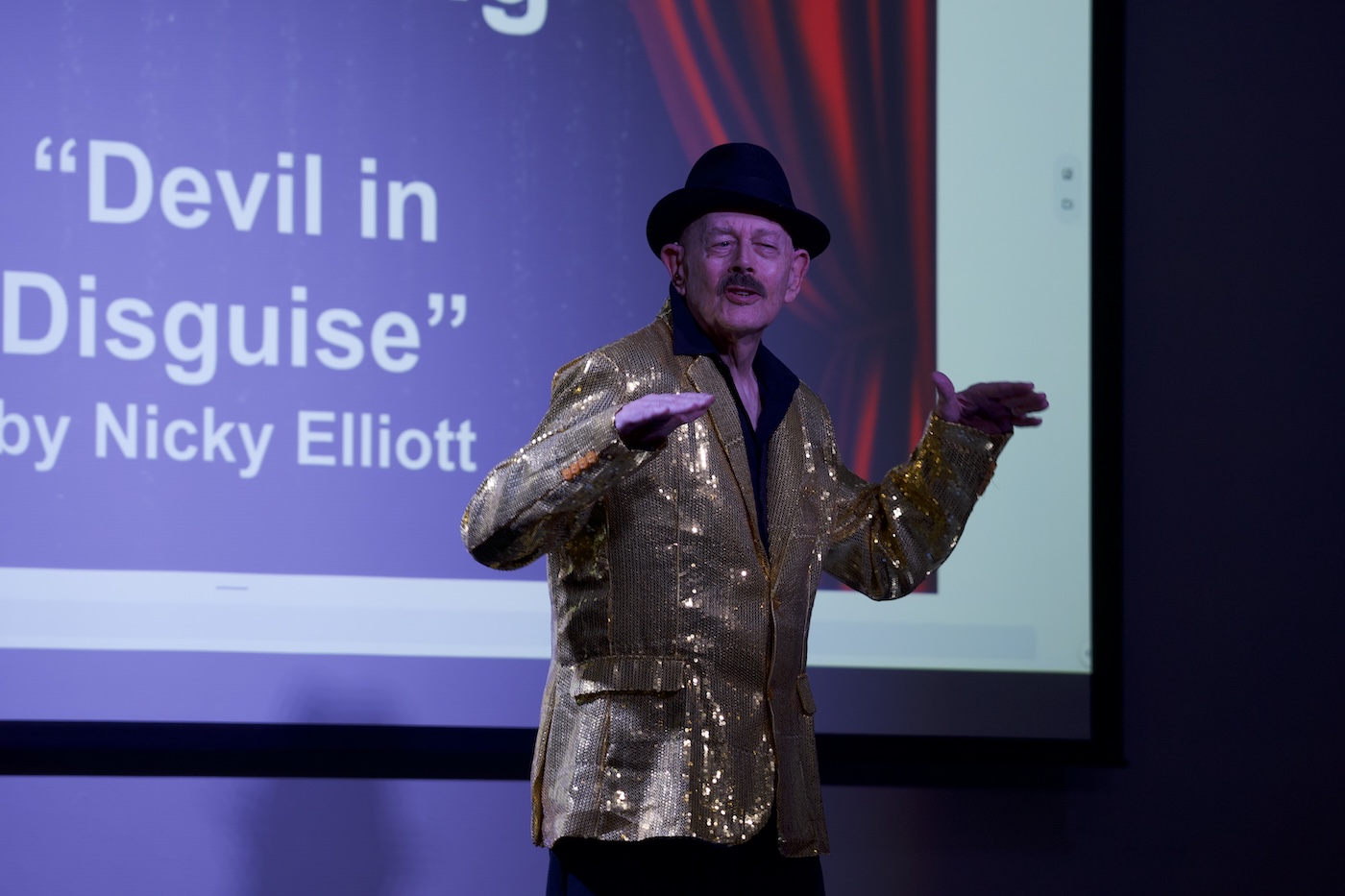
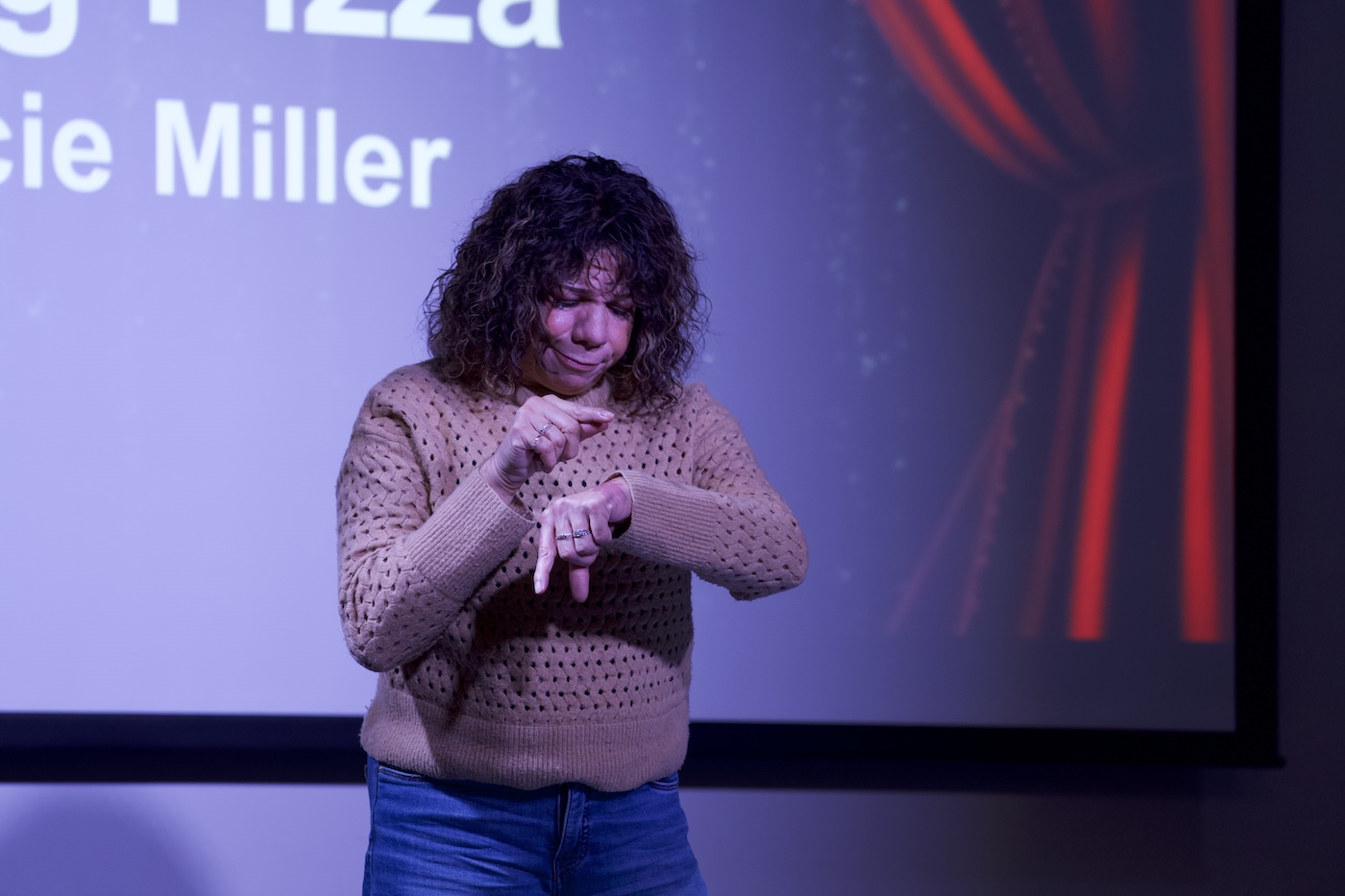
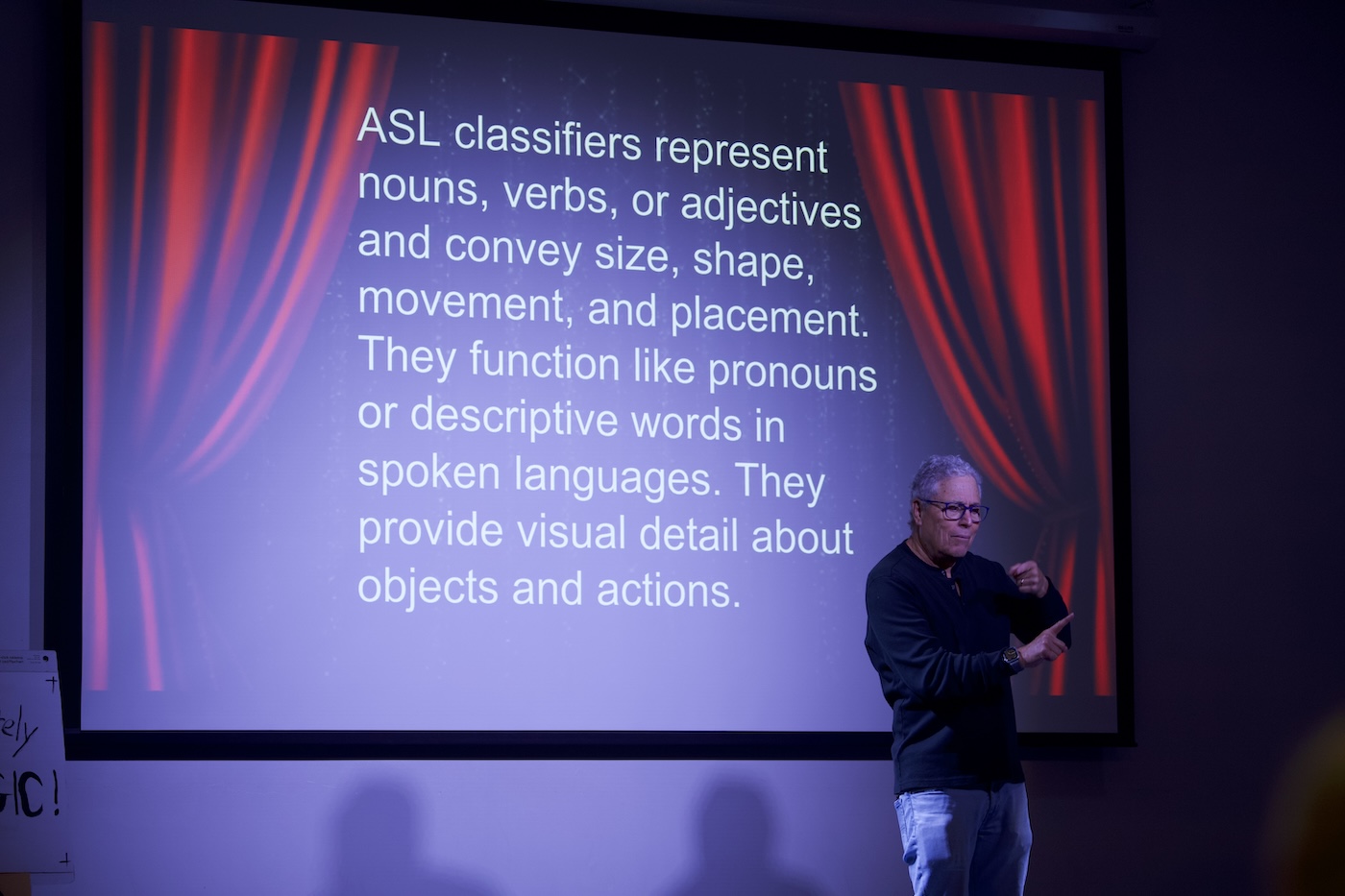
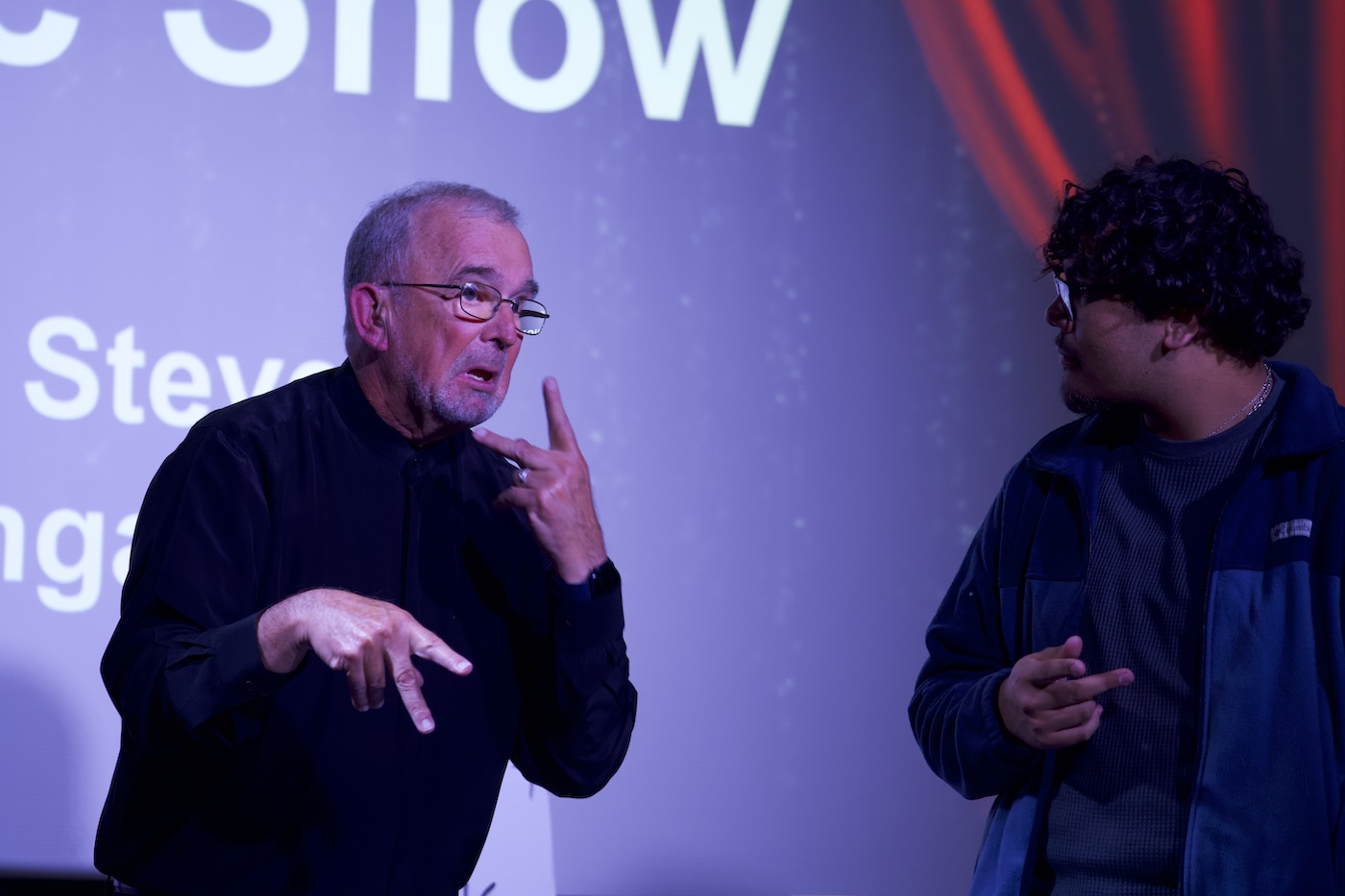
Just like Lubman, millions of deaf and hard-of-hearing Americans use ASL as a mode of communication and connection, “turning off” their voices and communicating in a way that feels the most natural to them. The language uses the hands, body, and face to tell a story with emotion, passion and character, just like Elliot’s performance at the variety show, dancing and signing to the song.
The National Deaf Center describes sign languages, including ASL, Black American Sign Language (BASL) and Plains Indian Sign Language (PISL), as “complex, natural languages” with their own unique grammar, vocabulary and dialect.
In his adulthood, ASL would take the lead in Lubman’s career as he worked in disability services for the state of California, overseeing deaf and hard-of-hearing programs and trainings. Eventually, Lubman became the statewide coordinator for Deaf Services before retiring from his 31-year career. But, over the last 27 years, Lubman has found a way to put his continued love for the language and community to use by working with hearing students eager to learn ASL at CSU Fullerton.
Since Lubman’s time in school, the education system has changed dramatically in favor of supporting people with various disabilities by providing various resources. In January 2025, California officially put into effect Assembly Bill (AB) 1938, focusing on full language access in schools for the deaf, hard-of-hearing and deafblind. The education system also adheres to AB 1836, ensuring that students have access to faculty members fluent in sign, as well as access to educational programs and extracurricular activities. This means that all students, regardless of disability, have the opportunity to feel included in clubs, sports, and other crucial learning environments within the education system.
Nationally, the Individuals with Disabilities Education Act (IDEA), created in 1975, is a law that protects the educational rights of children with varying disabilities, including deafness. But, with President Donald Trump’s recent efforts to dismantle the Department of Education, which currently controls the IDEA efforts, resources provided by the IDEA could be shifted to the Department of Health and Human Services.
Nasser Cortez, Associate Professor of Clinical Education at USC Rossier, expressed concerns for the future of the special education system. Cortez expressed that between staffing cuts, disappearing grants and funding, and the loss of Medicade and other health services, he is unclear of what the future of learning will look like for students with any disability.
“Funding that can support training, that can support research on things like assistive technologies that can help the deaf and hard of hearing community is being slashed,” Cortez said. "I am just hoping that these changes don't have the drastic impact that I imagine they're going to have."
Regardless of the national outcome, Lubman hopes to continue to bring education and joy to all the members of his community, regardless of disability.
“I just love it,” Lubman said, and it seems like his community feels equally toward him.
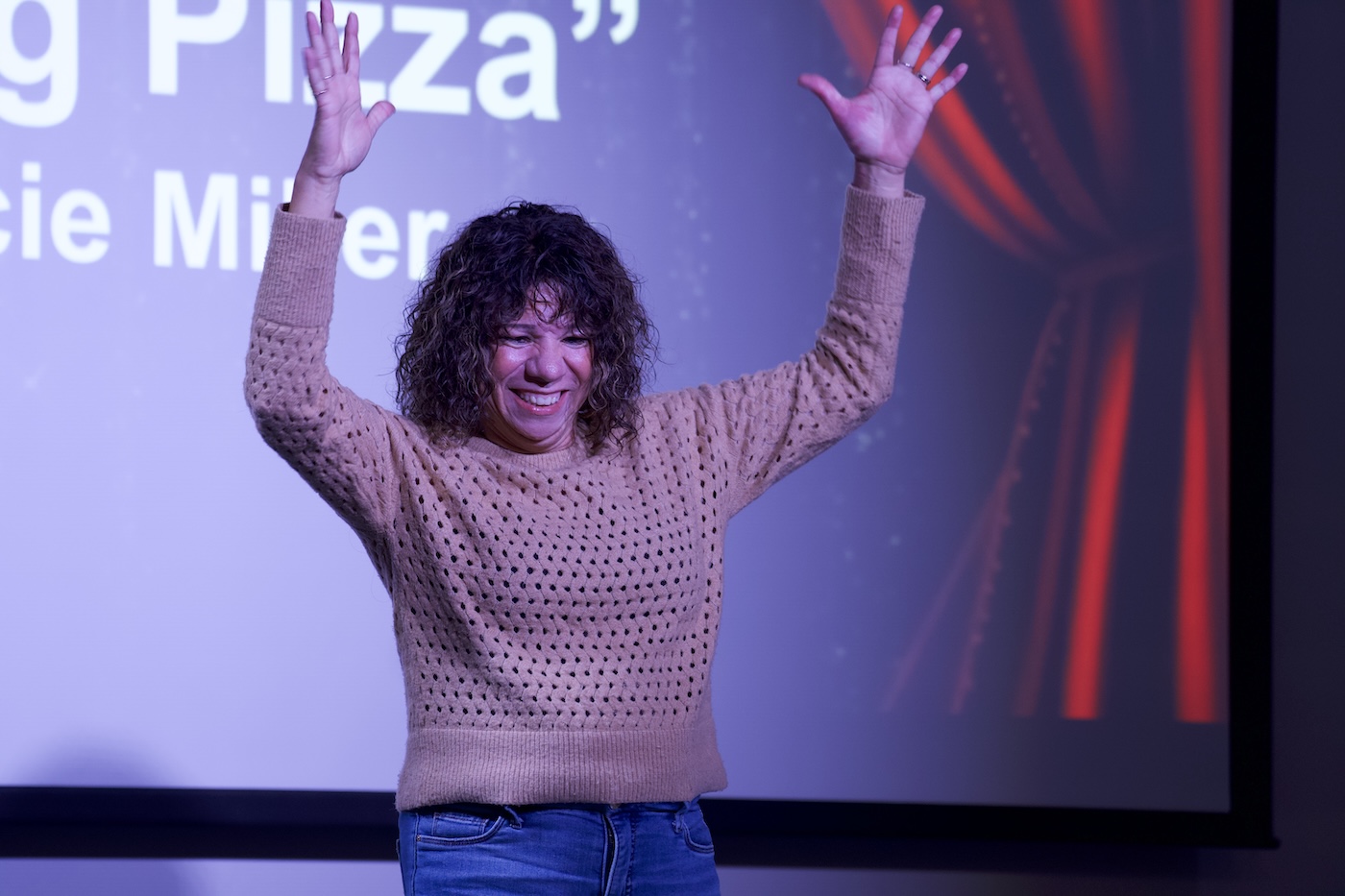
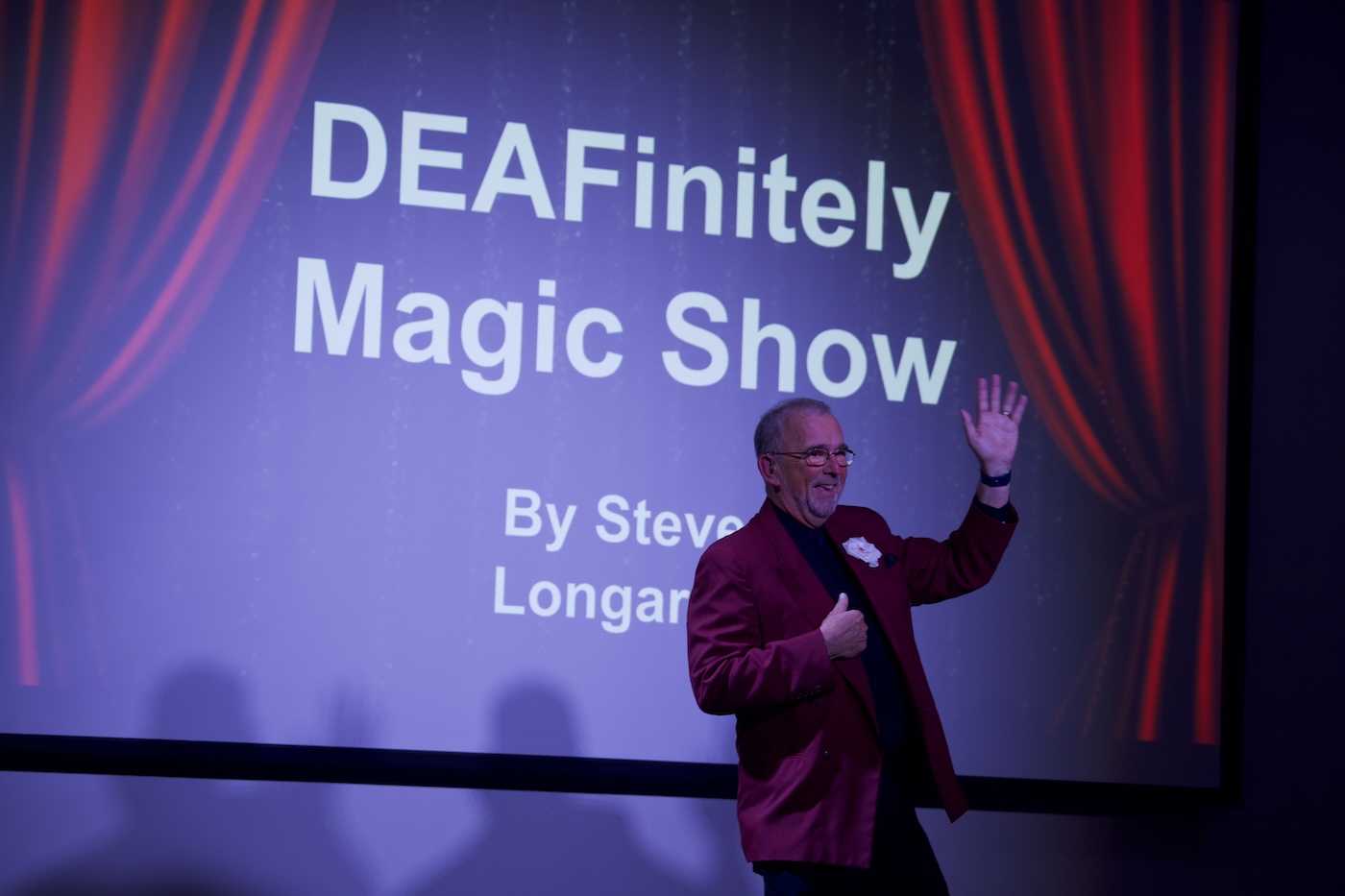
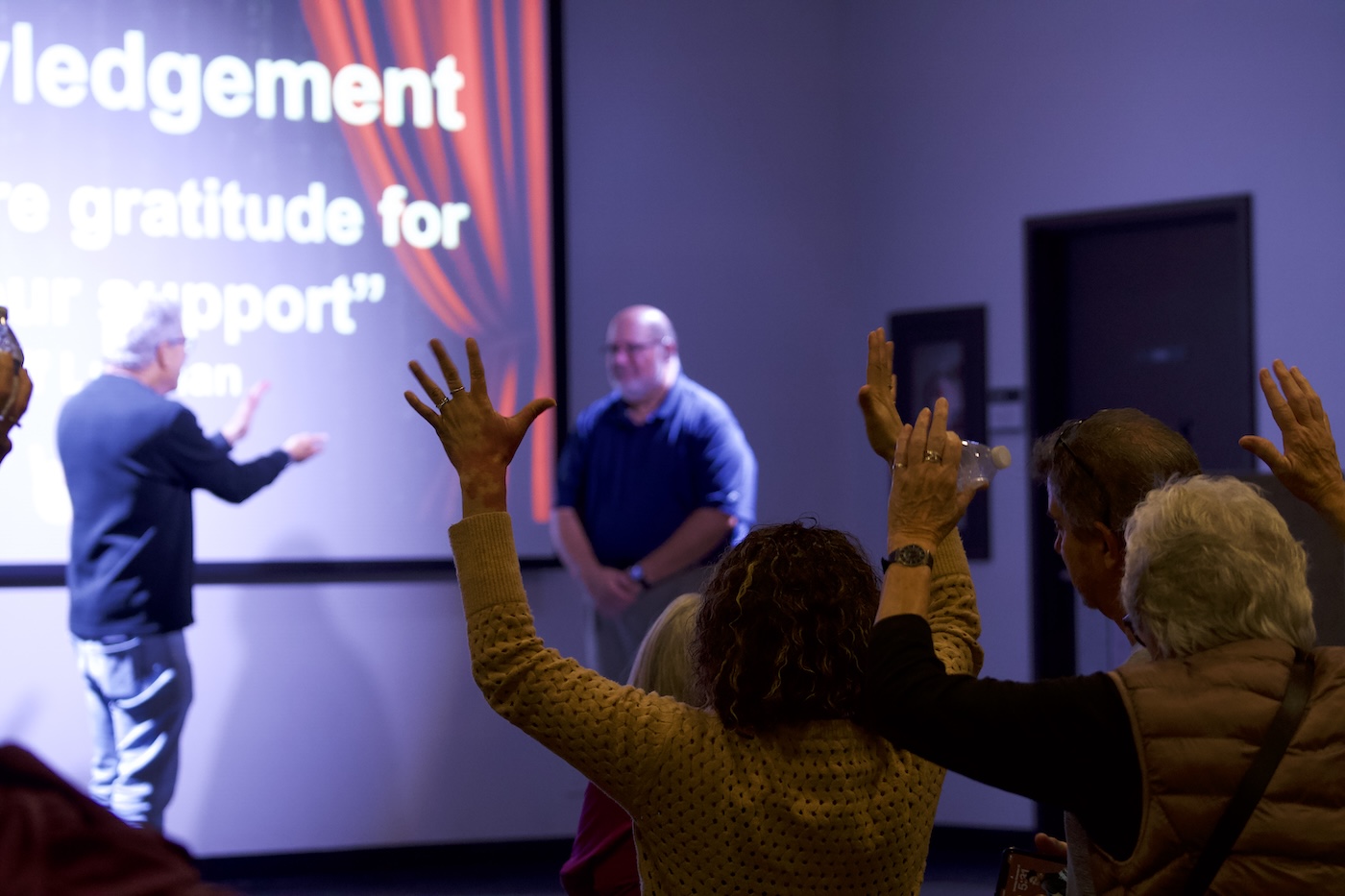
As he stood on the stage closing out the show, a roar came from the audience and Lubman received a standing ovation. Hands are thrown in the air, celebrating the success of the night.
“The ASL Variety Show was important because it created a shared space where deaf and hearing individuals could come together through performance, language, and culture,” said Jabbour. “For the deaf community, it provided a platform to showcase identity, creativity, and pride. For hearing attendees, it offered an opportunity to experience ASL as a rich, expressive language, not just a communication tool, and to better understand the cultural depth behind it.”
Proceeds from the ASL Variety Show went directly back into helping the deaf community, with ticket sales going toward Deaf Pickleball USA’s upcoming 2026 tournament, promoting one of the nation's new favorite sports and most underrepresented communities, according to Lubman.
Voices through art: Building Pantheon, one line at a time
Three pods of black ink sit in the corner of the table, accompanied by a dip pen and a sheet of paper. With a careful hand and years of experience, Awet Moges makes characters come to life on the page.
Moges, a graphic novelist living in L.A., sits in silence as he finalizes drawings for the next book in his series, Pantheon, before sending the pages off to his colorist. However, the silence is natural for Moges; he has been deaf since birth.
“When [my parents] found out I was deaf, they decided to stay here in America because the deaf education here is honestly just the best in the world,” Moges said. “I had a great connection with my parents, and they sign, my sisters too, so there was a lot of signing going on at home. But, I did feel alone in a hearing world.”
Originally from Eritrea, an East African country bordering Ethiopia and Sudan, Moges and his family immigrated to the United States when he was a child. His parents decided to stay in the U.S. for its strides in deaf education.
Moges would study ASL throughout his childhood, attend and graduate from Long Beach State University (CSULB) with his bachelor’s in philosophy, then Cal State University, Los Angeles with his master’s, eventually utilizing his knowledge of the language in his adulthood to become a full-time professor of ASL, Linguistics and Deaf Culture at CSULB. But, in his free time, he kept to his true passion for the arts.
“I think it all started when I realized that I didn’t have access to cartoons on TV,” Moges said.
Outside of the university walls, Moges is best known as the first deaf graphic novelist, with a thriving series of mythological comic books that tell the tales of a time after the disappearance of the human race. His tales often focus specifically on the Greek gods and what he believes were next in the cards for them, utilizing the myths he has read throughout the years, without retelling old stories.
“No access means you have to be more aggressive in finding information for yourself.” -Awet Moges
“I was always looking for new information and new data, which I think is normal for a deaf creative,” Moges said. “No access means you have to be more aggressive in finding information for yourself.”
Moges grew up, like many people in a minority, without seeing adequate, if any, representation of people like him within the arts.
“I didn’t have any role models growing up from the deaf community,” Moges said. “I am sure there are other deaf folks in the industry, but they are not writing, drawing, [or] creating.”
Now, alongside cuts to the education system, the Trump Administration declared in December that in the 2026 Fiscal Year budget, there are plans to eliminate programs, including the National Endowment for the Arts (NEA). According to their website, the NEA is an independent federal agency that funds the arts in communities across the nation.
With uncertainty looming over the endowment, California residents looking for grants and funding have access to the California Arts Council. The goal of the state agency is to strengthen California’s culture and use of creative expression with a vision of “a California where all people flourish with universal access to and participation in the arts.” The agency also administers the Administering Organization grant for “Arts and Accessibility,” granted specifically to disabled Californian artists.
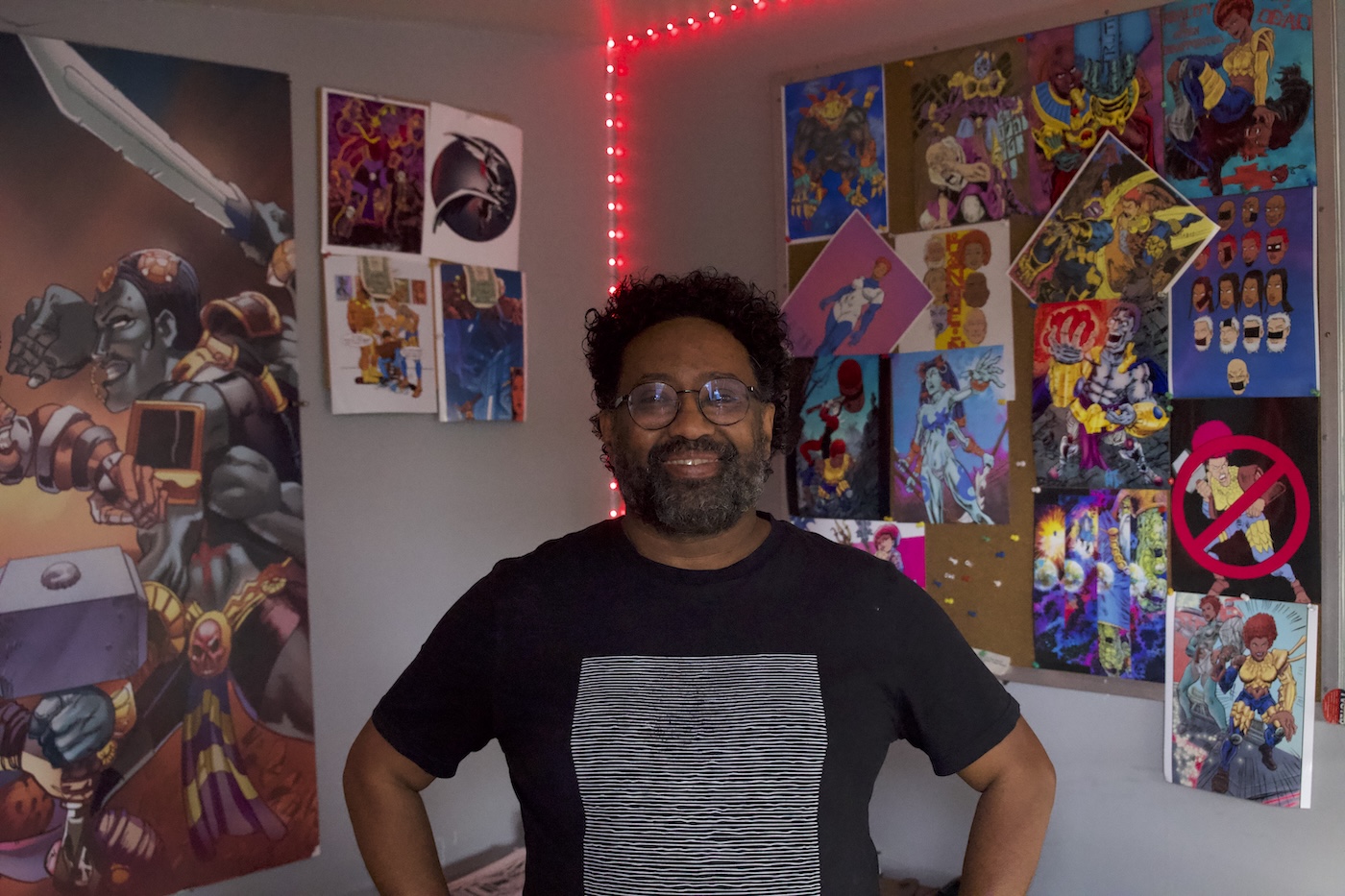
Writer and illustrator Awet Moges poses alongside various sketches and artwork for his graphic novel series “Pantheon.” (Photo by Elizabeth Therese Carroll)
Moges, now 52 years old, has become a role model for deaf children and adults across the nation as he continues sharing his passion and his artwork with his growing fanbase. In July 2025, Moges spoke on an all deaf panel at the 2025 San Diego Comic-Con and brought his artwork to inspire deaf and hearing participants.
“I met a boy who was maybe 7 years old. He asked, ‘You're a deaf artist, you did all of this?” Moges said. “I said, ‘Yes, I'm the first deaf comic book artist,’ and he replied, ‘I'm gonna be the second.’”
The community connection
The small room becomes louder as it fills with people eager to begin the Sunday service.
Cameras are readied to film the live YouTube recording, the band is testing their equipment, and teenagers and family members are all heard excitedly gossiping as a boy prepares for his baptism.
But, in the front left corner of the room, the church remains silent.
Kathy and Jermaine Cornish stand amongst friends happily greeting one another, but not with their voices. The Cornishs, alongside other church members, lead The Valley Church’s deaf ministry, welcoming the deaf and hard-of-hearing to participate in a fully signed, interpreted service.
“The deaf community will always be small, and the hearing community will always be large, but we will always live united,” Kathy said. “Here at the Valley Church, we learn about love.”
Located in Northridge, CA, the couple has been attending church since the mid-1990s, where they found a space that they could build lasting friendships and practice their faith. Both hard-of-hearing, Kathy takes on roles interpreting the songs, while Jermaine is in charge of watching the broadcast, checking the captions, and making sure the livestream runs smoothly. Most importantly, they greet returning friends and new members to the church, interested in what a deaf sermon has to offer.
Kathy Cornish interprets the song "Jireh" for the deaf ministry. (Video by Elizabeth Therese Carroll)
Community building plays a large role within deaf culture and lifestyle.
According to the CDC, building a community and staying connected with people provides feelings of belonging, love, value, and increased mental health. Living life with stronger bonds lessens the chances of severe illnesses, including heart disease, stroke, dementia, or depression and anxiety.
Community building lessens chances of severe illnesses, including heart disease, stroke, dimentia, or depression and anxiety. - According to the CDC
At the Valley Church, the community looks beyond disability, as people from varying walks of life come together in prayer and worship, teaching and loving one another along the way.
Deaf and hearing church members have prayed together, raised their families together, and grown up appreciating one another's cultures through their faith.
“Kathy took care of my boys, and that's actually where they learned sign language,” said Donna Boelke, a hearing church member and longtime friend of the Cornishs, talking about her hearing sons who grew up around the deaf ministry. “The great thing about our church, I think, is that they integrate everyone together.”
For deaf individuals looking to join social circles and build communities, the California Department of Developmental Services offers lists of resources and events, including family resources, education and advocacy, and mental health services.
...
The deaf community has persevered throughout the decades, facing disparities in education, the arts, and finding ways to build community and togetherness. Now, with crackdowns from the government, community members like Lubman, Moges and the Cornishs continue to show what makes the deaf, hard-of-hearing, and all people with disabilities, a unique and important portion of our society with rich history, culture, and a bright future.