Please turn on your speakers for an audio experience.
From the Ashes to the Break
How Malibu's Surf Scene is Holding On
Months after the Palisades Fire, Malibu’s surf community faces a coastline altered by pollution, uncertainty and a changed ocean.
By Carl Massad, Constanza Montemayor, Avidha Raha and Rosaura Wardsworth
Carolyn Day stepped out of her car at Topanga Beach and felt the sting of warm sunlight on her face. She paused, tasting the salt in the air — and the silence.
Tightening her grip on her dog's leash, Day pulled Bentley tight to her side. Slowly, she stepped over traffic cones and downed signs, remnants of the recovery still in progress.
"This was a world-class wave, and you didn't have a single person riding it."
— Carolyn Day
At the staircase, she stopped. After six long months, she could see what had become of the popular section of shoreline she considered home. And it looked empty.
"Look at this wave," she said, watching a break with no surfers in the water. "This was a world-class wave, and you didn't have a single person riding it. And you were gonna drive a mile and a half up the coast to Malibu, and you had 110 people. The surfers knew. It was not a fluke that nobody was riding these world-class waves. And we were sounding the alarm bell."
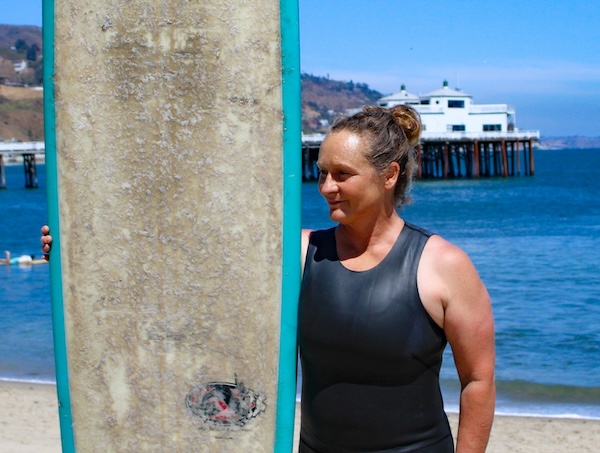
Carolyn Day at Malibu Surfrider Beach in late July. (Constanza Montemayor/USC Annenberg Media)
A longtime Topanga Canyon resident, Day had largely avoided her favorite beach since January, when three weeks of wildfire thrust her community into months of uncertainty, confusion and pain.
Many others have shared in her unease about returning to the beaches in the burn zone, Day said. Surfers have been especially attuned to notice the changes in their home turf, she added.
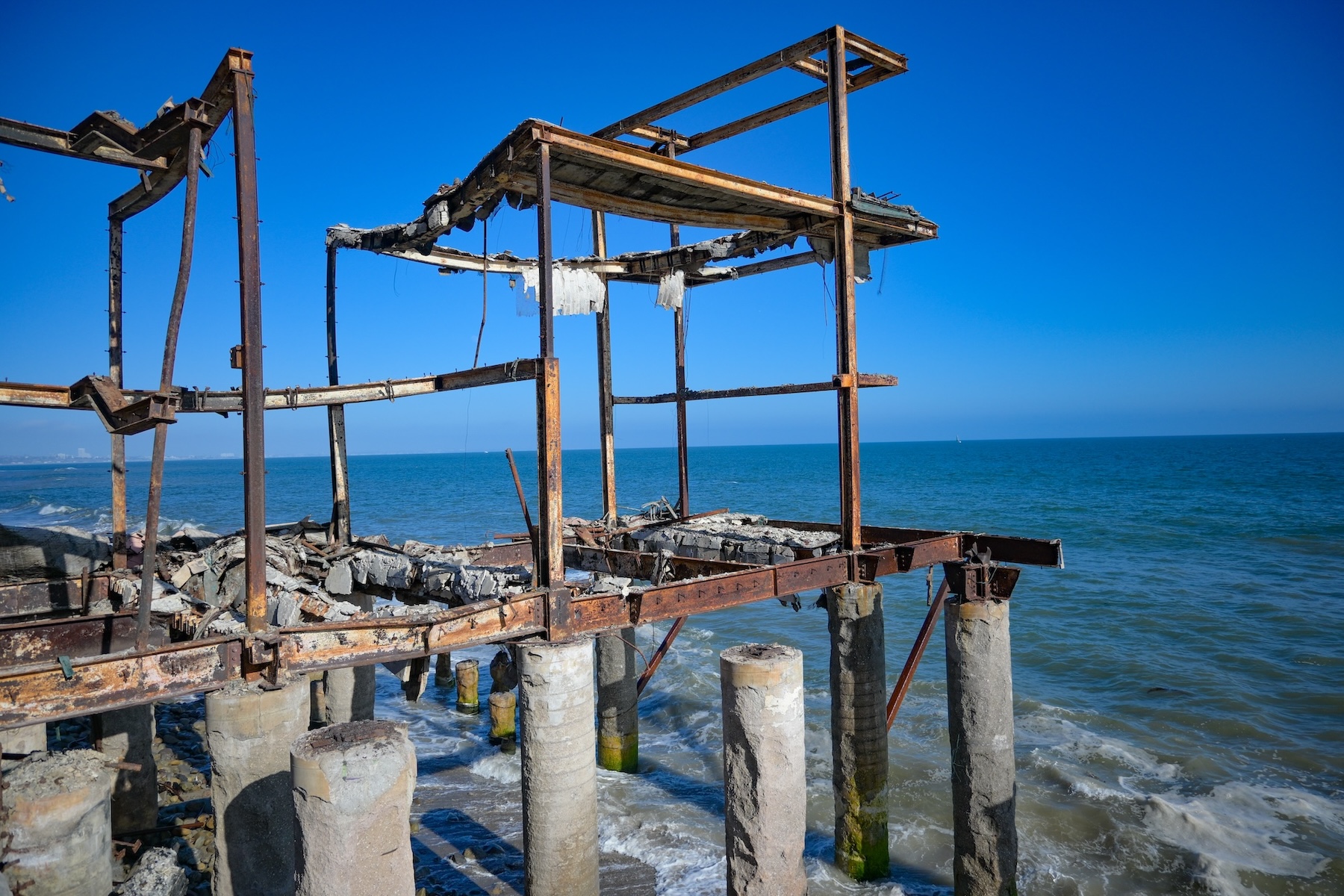
On Jan. 7, the Palisades Fire ignited, burning 23,448 acres over 24 days through eastern Malibu, Big Rock, Las Flores, and Topanga, according to Cal Fire. The blaze scorched miles of coastline. It destroyed more than half of the 12,000 residential, commercial and other structures impacted. Twelve people died.
The flames reached more than seven miles of coastline from Malibu Beach to Will Rogers State Beach, leveling surf country right up to the water.
In the weeks that followed, the surfing community faced uncertainty on all fronts. Surf shops struggled with financial losses, made worse by the prolonged closure of the Pacific Coast Highway, which cut Malibu off from its usual flow of tourists. Residents were left to cope with the loss of their homes and the disruption of their neighborhoods. Even the ocean, a place surfers had always turned to for peace, now raised unsettling questions. After wildfire debris such as twisted metal, charred wood and ash washed down to the shore, surfers began to wonder: what had become of the water they once trusted?
"I was not willing to bet my life as the surfer I am, and the people I love, and the frontline community, to what (pollution) was coming out of the storm drains and the creeks," Day said.
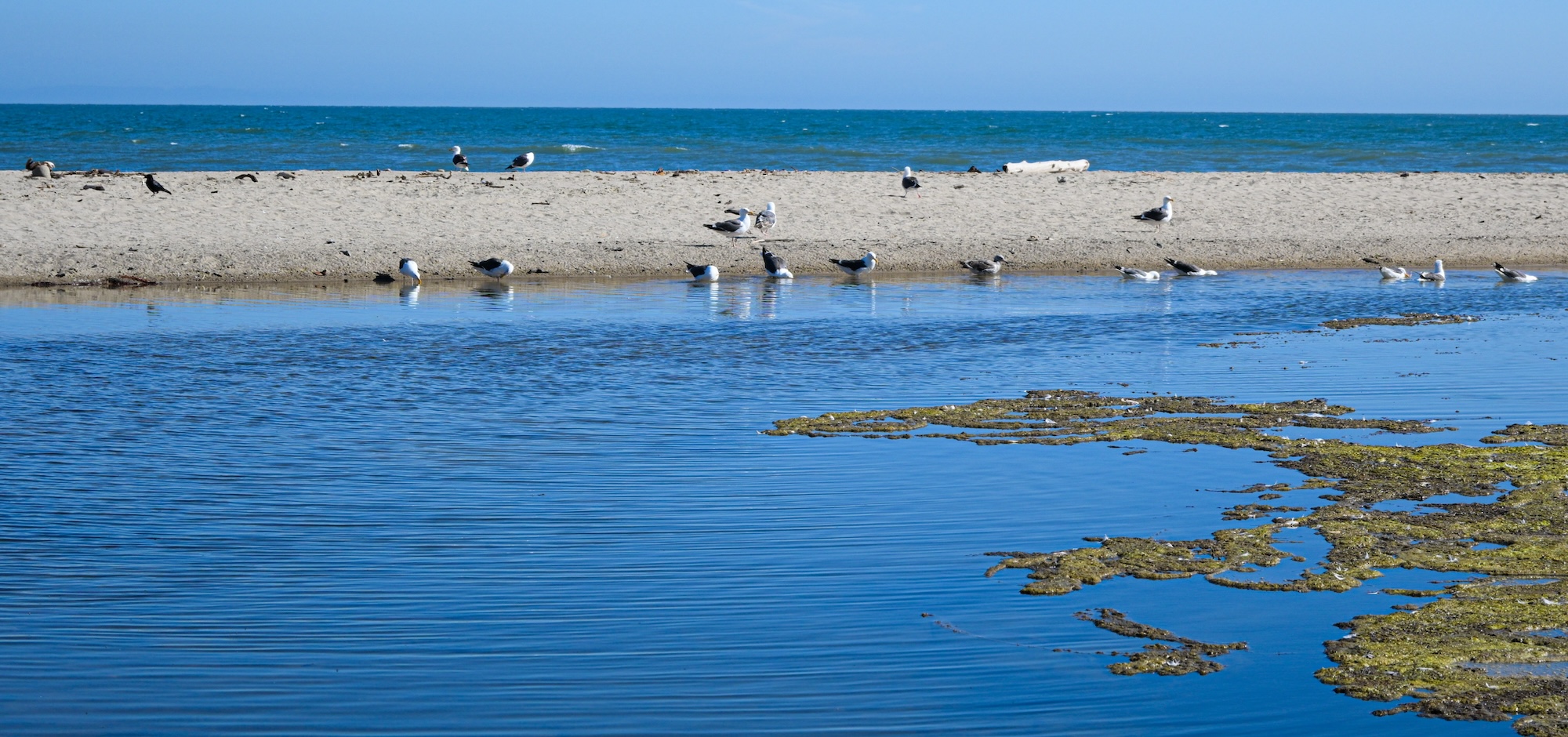
Constanza Montemayor/USC Annenberg Media
Avidha Raha/USC Annenberg Media
On Jan. 27, the Los Angeles County Department of Public Health issued an ocean water closure for beaches from Las Flores State Beach to Santa Monica State Beach "due to fire debris runoff and pollutants in the water and on the sand that may contain toxic or carcinogenic chemicals," the department said in an email.
On Feb. 11, the closure was downgraded to an advisory when ocean water sampling results from late January did not indicate impacts that would pose human health risks, the department said. The advisory was later lifted for the burn zone's beaches on April 9, after ocean and beach sand testing for nutrients, metals, polychlorinated biphenyls (PCBs) and polycyclic aromatic hydrocarbons (PAHs) — other potentially toxic or carcinogenic substances — "revealed no chemicals related to wildfires at levels that were dangerous to human health," LADPH wrote.
Nicole Mooradian, a spokesperson for the LA County Department of Beaches & Harbors (DBH), said more than 479 tons of debris have been collected from the burn zone in the months since the fires.
"That (number) doesn't include just trash that we've emptied from trash bins and such," Mooradian said. "Our crews have found a bathtub, they find pieces of metal, they find big pieces of lumber. They found a telephone pole at one beach."
LADPH wrote that although beachgoers may enter the ocean water and recreate on the sand at the fire-impacted beaches, they are advised to continue to avoid fire debris they might see in the water and "to avoid being on beaches on or near burned properties, as the fire debris may contain harmful substances and physical hazards such as glass, metal and sharp wooden debris."
Day said she was wary of the threat of pollutants lurking after the fire deposited tons of ash and debris throughout eastern Malibu and its waters. Surfers, she said, still talked about how something felt off; even in a culture used to shrugging off bacterial runoff warnings, many avoided Topanga Beach after the fires.
Click through the City of LA's interactive map to view images and information about specific properties damaged during the Palisades Fire, as assessed by Cal Fire inspections. Click for more.
"Every time it rains, I have to beg my husband, 'Please don't take the children surfing,'" Day said. "... There's a bit of magic thinking in the surfer world, but they're not applying that magic thinking to this situation, even though the government this time is telling us the sand is safe, the water is safe, the friends I know are saying: 'But it tastes wrong, only a surfer can tell it.'"
For Day, the days of the fires had remained deeply personal. She stood with her family, watching as flames drew dangerously close to their home and engulfed institutions of their community.
"We watched my children's school burn," she said. "We were all watching that as a family while being evacuated, and sometimes seeing our own house on the news, and seeing the fire dancing up to 400 feet from our own place."
Her home survived, but what lingered after the flames was something harder to see.
In the aftermath, the city's environmental recovery plans have felt lacking, she said. She hoped the County would continue to conduct more thorough testing for heavy metals in the sand and water, and felt citizens had been ill-informed of efforts to assess the impact of the enormous amounts of smoke and pollution that had flowed over and into the sea.
"They look like they're winging it," Day said.
The Debris and Destruction: Visually Scaling the Aftermath of the Palisades Fire
1 / 6
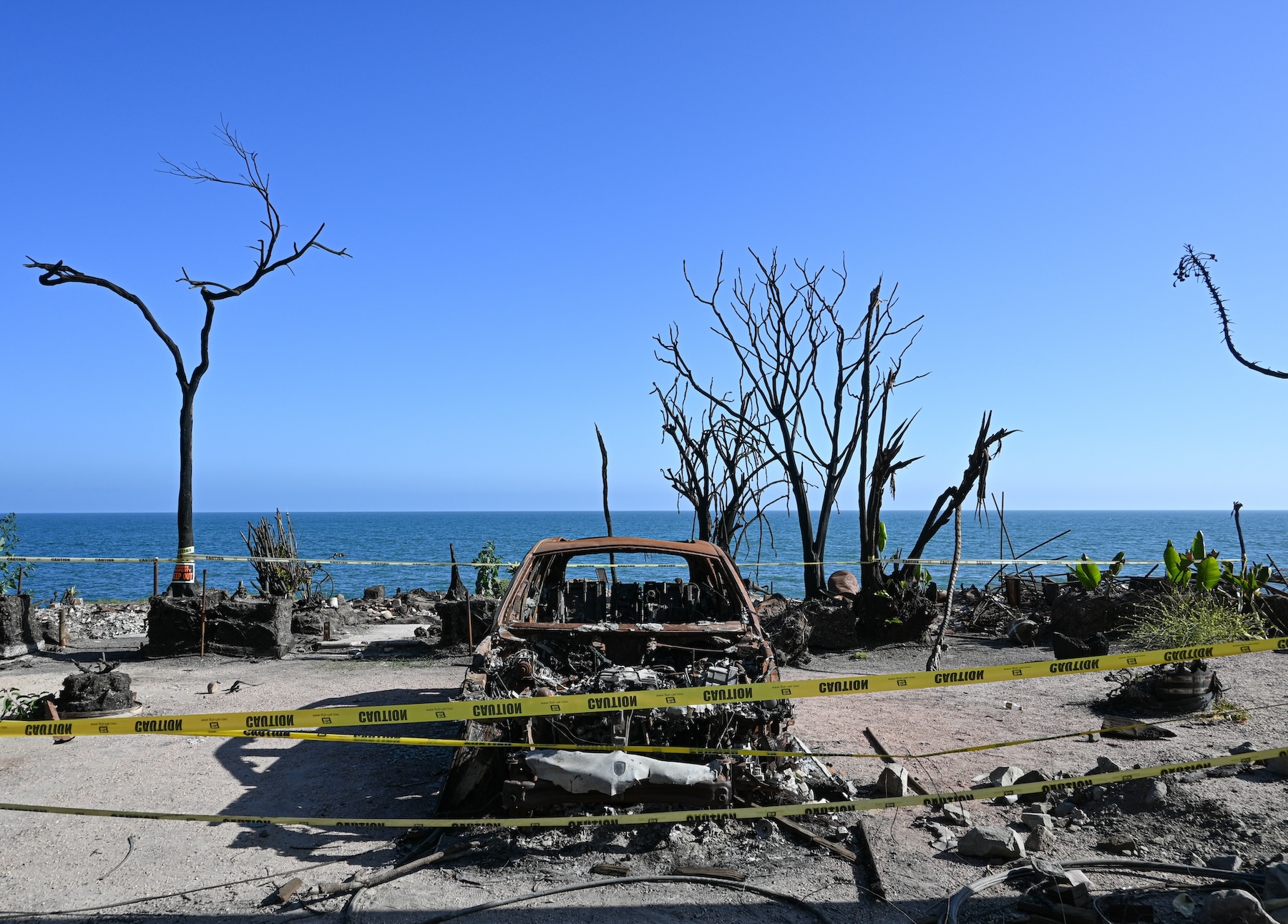
A mutilated car remains on a restricted private property along the Pacific Coast Highway in Malibu. (Avidha Raha/USC Annenberg Media)
2 / 6
Six months since the Palisades Fires, residual debris still washes into the Pacific Ocean. (Avidha Raha/USC Annenberg Media)
3 / 6
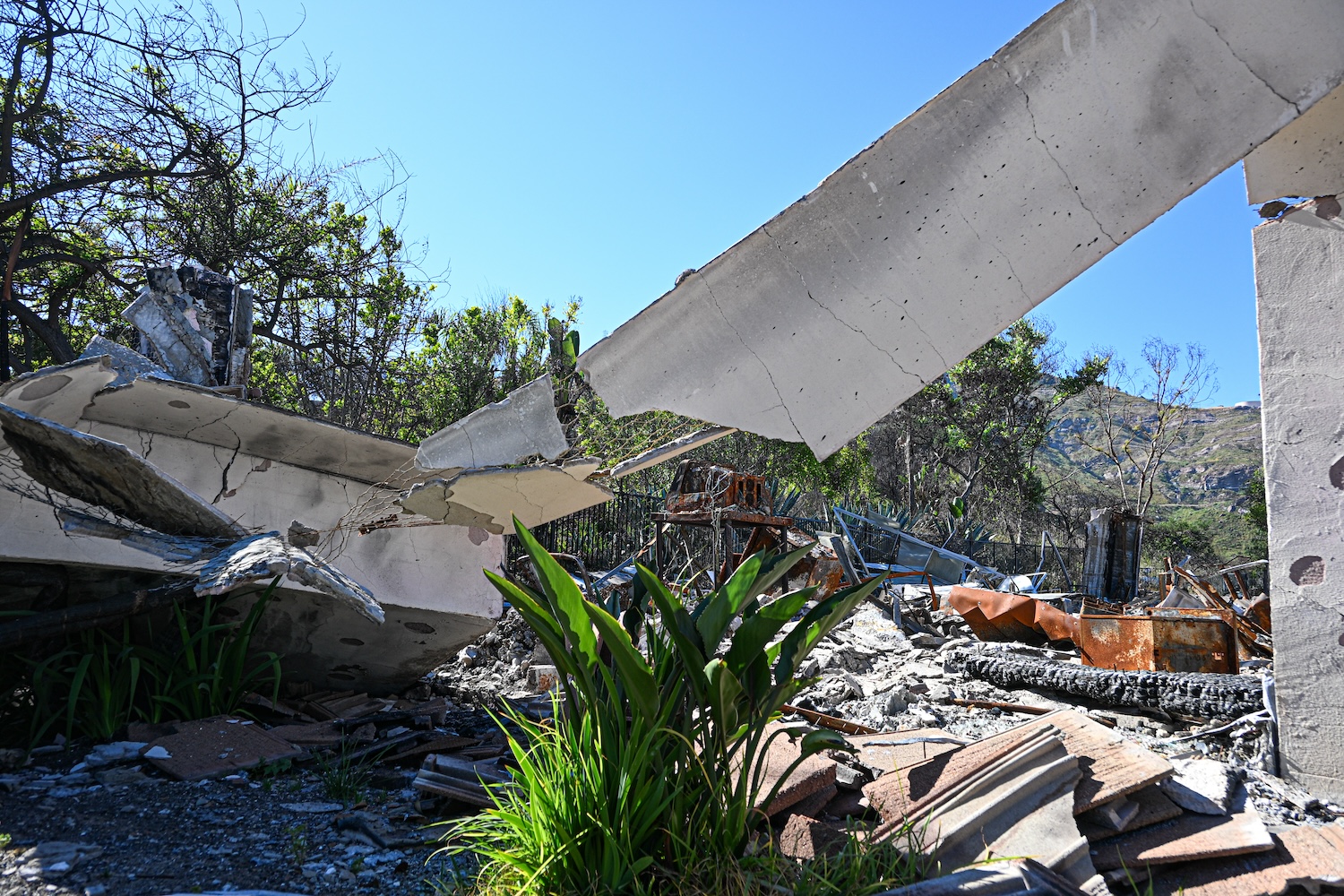
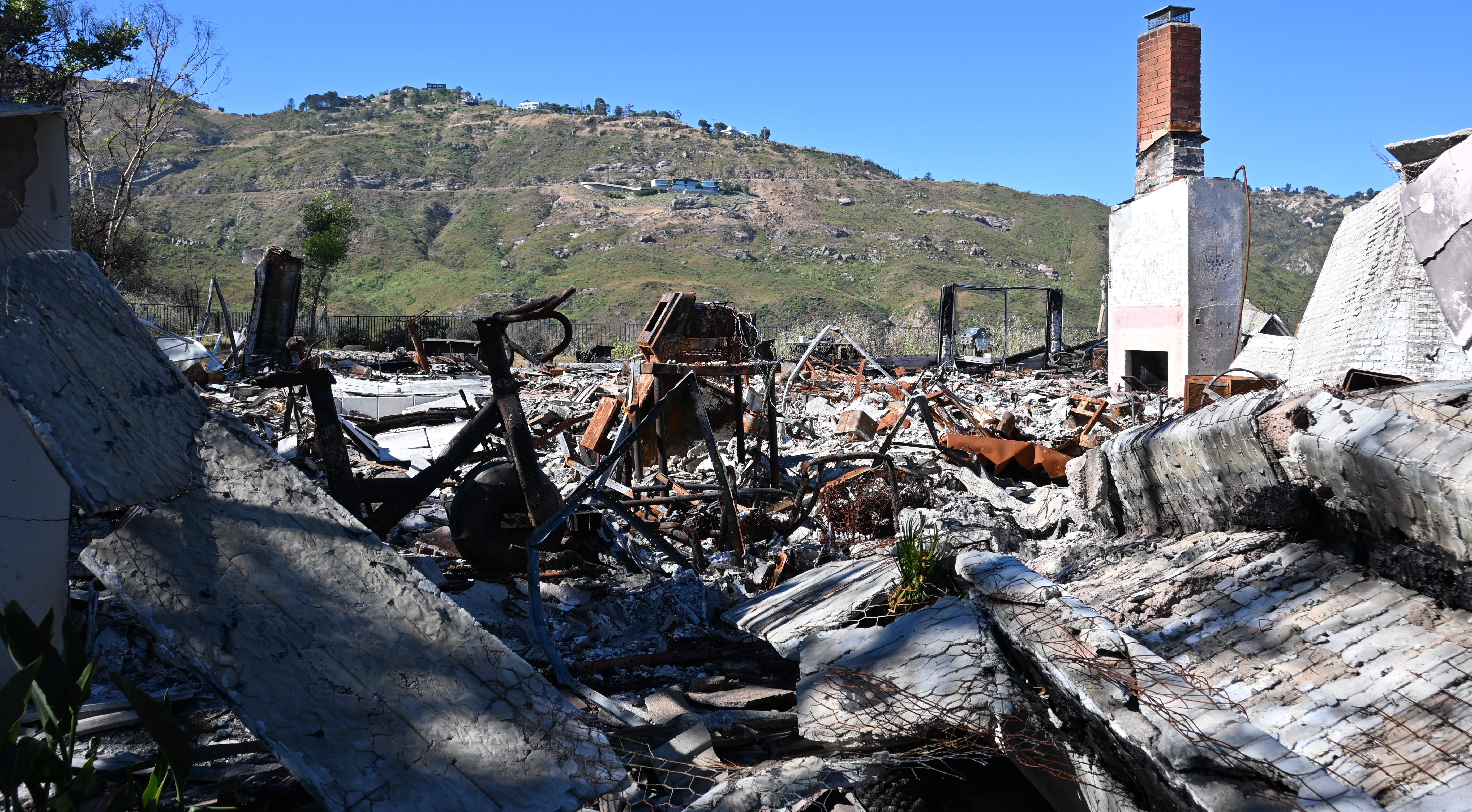
Remnants of a once luxurious home located at Moonshadow Drive, Malibu. (Avidha Raha/USC Annenberg Media)
4 / 6
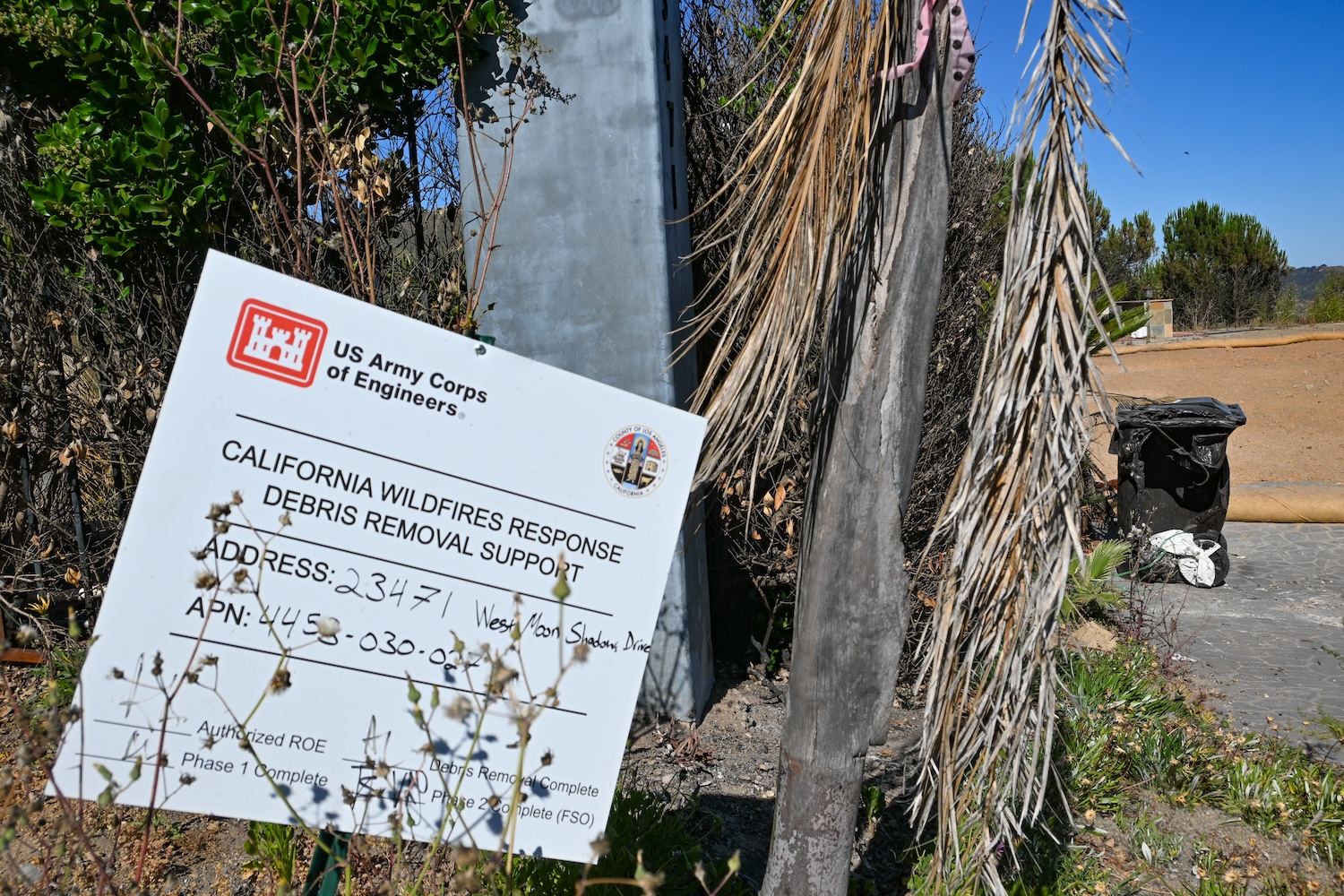
A California Wildfires Response Debris Removal Support sign, signifying that Phase-1 of debris removal has been completed. To the right, a melted trash bin still remains. (Avidha Raha/USC Annenberg Media)
5 / 6
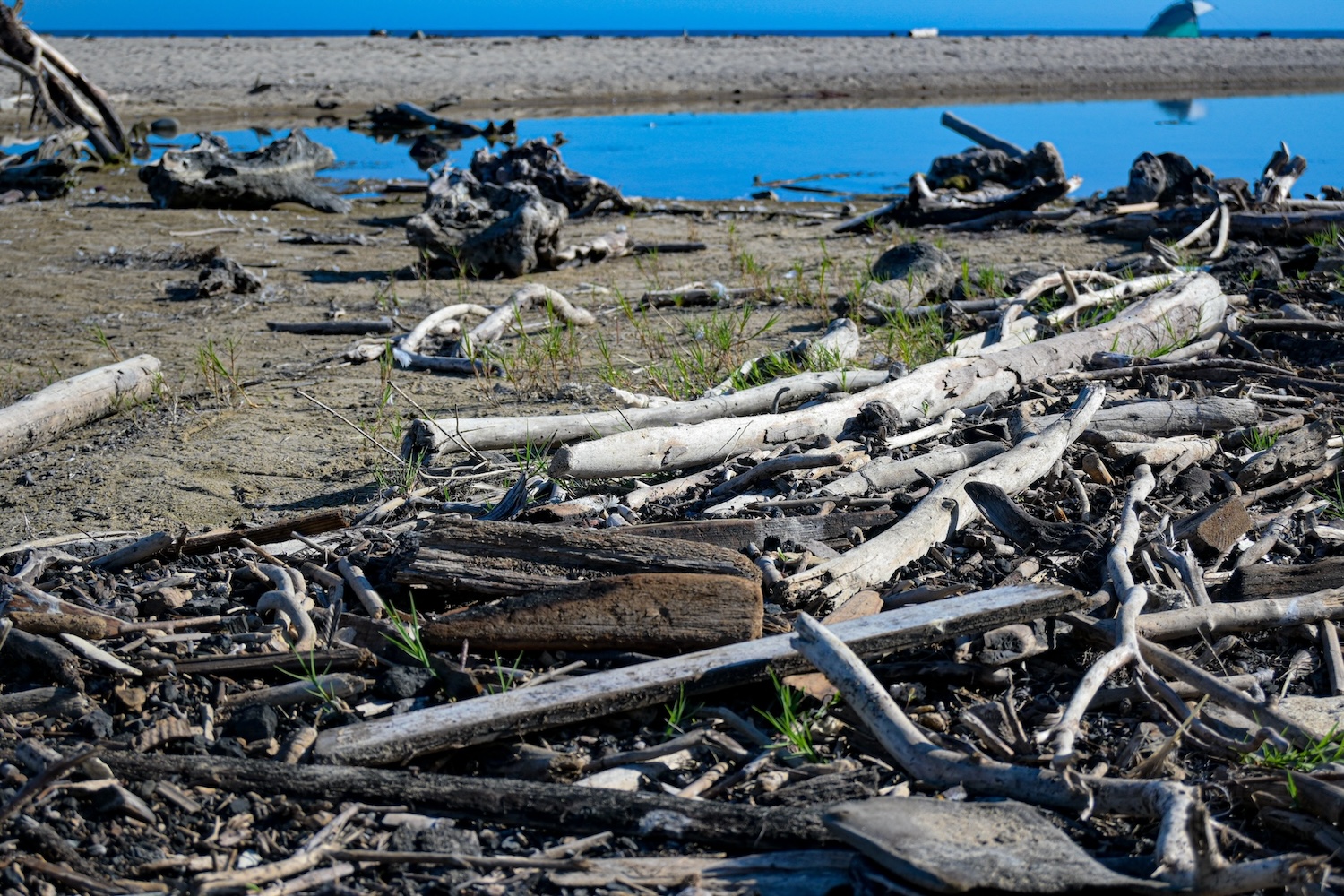
Burnt wood along with other particles remain on Topanga Beach in Malibu. (Avidha Raha/USC Annenberg Media)
6 / 6
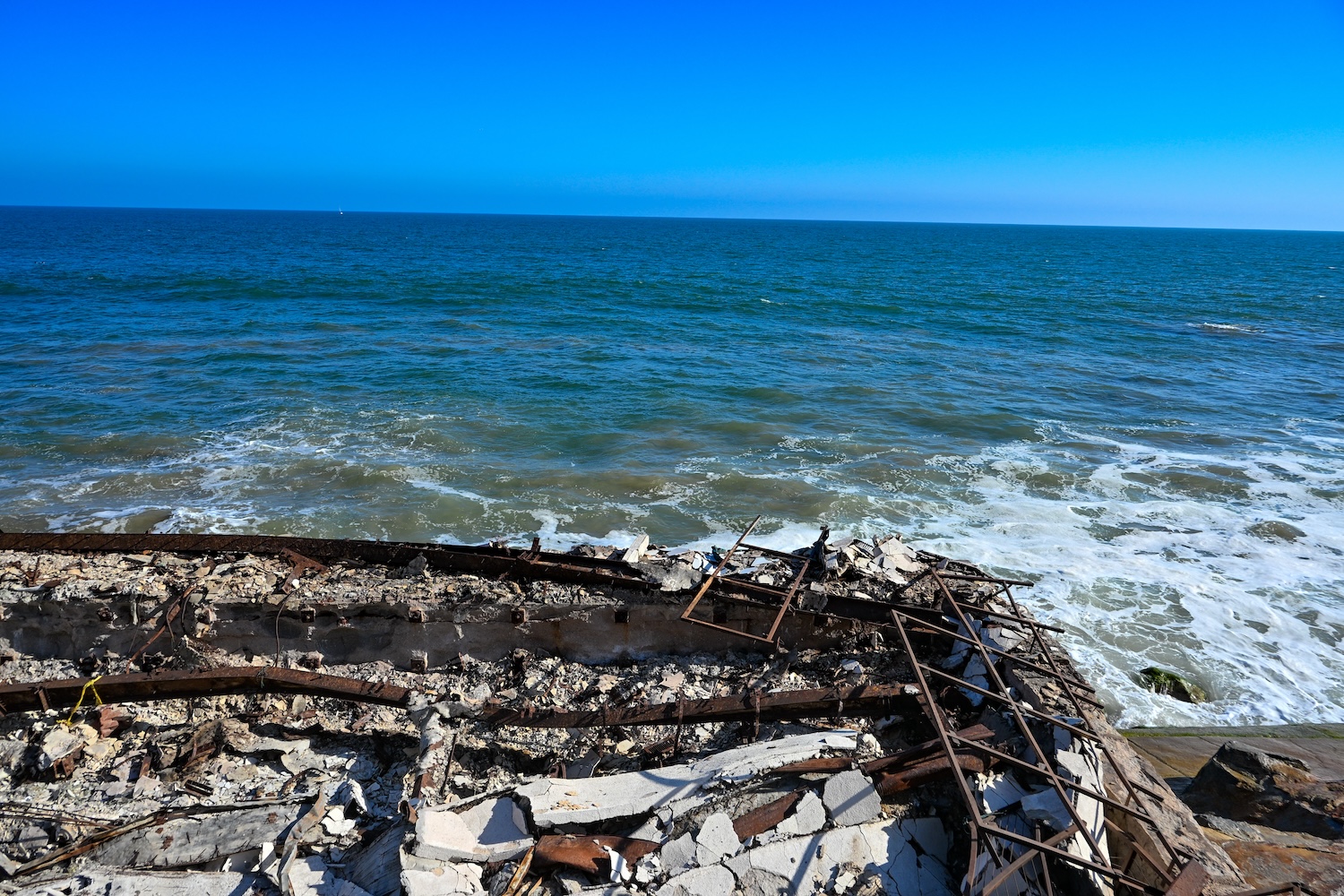
A Malibu beachfront property, now totally in ruins. (Avidha Raha/USC Annenberg Media)
Ashley Oelsen, a conservation scientist and Executive Director of the California Coastal Alliance, said she felt chemical pollution risks should be a higher priority and more thoroughly discussed by scientists and local government. Many current tests have lacked a pre-fire sample of the water or sand for comparison, she added.
"My baseline sample did not show chromium, copper, arsenic, mercury — all these things that the post-fire results did show," said Oelsen, who also serves as a member of the City of Santa Monica's Commission on Sustainability, Environmental Justice and the Environment.
As they did before the fires, LADPH has continued to routinely test ocean water for bacteria only, to determine if street runoff is introducing levels of bacterial contamination that may sicken swimmers, LADPH said in the email, adding that no beach closures are currently in effect.
For Day, the environmental impact was impossible to ignore.
"If you looked at Topanga Beach at the time, that creek and Will Rogers were among the most polluted outflows in the Santa Monica Bay after the fire," she said. "And there wasn't even a sign warning kids not to wade in it."
Day said she could not understand why environmental protections were not more urgent, she said, as some oceanside debris remained visible even in the last few weeks, still accessible to high tides months after the fires.
"It felt sometimes like Topanga was the forgotten stepchild," Day said. "The fire debris was still present, and it made no sense to me."
VIDEO: Surfers spoke about their different experiences navigating life and their surfing in Malibu after the Palisades Fire. (Carl Massad/USC Annenberg Media)
Most of the debris still being collected on the beaches is wildfire waste that is washing ashore after having been swept into the ocean by the original fire or later, by high tides or rainfalls, Mooradian said.
Oelsen said one of the biggest concerns is the continued uncertainty surrounding safety benchmarks, especially in the wake of such a large-scale disaster.
"It's not a yes or no question, in a lot of ways," Oelsen said. "You now hear people referring to 'safe levels.' Those 'safe levels' didn't exist before in the moment, real time, kind of creating them."
Day felt forced to take her own precautions and avoided stepping on Topanga Beach until the end of July. Upon finally revisiting the area, she still avoided the water.
Surfers in the burn zone have felt ripples as their close-knit community became anxious and scattered, their mutual gathering places both on the beach and the shore now at risk.
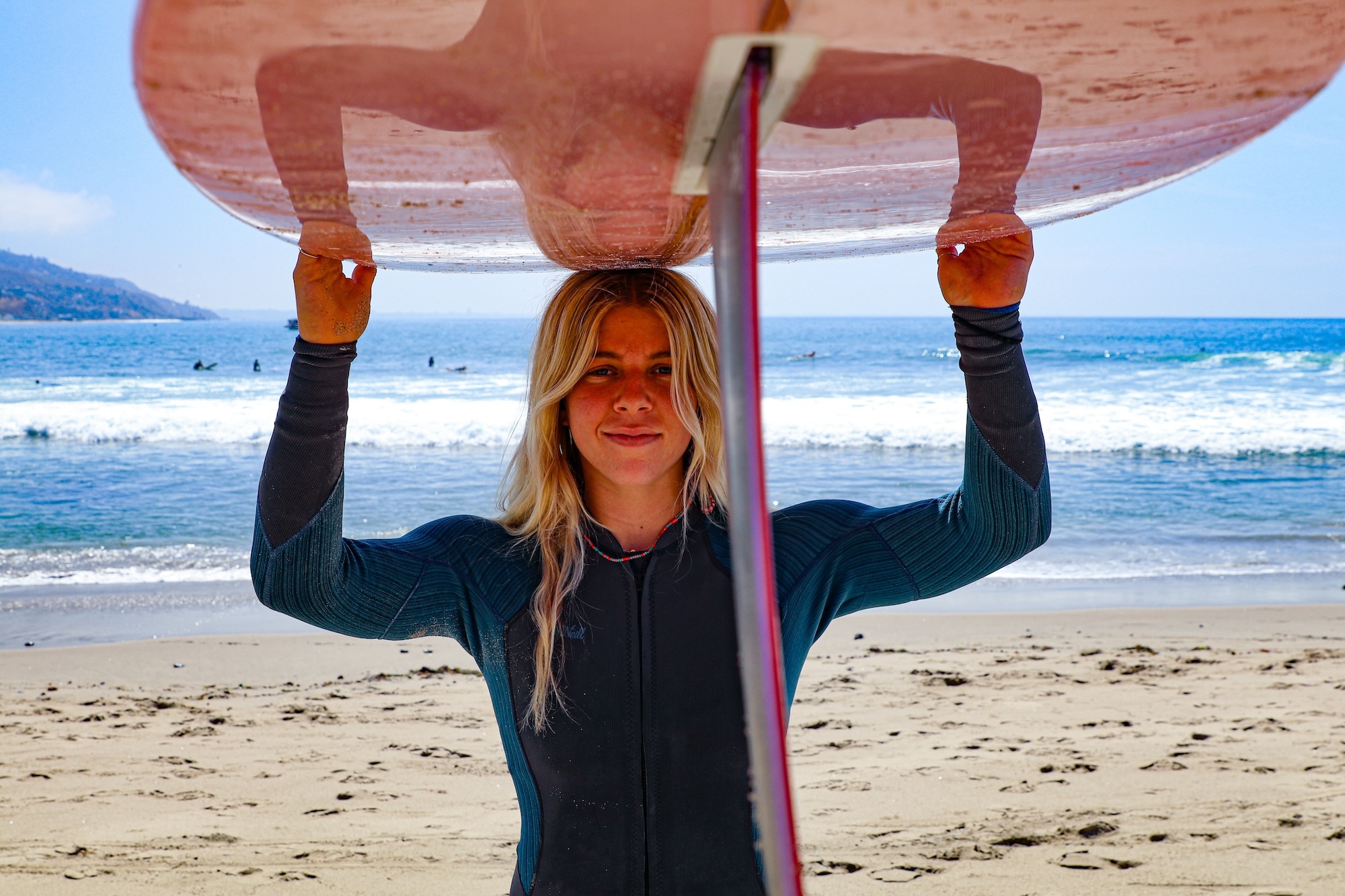
Raised her whole life in Malibu, Chloe Sobel was 17 years old when the fire came for her neighborhood. She said she had been surfing since the age of five and said the sport brought her a sense of tranquility.
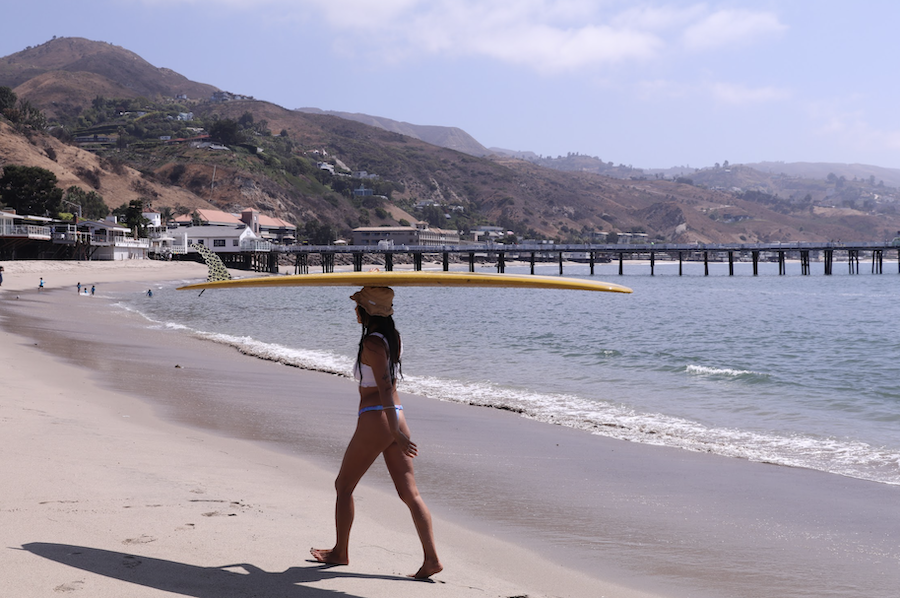
Chloe Sobel with her surfboard at Malibu Surfrider Beach at the end of July. (Rosaura Wardsworth/USC Annenberg Media)
"With surfing, you know there's going to be another wave," she said. "…So even if you fail and you wipe out, you know that you're going to have another chance."
The Palisades Fire shattered that sense of calm, she said.
"Everything burned down," Sobel said. "Out of everybody in my life, like seventy-five percent of their houses burned down."
At a time of intense loss, Sobel said Malibu's surf community pulled together. Surf shops donated gear. Strangers offered boards, wetsuits, and rides to the beach. Businesses that survived gave everything they could to those affected.
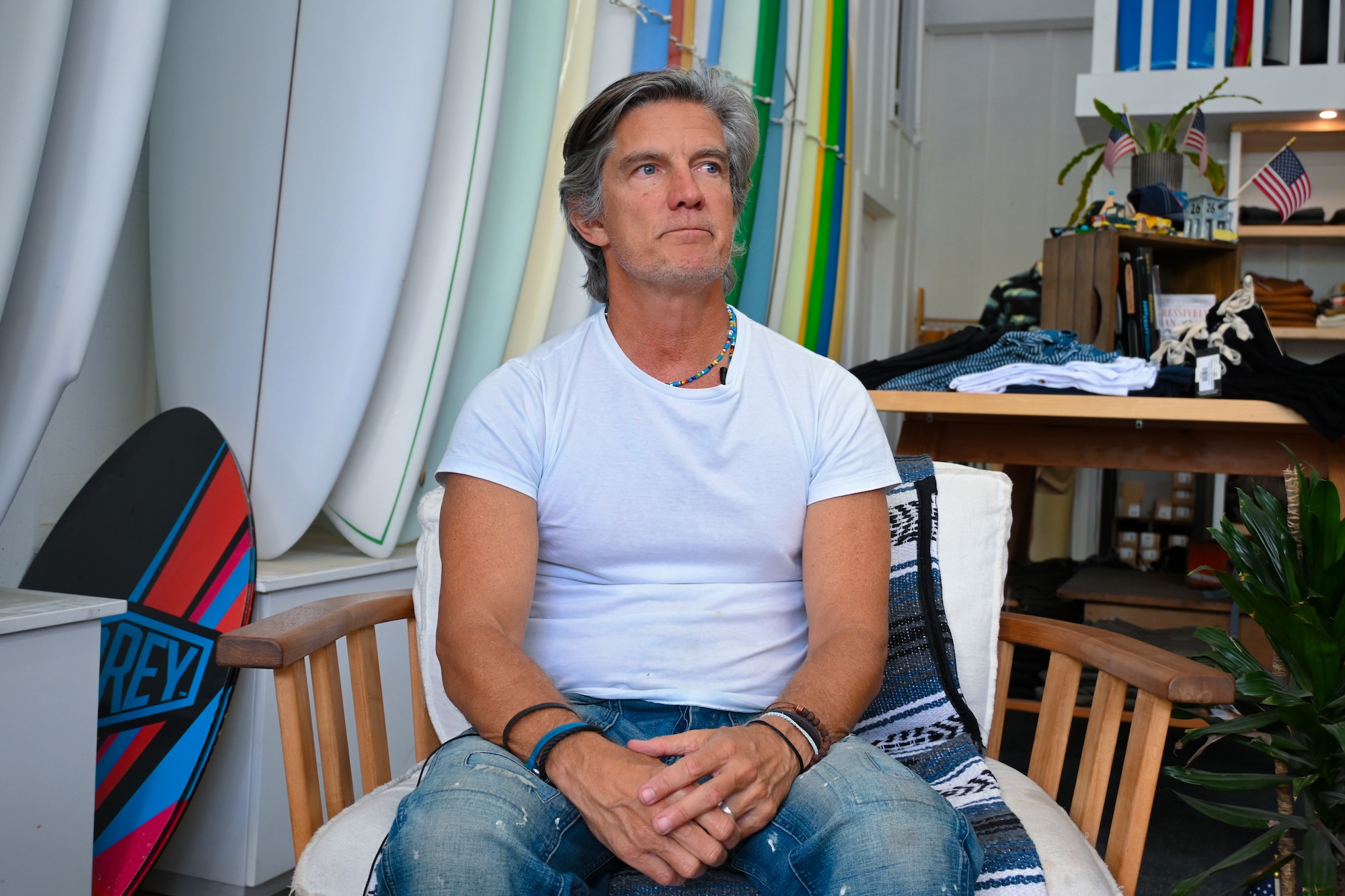
Sea N Soul surf shop owner John Kozlowski was one of them. A longtime Malibu resident, Kozlowski lived in the community with his wife and two young sons. When the fires hit, they brought not just flames, but fear, instability, and deep uncertainty, he said.
Sea N Soul surf shop owner John Kozlowski in July. (Avidha Raha/USC Annenberg Media)
Kozlowski described the aftermath as a time of layered crises. With the power shut off for two weeks, it became difficult to keep his small business afloat. But even as Malibu struggled, Sea N Soul became a source of hope. Kozlowski and his team gave away nearly their entire inventory.
Word spread about what Sea N Soul had done, and locals came in to buy something — anything — to help, he said. That generosity, Kozlowski said, ultimately kept the shop alive.
Still, the business remained under pressure. After months of uncertainty, Kozlowski and his family made the difficult decision to rent their home, he said.
His wife and sons moved to Florida, while Kozlowski began splitting his time between there and Malibu to manage the store.
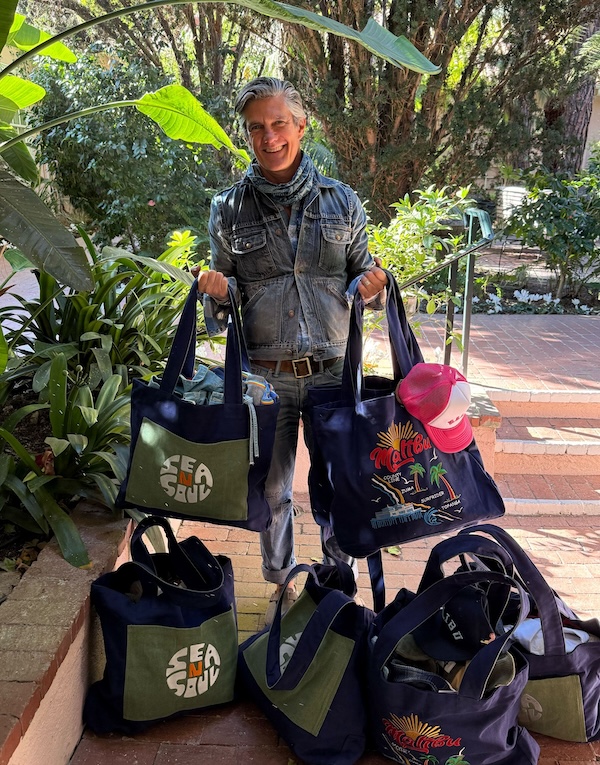
John Kozlowski delivering donations from his surf shop to a family affected by the Palisades Fire.
(Photo courtesy of Kate Sumner)
Yet, even as Sea N Soul stayed open, the odds were stacked against it. The Pacific Coast Highway remained closed for months, cutting Malibu off from visitors.
"No one was really thinking about surfing," Kozlowski said. "There was a few people, myself and the staff, we were here, getting in the water and surfing up here (in west Malibu) just for our own, sort of, sanity."
For Kozlowski, the ocean offered more than business. Surfing gave him peace.
"Sometimes I refer to it as church," he said. "I could be out there for two hours and wouldn't think about anything except where's the next wave coming."
For a few hours, he could forget the bills, the losses and the uncertainty.
But the waves themselves were still recovering.
Surfers at Malibu Beach spoke about the peace they feel out on the water.
Mooradian said Topanga and Will Rogers beaches held the highest concentrations of wildfire debris after the Palisades Fire. DBH has still found debris washing up as recently as the last few weeks, she added.
"For a long time, I wouldn't recommend anyone getting in the water and surfing in eastern Malibu. I just wouldn't," Kozlowski said.
"I almost pulled over the car and said please, please get out of the water."
— John Kozlowski
He recalled driving past Topanga days after the fire and seeing dozens of people in the water.
"I almost pulled over the car and said please, please get out of the water," he said.
At his shop, smoke still lingered.
Mia Franks, a doctoral student at the University of Southern California working in the university's Proteocean Lab, which focuses on studying the ocean’s microbiome, said her own water sampling yielded results she didn't expect — though some heavy metals were detected, levels were still relatively low. Still, surfers may face unique exposure risks that are still unknown, especially because of their large amounts of time in the water, she said.
Day has continued to push for more extensive water testing, clearer public safety measures, and more proactive environmental oversight. Oelsen said she was now working with Day and others to launch a health study that would track surfers' blood for metals and other contaminants over time.
"I'm not okay with pretending and going along that everything's fine," Day said. "I'm in my 50s. Whatever weird cancer clusters might appear in my community, I'll be old already, but the children and the younger folks… they're going to be the most harmed if something like this comes about."
Avidha Raha/USC Annenberg Media
Avidha Raha/USC Annenberg Media
In Malibu, the dream still lingers. It can be felt along the shoreline, in local shops, and on the winding canyon roads. Still, it faces a never-ending battle against its fire-prone location. Wildfires have been a known risk for years — according to Cal Fire, as recently as 2018, the Woolsey Fire burned 90,000 acres in the area, wreaking havoc in Malibu's western half and forcing residents to rebuild. Yet, the Palisades Fire destroyed more than four times the amount of structures lost to the Woolsey Fire, leveling enormous losses on the community's historic infrastructure.
But for many, the Palisades Fire did more than destroy buildings; it shook their sense of faith in Malibu's attractiveness and opportunity. The Palisades Fire served as a grim reminder of how quickly life in Malibu could change, and the hazards that continue to threaten its future. Its large scale of destruction, widespread road closures, and disruption to daily life from school to work left residents uneasy and wondering: Could this still be home?
Malibu’s Essence: Why Living Here Is a Surfer’s Dream Come True
1 / 6
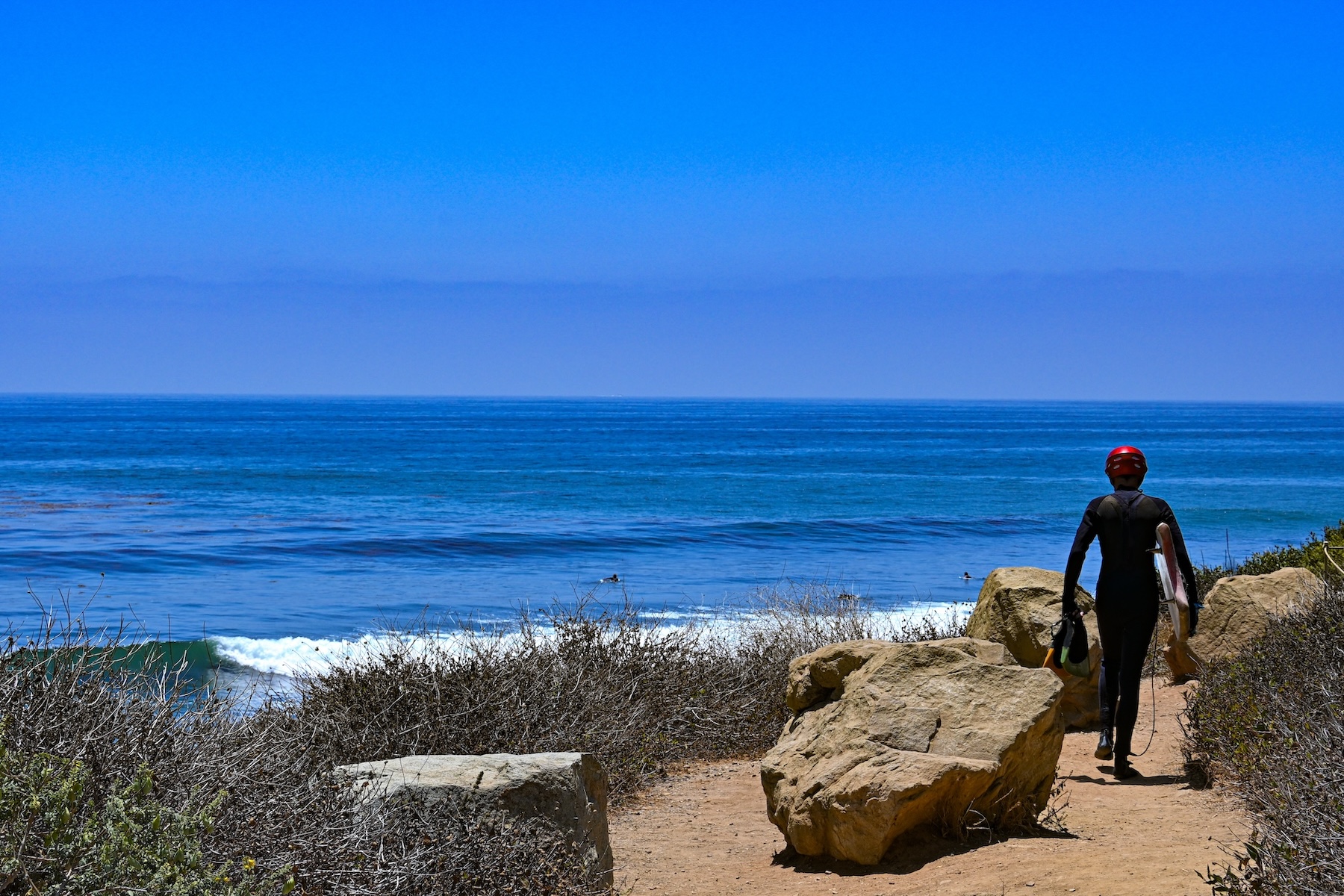
A fully-equipped surfer walking down from a cliff into the ocean. (Avidha Raha/USC Annenberg Media)
2 / 6
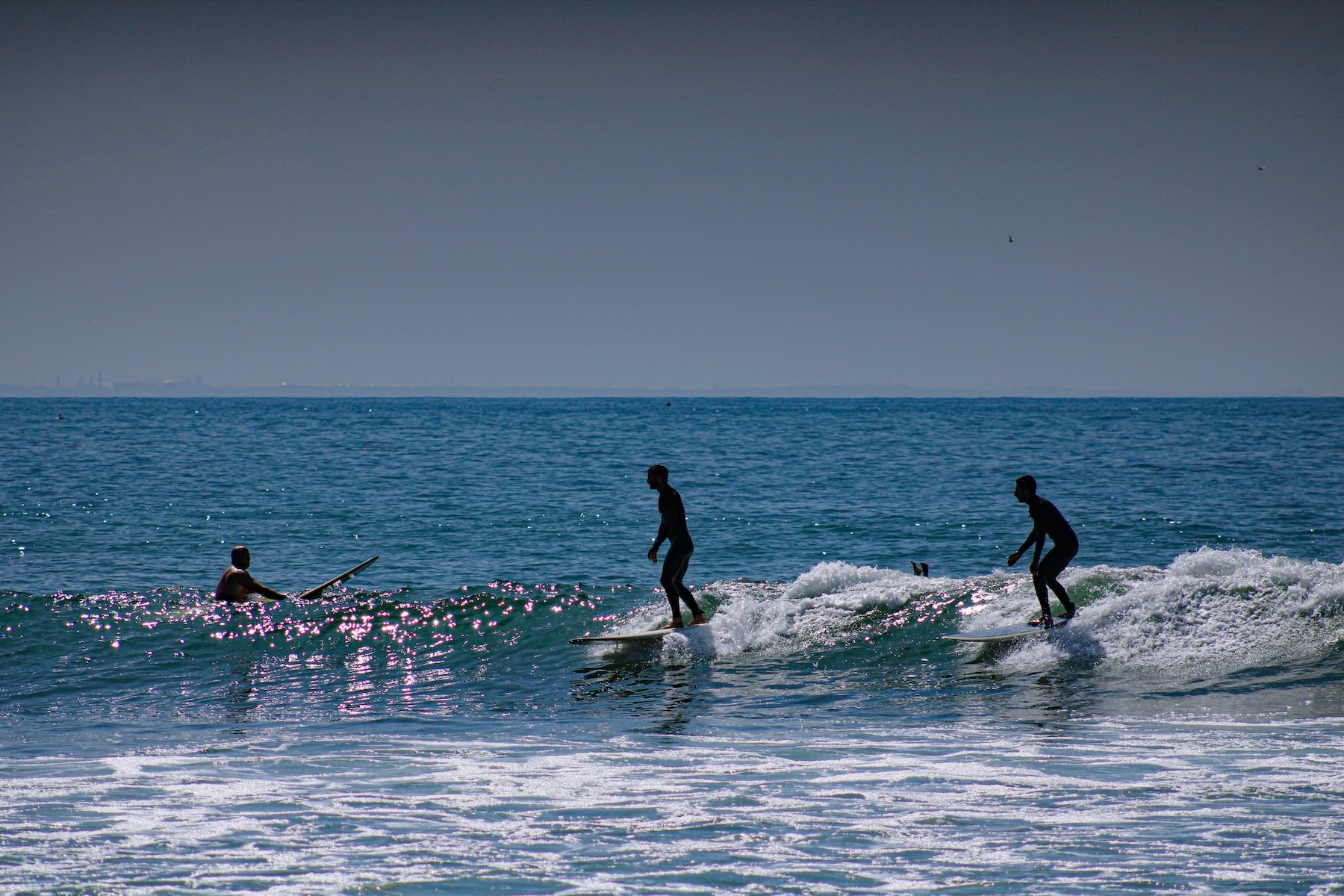
Silhouettes of local surfers riding a wave. (Constanza Montemayor/USC Annenberg Media)
3 / 6
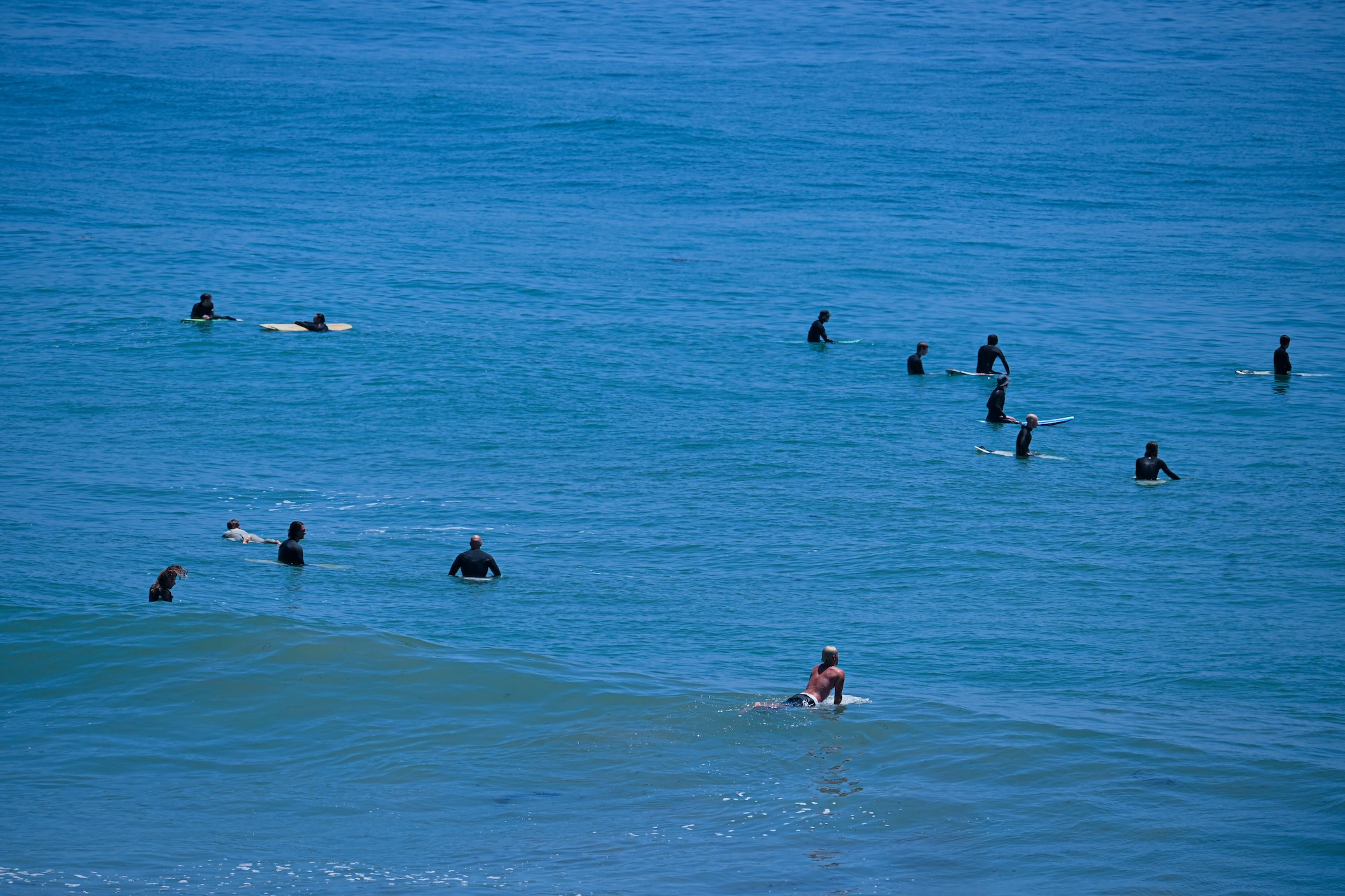
The vibrant Malibu surfer community enjoys a day at County Line Beach in July. (Avidha Raha/USC Annenberg Media)
4 / 6
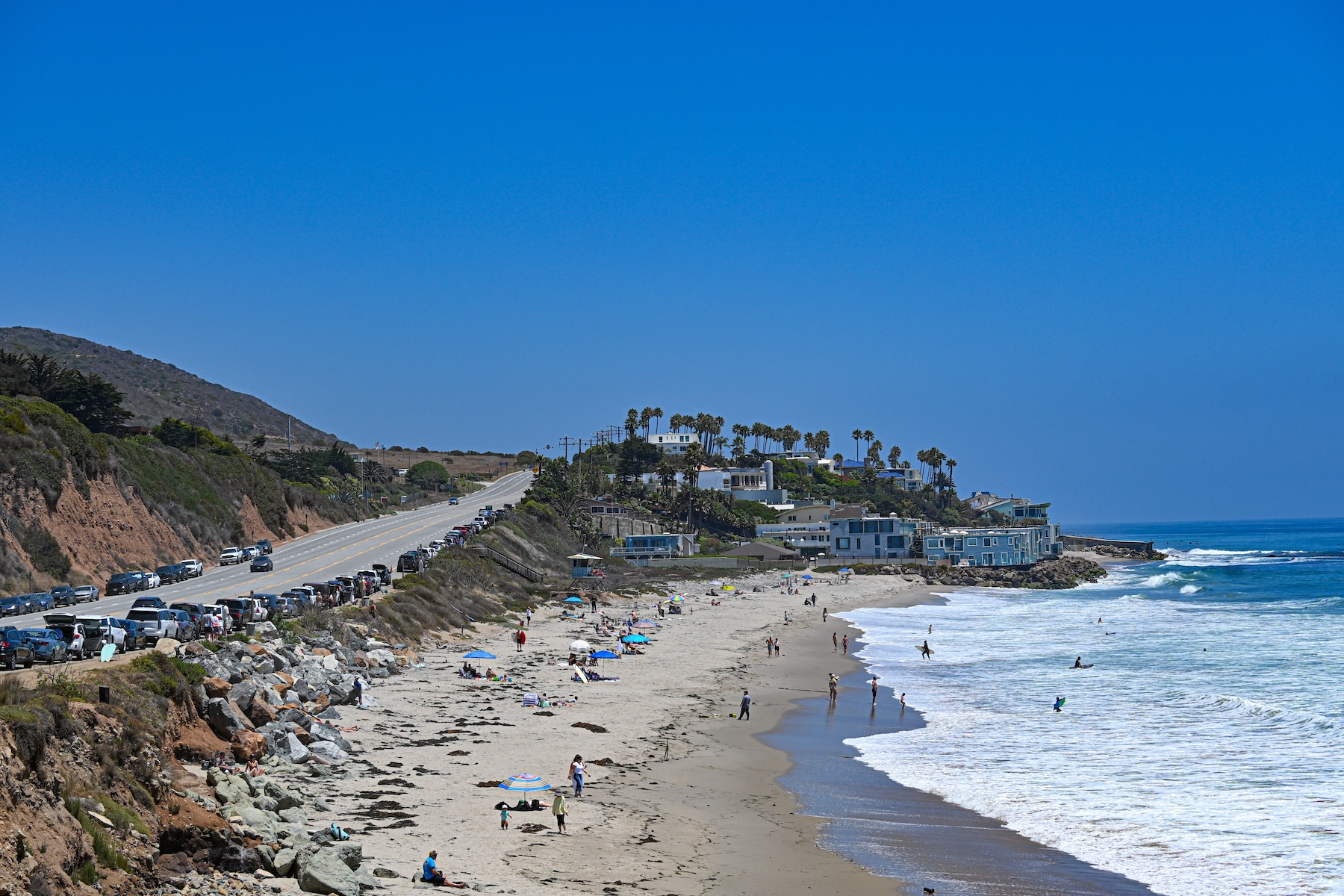
The scenic Malibu beach, packed with visitors on a weekend afternoon. (Avidha Raha/USC Annenberg Media)
5 / 6
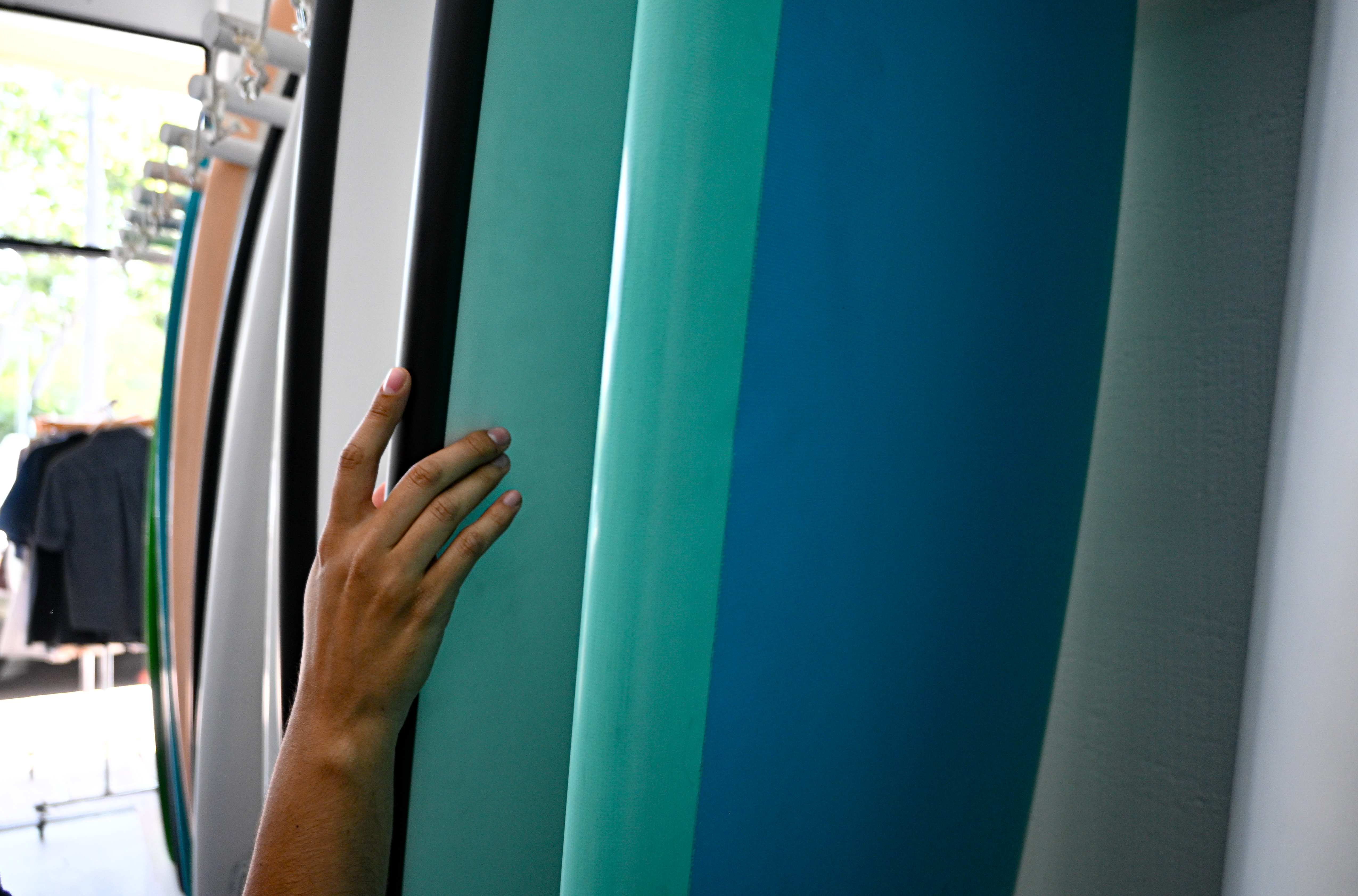
A variety of surfboards at Sea N Soul, a western Malibu surf shop. (Avidha Raha/USC Annenberg Media)
6 / 6
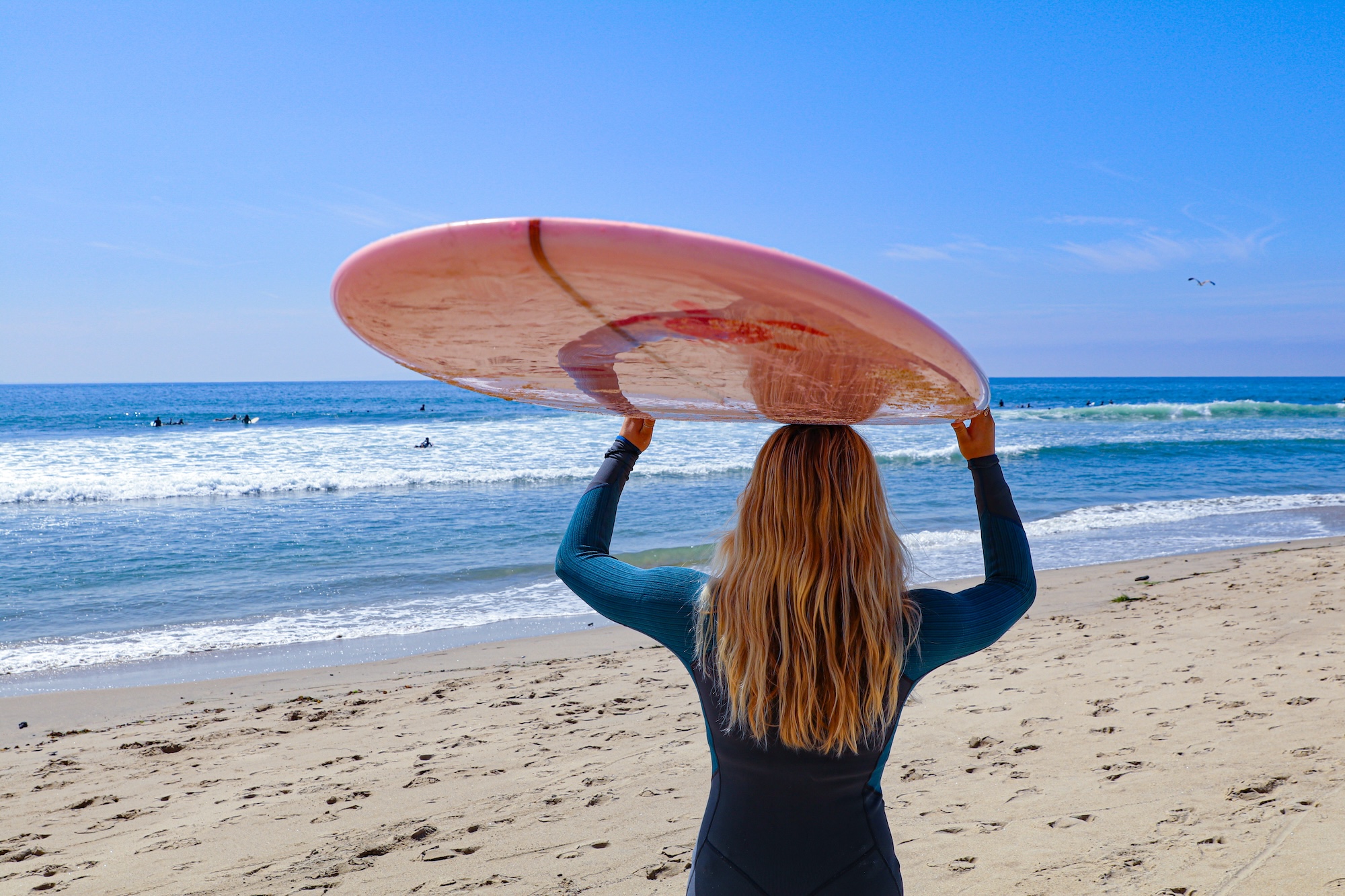
Malibu resident and surfer Chloe Sobel on her way to enjoy the waves. (Rosaura Wardsworth/USC Annenberg Media)
For Kozlowski, the surf shop owner, that question was layered. Challenges remain to keep his business afloat and stay a resident in the neighborhood. Still, Kozlowski believes in its magic: "I just want people to come back to Malibu and experience the most beautiful beaches in our country," he said. "Everyone just wants everything to get back to normal."
Born and raised in Malibu, Sobel felt the unique coastal community had left a permanent mark. Set to leave for college in New York City after next year, she hoped to find her way back in the future, despite the uncertainties left in the fire's aftermath: "I hope one day I can settle down here," she said.
Recent beachgoers shared their favorite songs for spending the day under the sun.
Day said she wanted to continue her efforts to help protect the coast and ensure public safety, so her family and community could have a safe future, enjoying their home and beloved surfing sport.
But, she said she stayed in the area because she felt it was home. Topanga Beach was where she got married, and where her kids learned to crawl, Day said.
She did not plan to leave.
"There is devastation, and life goes on."
— Carolyn Day
"When I look out the patio, everything looks perfect, and then when I walk out of the house, any corner I turn, it's complete devastation," Day said. "So it's juggling both realities at the same time that there is devastation, and life goes on."
For now, life continues in the in-between. Some have left. Some have stayed. Some are trying to make their way back. And maybe that's the California dream in Malibu — not just imagining the perfect life, but deciding again and again to build it, even after the worst has come to pass.
Listen to a compilation of some surfers' favorite songs for the beach.